Eastern Concerns

How much amoxil to give cat http://ctmpc.blogspot.com/
June 29, 2007

TERRITORIAL CLAIMS, CONQUESTS AND DISPOSSESION IN
THE ‘NEW EAST’: THE GROWING CONCERNS OF THE
MUSLIMS OF AMPARA

The new flag for the Eastern Province, introduced
by the government, displays three animals: a lion
symbolizing the Ampara district, an eagle for
Trincomalee and a fish for Batticaloa. Batticaloa
has long called itself the land of the “singing”
fish, but why an eagle was chosen for Trincomalee
is unclear. The use of the Sinhala lion to
represent the Muslim dominated Ampara district is
terrifying: erasing the Muslim presence in the
east, it is a potent symbol of the reality on the
ground- the Muslims do not count in the larger
context of our ethnic conflict.

The east is the testing ground for the success of
any resolution to the conflict. All of our
communities need to feel a sense of well being
and belonging for peace and stability to prevail.
But recent actions of the government and forces
aligned to it are increasing the sense of
insecurity felt by different communities. The use
of the lion for Ampara district suggests that
this is a continuation of the post-independence
Sinhalisation of the Eastern Province that has
found new and brutal fervour under the
administration of President Mahinda Rajapakse.

We speak here with alarm and with concern of
specific acts by state agencies that continue the
dispossession of the Muslim people through land
acquisition and demarcation by the state. The
Muslims of the Pottuvil region, who are already
in a insecure position have in recent times felt
the brunt of the heavy hand of state sponsored
programmes. These programmes have created anxiety
and fear in the community. The Pottuvil region is
multi cultural and multi ethnic, with an ethnic
break down of 78.11% Muslims, 19.79% Tamils and
2.11% Sinhala. Traditionally, the different
communities had co-existed peacefully with 90% of
the population engaged in agriculture and the
rest 10% in other forms of employment.

We give here four incidents or acts that have a
direct bearing on the welfare of the people of
the region:

1. The gazette notice dated 1454/26 of July 2006,
declares that 1531 hectares of land of the
Lahugala district secretariat of the Ampara
District will be declared a National Park, which
will be referred to, hereafter as the
“Lahugala-Kithulana National Park”. Since the
borders of the Pottuvil and Lahugala Divisions
are still under dispute (ref. Alfred Silva
commission) Pottuvil Muslims feel that through
this move the government is trying to take over
land along the Lahugala Pottuvil main road that
the Muslims have had access to and had been the
means of livelihood for most of the people there.

2. On the 25 of the September, 2006, a letter
signed by the Chair of the Lahugala Pradeshiya
Sabha, to the Ministry of Public Administration,
with copies to the President and the Minister of
Labour Mr. Merwyn Silva, requested the annexation
of the three gramasevaka divisions, Sarvodaya
puram, Sinna Ulle, and Pasarichennai, (Periya
Ulle) with the Lahugala Division, citing
discriminatory practices of the officers against
minority Sinhala and Tamil villagers. The ethnic
break down for these three gramasevaka divisions
shows an overwhelming Muslim majority: (91.5%
Muslim, 4.7% Sinhala, 3.8% Tamil). So the motive
for moving a Muslim majority area into a larger
Sinhala unit in this instance is easily apparent.

3. In December 2005, official inquiries were made
about identifying all the places of Buddhist
worship and Dagabas in the Ampara district. A
letter dated and signed by the G.A. of Ampara
addressing the Pradeshiya Lekam makes this
request. In Pottuvil alone they have indicated 07
places as sites of Buddhist heritage
(Sangamankanthai, Kirimetiaaru, Pottuvil town,
Muhuthumahaviharai, Eatham, Thaharampolla,
Rottaiviharai).

4. It has also been brought to our notice that a
thousand acres surrounding the Shasthiravelli STF
camp in the Pottuvil region was previously under
consideration as a High Security Zone, which had
led to annexation of land that has traditionally
been used by the people of the region. Now it has
been declared as Shasthiravelli Temple land.
There was a protest by the people of Pottuvil
demanding access to this area in April 2007.

It is unclear whether all these four concurrent
developments have progressed any further. For
instance it is not clear if the request for the
three gramasevaka divisions, Sarvodaya puram,
Sinna Ulle, and Pasarichennai, (Periya Ulle) to
be annexed to the Lahugala Division will go
forward. The Divisional Secretary of the Pottuvil
District in a letter to the G.A. Ampara gave a
detailed response, denying all charges of
discrimination. He further noted that fishermen
who came from other parts of the country indulged
in unlawful occupation of state land and
transgressed existing rules governing the buffer
zone of the coastal areas and had been demanding
permits for their illegal activities which were
not acceded to by his office. As far as we know
the matter has not progressed beyond this point
but there are clear signs that there is growing
pressure to push this issue further.

These acts of acquisition or potential
annexation, taken in isolation, might seem purely
bureaucratic or in the interests of military
security. The policies can in fact be justified
as being driven by important principles such as
the conservation of nature, the right to equality
for all ethnic communities and fair governance,
the preservation of Sri Lanka’s ancient history
and national security. While these principles
should be recognized and not dismissed, it is
important to recognize the context in which these
policies are being implemented and the agenda of
those pushing these policies. If one approaches
it from the perspective of history, the history
of the minority communities, these acts emerge as
part of a history where state-aided programmes
have brought about demographic changes in the
east. In this instance, these acts appear to be
aimed at dispossessing the Muslim majority
population of their land.

Pottuvil is politically an isolated division but
it has featured prominently in the demographic
and administrative battle for the East. Situated
on the edge of Ampara district with a majority
Muslim population, it has been used as the entry
point for Sinhalisation of the east. Muslims
politicians often neglect this division, leaving
it to the consideration of one or the other of
the two ruling parties (UNP or SLFP). It is
sandwiched between two Sinhala areas, Panama and
Lahugala. Lahugala and Panama are two
non-contiguous areas brought together as one DS
division-Lahugala DS. When the Ampara district
was created, a large Sinhala population was added
on giving the district one of the oddest looking
boundaries – a coastal belt linked to a truncated
inland area, making crystal clear the ethnic
agenda of the central government to avoid the
emergence of a clearly Muslim-majority district.
Like in other areas of the East and the North
where new Sinhala names have proclaimed the
expansion of the Sinhala colonization programme,
Ampara too has undergone symbolic and demographic
changes owing to state aided colonization
programmes.

Ampara remains the play thing of ambitious
politicians. The M.P for Ampara, who was formerly
the Deputy Minister in charge of Mahaweli
Development is back in power as Minister for
Planning and Implementation and is in an
influential position to steer the course of
events in this unfolding story of annexation. He
has, in fact, written a letter to the District
Secretary of Pottuvil on 20th April, 2007,
requesting/demanding that the thousand acres
surrounding the Shasthiravelli STF camp be
allocated to the Shasthiravelli temple.

The developments cited above follow other recent
changes in land demarcation. In December 2005,
the boundaries of the Pottuvil region were
redrawn (which are still in dispute), where some
of the land belonging to people from Pottuvil was
brought under Panama Pattu, causing great
difficulties to them, where language and
transport were concerned. Furthermore, and more
importantly, grazing land that was traditionally
used by the Pottuvil people was brought under
Panama Pattu, leading to loss of access to this
land and the subsequent decline in the 40,
000-cattle-strong livestock economy of the
district. The redrawing of the boundaries of the
Pottuvil region discriminates in many ways
against the Muslim majority population The people
of Pottuvil had already been dispossessed, by the
enactment of the buffer zone in the region
following the tsunami. The redrawing of the
boundaries exacerbates the situation of shortage
of land for the people in the region. . They were
not consulted in any of the actions; they had no
say in what affected them most. The annexation of
land by the state, land that has been
traditionally used by the people of the region,
as grazing land and for seasonal cultivation
spells great loss to the economy and the welfare
of the people. Steps need to be taken to protect
forest cover and to ensure that the land is used
in a sustainable manner; but this should be done
by taking into account the needs and rights of
the local people. Arugam Bay in the Pottuvil
region, is one of the biggest tourist
attractions, not only of the east, but of the
entire country and is a piece of prize real
estate coveted by politicians and big business
alike. In the wake of the tsunami and its
destruction, the state instituted land-protection
programmes including a buffer zone, which were
perceived as serving the interests of big
business from outside at the expense of those of
the people of the area.

The acts of annexation are accompanied by other
symbolic representations of appropriation,
symbolic of conquest and hegemony. Buddhism in
Sri Lanka, which in its fundamentals is a
religion of peace and tolerance, is an integral
part of state hegemony and is often experienced
by minority communities as state aggression.
Conquest of land is symbolized by what is
perceived as Sinhala Budhisisation. In this
respect, the erection of the statue of the Buddha
among minority dominant areas has always spelt
trouble, exacerbating ethnic tensions and in some
instances, leading to outright confrontation.

Much of the time, the erection of a statue is not
done by local Buddhists but by groups or agencies
associated with the state. For instance, Ulle, a
majority Muslim area in the Pottuvil region and a
tourist hot spot, has been at the heart of the
controversy of seemingly competing interests from
the time of the tsunami. Two days after the
tsunami in the midst of the disruption, dire
loss, and anguish felt by the people all around,
a statue of the Buddha on a podium was erected
under cover of night, leading to acrimony and
unnecessary conflict. In this climate, we cannot
but be alarmed at the Buddhisisation,
topographically, on the part of the state and see
it as a sign of a Sinhala-Buddhist domination.

There are other disturbing accounts accompanying
our narration. On March 21 2007 Order trimoxazole , the JHU and the
breakaway LTTE group TMVP, led by Karuna
discussed issues collaboration regarding the
protection of the cultural heritage of the
eastern province. At the meeting, the JHU also
raised issues of conservation in the East. This
meeting was a part of a wider JHU strategy to
take to another level the protection of Buddhist
cultural and religious sites and to champion
environmental issues. The JHU politician Champaka
Ranawaka is the Minister for Environment and
Natural Resources. Thus the JHU is in a powerful
position to push forward its campaign. Reports of
the meeting contained references to “evil
elements” that were seeking to destroy cultural
monuments. In the context of the JHU’s
anti-minority rhetoric this ‘evil’ can mean only
one thing. Subsequently, we have had people of
the region report to us that members of the
Karuna faction had been threatening the people of
the area with eviction orders from the “sacred
Buddhist lands” they were “occupying.” This has
created considerable panic among the people, who
have been exposed to a number of strategies to
progressively dispossess them of their land.
Also, TMVP, like its parent organization, the
LTTE, has been attempting to establish its
dominance over the Muslim community in the east,
and is mimicking the LTTE’s policies of violence
against Muslims targeting and appropriating their
lands. Like the LTTE, whose ideology and
practices it finds impossible to break away from,
the Karuna faction too, is deeply mired in
ethnicising the conflict in the east, increasing
the sense of insecurity felt by the Muslims of
the region. The collaboration between Sinhala
Buddhist forces and TMVP itself might be short
lived, but it emerges from the ultra-nationalists
positions of extremism from both the Sinhala and
Tamil communities, who insist that Muslims are
interlopers and aliens on their homeland. Such
actions if not condemned and eradicated from
their very inception, can intensify fears of
ethnic cleansing and exacerbate ethnic
hostilities beyond repair.

The massacre of ten Muslim labourers in Radal
Kullam (Radella) on September 17 2006, has made
the Muslim community even more vulnerable in the
face of increasing threats to their security and
livelihood. Apart from the massacre itself, what
followed in its trail has sparked wide spread
controversy, in particular the manner in which
the government and forces allied to the
government covertly tried to cover up the
incident. While the local Muslim community
claimed that the STF was responsible either
directly or in complicity with local Sinhala Home
Guards, the state and its allies sought to blame
the LTTE. Those determined to blame the LTTE went
to the extent of virtually taking hostage the
sole survivor of the massacre, by diverting the
ambulance from a hospital in Kalmunai to Ampara;
by forcing the survivor to give an interview to
MP A.L.M. Athaualla and by preventing the
victim’s family from meeting him in the first few
days. The state media on the other hand reported
that the Muslims were blaming the STF because the
STF had taken an active role in curbing illegal
felling. Local Muslims, however have a different
version. They placed the cause for the massacre
on a series of conflicts over land, including one
incident that happened just a day before the
incident. This particular conflict arose over the
attempt to use an area of the burial grounds,
specifically demarcated for Muslims, to bury a
Sinhalese person and STF intervention on behalf
of the Sinhalese community. Local Muslims feel
that the massacre was a warning to the Muslim
Community; they should not vie for control of the
land.

The issue of land grabbing and dispossession in
the East is a complex and acrimonious issue, with
political actors and ethnic communities
exchanging charges that the opposing communities
are using multiple methods to secure more
territory. Forcible annexation and violence, land
sales, poverty and a host of other factors have
altered and continue to alter the ethnic
geography of the east. An additional issue is the
ethnicisation of bureaucracy and administration
with administrative divisions marking ethnic
boundaries. The issue of land is tied to this
ethnicisation of state bureaucracy, with Central
Government, line ministries, GAs, land officers
and GNs all forming a part of the struggle for
securing and maintaining control of the land.
This is the corollary of the ethnicisation of
politics and the ethnic conflict itself. Thus,
policies that show, for whatever reason, ethnic
biases are viewed with suspicion. It is important
to study and understand local situations and
histories in addressing the fears and well being
of different communities.. For instance, since
its establishment the Ampara District has never
had a GA from Sri Lanka’s minority communities.
Local communities be they Muslim, Tamil or
Sinhala often become the pawns of powerful blocs,
testing the limits of age-old coexistence. Where
the Muslim community of the east is concerned,
the threats they face do not come from
neighbouring Sinhala communities but from the
state.

As we have noted above, the progressive
dispossession of the Pottuvil people, through
decree and by state sponsored forces, put the
Muslim population in the region as a whole under
great stress. There is an acute shortage of land
in the region and the Muslim population feels the
economic down slide accompanying these acts of
appropriations. The continuing trend of land
grabbing is alarming. Land is the corner stone of
any solution to the conflict in the east. It is a
crucial factor in the resolution of the ethnic
conflict in terms of power sharing. The state and
other interested parties must act with the utmost
caution in any policy implementation that might
affect any particular community unjustly or serve
to deepen ethnic disharmony. The issues we have
highlighted above deal with the Muslims in
Pottuvil but this a larger problem common to
other communities in the East. Even as we write,
we have reports of the gazette notification of
the declaration of large areas of land in
Trincomalee, in the Sampur division, being taken
over as High Security Zones. This needs to be
looked into in careful detail as well.

The entire country is turning into a
battleground, in the war between the State and
the LTTE. The recent expulsions, of Tamils from
Colombo, remind us of past acts of pogroms and
ethnic cleansing: July 1983 and October 1990, the
eviction of Muslims of the north by the LTTE, the
slaughter of Sinhala peasants in the east by the
LTTE. In this context we also need to be
concerned about other less spectacular and yet as
significant and insidious moves by the state
against ethnic minorities, increasing the fears
and insecurities of the marginalized. The Muslims
of the east feel beleaguered by the increasing
violence and uncertainty surrounding them. They
are over powered by state actions over which they
have absolutely no control. This state of affairs
needs to change immediately.

Peace and security for all the people in the east
will be the ultimate test of any programme of
power sharing. It is the primary responsibility
of the state and other political and civil
organizations to address the fears of the
minority communities in the east, as an urgent
issue, whether they be Muslim, Tamil or Sinhala,
and work toward putting an end to the terror that
is stalking the region. We request civil
activists and concerned persons to explore this
matter further in order to arrive at a just and
equitable alternative to state aggression against
minority communities.

source:
http://groups.yahoo.com/group/act/message/2428

Eastern Muslims

by Fathima Mohamed Finast auto sales Crestor price at cvs
There are 24 Muslim Members of Parliament, out of 225 in total. Eighteen of them hold ministerial portfolios. Every single Muslim political party-SLMC, ACMC, NUA, NMC, DUA-is in the government. Yet, ordinary Muslims in the north and east continue to suffer despite the parties relying primarily on votes from the East and the North. And all these ministers do nothing much to help. In fact, they assist a Sinhala racist government.

Even Rauff Hakeem, the only Muslim politician to show any spine and stand up to the racist Rajapakse government, has joined it. He says he did so because four of his six MPs joined the government and gave him no choice. But this makes him a follower, not a leader!

Together, these Muslim members of the government are serving as proxies to cover up the atrocities of the government against eastern Muslims and its larger agenda of SinhalisationLG of the east under the A?a??A?Negenahira NavodayaA?a??A? program. In the process, these Muslim parliamentarians are blocking justice for the people who elected them.

Take the following incidents during the past year:

During the August 2006 fighting in and around Mavil Aru, 54 innocent Muslim civilians were killed. Of this number, 49 died when the Sri Lankan military launched multi barrel rockets into civilian areas. It is true that the LTTE provoked the attack. But the government was informed of a large number of civilians being trapped in Mutur town. One wonders whether, if the civilians were Sinhalese, the government would have reacted in the same manner. To date the Muslim ministers have turned a blind eye to the governmentA?a??a??s responsibility for a major part of the destruction and killings in Muttur. ACMC politicians went a step further and ensured, through intimidation, that the CitizensA?a??a?? Committee for Victimized Muttur MuslimsA?a??a?? effort to gather evidence to file a case against the government in this regard was stopped.

It is still fresh in the minds of Muttur Muslims how they were forced out from Kanthale IDP camps by the military on September 07th 2006. Minister of Resettlement and Disaster Relief Services, Risath Bathiyutheen, was very proud that he was able to put the Muslims back in Muttur within a month, unlike the northern Muslims who still languish in temporary shelters 17 years after their eviction by LTTE.

But these IDPs were hurriedly resettled because the government, particularly certain Sinhala extremist parties, did not want the displaced Muslims in Kanthale in the first place. Did these Muslim ministers ever bother to recognize under what condition these IDPs were forced back? Did they ever make an effort to negotiate with the government about their security, compensation and livelihood? Not at all. Instead, Non-cabinet Minister of Disaster Relief Services, Ameer Ali Sihabdeen, justified the governmentA?a??a??s refusal to register the Muttur Muslims as IDPs in Kanthale.

This is the first time in the history of the conflict in Sri Lanka that a large number of IDPs belonging to one community has been denied registration of their IDP status while they were displaced. The agenda here was to prevent these IDPs staying in a Sinhala majority area for long. Bathiyutheen and Sihabdeen worked against the Muslims for the Rajapakse regimeA?a??a??s Sinhala racist project.

Today the Muttur MuslimsA?a??a?? plight is pathetic. Apart from the meager compensation they received, their freedom of movement and right of access to basic facilities and livelihood is very much restricted. The heavy militarization of the civil administration in the Trincomalee district and the Sinhala colonization agenda pursued under the pretext of development and high security zones is turning a self sufficient and productive community into a poverty stricken and dependent population.

In Arafat Nagar, Muslim farmers were evicted, on August 10th, just as they were about to harvest their crops. In Jabal Nagar 3rd mile post, a stone quarry that was the basis of income generation for 400 families has been declared a Buddhist shrine. Access to the sea, for fishermen, has been restricted from 350 km to a mere 2 km. A ceiling on the quantity of goods that can be carried in and out of Mutur has severely curtailed trade. All these acts by the Rajapakse regime have made it virtually impossible for the Mutur Muslims to earn a living.

The situation is similar elsewhere in the east. On September 17th 2006, 10 construction labourers were brutally murdered in Radal Kulam (Radella – Pottuvil). There is substantial evidence that the killings wereLG done by a group of Sinhala home guards with the help of the Special Task Force. (There has also been a long drawn out conflict in the area between STF and the Muslim community over the STF wanting to control the lucrative timber business in Pottuvil.

There are indications that the STF is being used to assist the governmentA?a??a??s long term LGplan of creating Sinhala colonies in land that has been Muslims for centuries.) Disgustingly, Muslim ministers rushed to cover up for government in the aftermath of this massacre. Minister of Water Supply and Drainage, A. L. M. Athaullah, forcibly interviewed the sole survivor of the massacre, Meera Mohideen, even though he was found not fit enough to talk to the Pottuvil Magistrate and anyone for that matter. Athaullah got himself into the intensive care unit of the hospital to take testimony.

At this point, according to the doctors, Mohideen only could grunt due to a deep throat injury. The minister went on asking him whether the murderers were LTTE and his grunt was taken as a yes. This was videotaped and broadcast on all the state media as proof of STF innocence. Athaullah worked against the Muslims for this Sinhala racist project. Rauff Hakeem alone tried to raise awareness of the Pottuvil peopleA?a??a??s view of STFA?a??a??s involvement in the massacre. In retaliation, the government scaled down his security detail. None of the Muslim members of the government protested about this.
Other incidents clearly bring out the current government agenda of Sinhalisation of the east. There is an ongoing attempt to steal the lands of the minority communities in the name of development, national security and protection of environment, especially in Muslim-majority Ampara district. It all started with the appointment of military officers to key administrative positions.

In furtherance of their Sinhala racist policies, these officers even invented a new flag for the district, with the Sinhala lion emblem. The Muslim ministers have done nothing so far to make sure government does not proceed with its vicious plan of changing the ethnic demography of the east, or to prevent their community from becoming victims of all these vicious moves of this government. ArenA?a??a??t they all guilty of advancing the cause of Sinhala racist domination of Sri Lanka?

Digawapiya Viharadhipathi Nannapurawe Buddharakkitha Thera recently issued a statement stating that 32 Muslim families should be evicted immediately since they occupy the Buddhist historic land that he claims totals up to 12,000 acres surrounding the Dighawapiya temple. He went on to state that Buddhist families should be settled to counter the fear of Muslim families acquiring historic Buddhist lands. Here one must remember the uphill struggle of late SLMC leader Ashraff of saving the traditional lands of Muslims.

Unlike the current so-called leaders, Ashraff worked tirelessly for the community and opposed Sinhala domination. He even took special lessons in Sinhala to debate with Gangodawila Soma Thera over the issue of the Sinhala colonization of Digawapiya. Almost single-handedly, he helped his people save thousands of acres of their land. It is ironic that these Muslim party men and a woman who sprang from the SLMC now silently watch the current government reacquire the land that was allocated to the Muslims only due to the tireless efforts of their late leader. Our current crop of so-called leaders, who seem more interested in filling their pockets than serving the community, would do well to learn from his example. Their duty is to lead, not follow; and to oppose the Rajapakse regimeA?a??a??s Sinhala racism, not enable it carry out racist policies.

http://transcurrents.com/tamiliana/archives/402

Party Time

RAIN DANCE

PIX: indi samarajiva/ organises

Subha Wijesiriwardena parties hard and takes notes at the second Ministry of Sound party on Lankan shoresA?a??A?

On the 8th of September at the River View Hotel in Wadduwa, Sri Lankan party animals did us proud. According to Mahesh Wijetunge, Event Manager for EN-V Productions, this party, the second such Ministry of Sound party in Colombo, was celebratory of MoSA?a??a?? 16th Anniversary. Under the open night sky in Wadduwa, people partied on until sunrise, with relentless vigor, in both rain and shine. I bet British DJ Richard Dinsdale has never had people dancing for him in the pouring tropical rain before.

As a friend of a friend said A?a??A?A?a??A?but, there is no ministry of soundA?a??A?, and until a few months ago, not many Sri Lankans had a reason to believe otherwise. On the 23rd of June however a party took place that changed that. This party helped rocket Ministry of Sound to fame in Colombo, and ever since the mere mention of A?a??A?MoSA?a??A? has been enough to get masses flocking for tickets.

RAIN DANCE

MoS A?a??a??Round One
The first MoS party, in June, was unfortunately held at
H2O. In poor little ColomboA?a??a??s largest club which can hold 750 people, there were 1600 (and 400 more were turned away, said Mr. Wijetunge). This provided partygoers with a stifled and uncomfortable party atmosphere. Add to this the free can of Axe Deodorant (a main sponsor) provided with every ticket, and soon enough, the inside of H2O smelt very strongly of a combination of bad A?a??E?for menA?a??a?? deo and sweat.
The dance floor was a far from safe place for the ladies, and upon about the sixth time of being felt up, I gave up and went home. The root cause for the unpleasantness was the evident overselling of tickets, but if you had somehow managed to overlook this, the music was as it always is with MoS: very, very good.

RAIN DANCE


Round Two

This time, they said A?a??A?MoSA?a??A?, A?a??A?Richard DinsdaleA?a??A? and A?a??A?Outdoor eventA?a??A?, and the people said A?a??A?Hurrah!A?a??A?A?A? And it truly was the turning point. The party itself was in a rather obscure hotel in Wadduwa, called A?a??A?River View HotelA?a??A?. However, the party was outside by the pool, on a spacey lawn and the outdoors did a brilliant job providing both space and rain, but IA?a??a??ll get to the rain later.

The organizers offered packages of rooms/tickets, with rooms at the more sophisticated and popular Blue Water. Due to either the price of the packages on offer (Rs.15,000 was the cheapest) or the distance to the party from Colombo itself (about a one-hour drive down Galle Road), or both, the party didnA?a??a??t see the most ideal turn out, only 1200 in contrast to last timeA?a??a??s near 2000. But this may have been for better rather than worse.

RAIN DANCE

Party people
Despite the exorbitant package deals, everything at the party was more or less affordable. That said, the night would have been ruined for those dependant solely on drinking because the only alcohol available other than beer, was sold by the bottle. This was a definite drawback, as, for example, a bottle of Smirnoff was Rs. 4000. This wasnA?a??a??t ideal for a small group, or a couple. A Carlsberg buddy was Rs. 200, this too a little pricey for such a small bottle. Food was available too, for those who wanted it.

Cost of keflex This was somewhat made up for: The open air was an ideal setting for a party at which you never stopped dancing, and the space accommodated everyone comfortably. Glow sticks that were given free at the entrance were essential to the rave atmosphere, and although the Frangipani garlands for the girls were a nice touch, they didnA?a??a??t last around our necks long. Once again, cans of Axe Vice Deodorant were handed out free, but the open air did not allow for one to get stifled by the smell!

RAIN DANCE

The dance floor, boarded on the deep end of the pool, killed two birds with one stone: it worked as the dance floor, but also as a safety precaution in not having a deep end of a pool at a rave. There were inflated baby pools by the side, and these were made use of by folks lounging in them, drink in hand. On the lawn on either sides of the pool, there were tables for those that were quick to grab them. The DJ was showcased on a high stage directly in front of the dance floor, covered by a huge dome.

MoS are famous for their use of the best sound and lighting equipment, and they didnA?a??a??t disappoint this time. The lights were well suited for a rave and the sound was delivered via 12 large speakers on either side of the dance floor. This guaranteed that the music was crystal clear and you could feel that heavy bass A?a??a?? signature of house music A?a??a?? passing right through your body if you got close enough.
Not everyone seemed to fully appreciate the music, but I only say this based on the relatively empty dance floor. Each to his own A?a??a?? perhaps people skulked out of the rain and enjoyed the sound. By the end of the night there were more people in the pool than on the dance floor, fully clothed, shirts, pants, dresses and all. This seemed slightly ridiculous, as the tickets and all the promo material emphasized the dress code to be A?a??E?strictly beach wearA?a??a??. It seemed that not all Colombo partygoers can exchange their high heels and make up for shorts and flip flops.

RAIN DANCE

Richard Dinsdale A?a??a?? the life of the party
It was the music, it really was. Even by our impressionable standards, the understanding that house music means Bon Sinclair is rapidly fading. The previous MoS party too showcased a lot of the usual suspects (Fedde le GrandA?a??a??s A?a??A?Put Your Hands up 4 DetroitA?a??A? is literally so last year) at the beginning, making my hopes for the extraordinary crumble in despair. Although music from the likes of
DJ Shadow and Justice saved the day, the experience over all was much more satisfying this time.

While the highlight of this party was Richard Dinsdale
(http://myspace.com/richarddinsdale), resident Ministry of Sound DJ, local DJs Van Luup and Shiyam got the party nice and warmed up for Dinsdale. Keep your eyes open for Van Luup and Shiyam; they are definitely on their way up as DJs and mingling with the likes of Dinsdale must have been educational. It couldnA?a??a??t have been bad for their reputations either.

While it might be argued that Dipesh Parmar A?a??a?? DJ at the last MoS party, was for technical reasons, a better DJ than Dinsdale, in terms of overall experience, the party in Wadduwa wins effortlessly over the one that was at H2O.

As at any proper rave, there had to be the famous lyrics A?a??A?I canA?a??a??t get no sleepA?a??A?. While A?a??A?Sandstorm Insomnia 2000A?a??A? (Faithless vs. Darude) is an anthem and a clichA?A?, there were highly offbeat tracks aplenty too. He threw in New OrderA?a??a??s A?a??A?Blue MondayA?a??A? all the way from1983 and A?a??A?Do It AgainA?a??A?, brand new from the 2007 Chemical Brothers album A?a??A?We Are the NightA?a??A?.

It seems to me as though our understanding of a DJ is someone who queues up the next track, mixes it soundly with the track that is playing, and plays it. Perhaps this is due to our extreme lack of exposure. Are we easy to impress because we are otherwise starved for good contemporary music on mainstream radio and in local nightclubs? Perhaps.

RAIN DANCE

Dinsdale was in another league simply because of this; he was more than just playing a set play list. He judged his crowd superbly, and spun unusual rhythms that kept people dancing for hours. For all that, we never once found out what the man sounded like. He left all the talking to DJ Van Luup (who, like many Sri Lankan DJs seemed to thoroughly enjoy it), and simply did his job.

The Rain Dance
When the rain began, not only did no one budge from the dance floor, but people under the tents joined in on the manic rave and the party turned into something that strongly resembled a tribal dance. It felt as though we were partaking in some ritual, all facing Dinsdale reverently, in awe, in worship, soaked to the skin. Despite the weather conditions, the party went on. A friend of mine returned to the hotel at which we were staying at about nine am the next morning.
Between having grown quickly out of ColomboNightLife parties and despairing about the mundane hip hop that dominates nightclubs here, Dinsdale was a blessing. After all, our only other hope for getting to party that way lies with the Offshore Life group, who has been missing in action for awhile now.

How much does keflex 500 mg cost All in all, the MoS party was a satisfying experience, and we can only hope for more. But before foreign DJs and party tours can find Sri Lanka a tempting location, local organizers need to start making the right decisions. Needless to say, the organizers, Action Station Events and EN-V Productions, made a big blunder on their part with the choice of venue and overselling tickets for the previous MoS party. However, they did a good job in winning back the crowds with this one. If this trend of thinking in the long term becomes a habit with local organizers and event managers, Sri Lanka can easily become a top international party location.
Colombo is a city that is swamped by a party culture that is limited by the commercial, the indoors and the mediocre, and not just with regard to the music it advocates either. Time is nigh for drastic changes in the taste and attitudes of the casual city partygoer, and the hardcore are waiting for something new. But until then, albeit rarely, it is nice savouring electronic rhythm in your veins, watching sunrise by the sea to Faithless, and then returning home with music in your head and sand between your toesA?a??A?Bullet

This entry was posted on Tuesday, October 9th, 2007 at 6:23 am and is filed under Feature. You can follow any responses to this entry through the RSS 2.0 feed. You can leave a response, or trackback from your own site.

source:
The Leisure Times

Fly to Arugambay?

Purchase skelaxin and alcohol Sea Planes/ Air Taxi
If you want to reach your destination without breaking rest whilst also
enjoying the beauty of Sri Lanka, you now have the option of chartering a
flight on your arrival at Bandaranayake international airport to get to
Kandy in approximately 30 minutes, Dambulla in the cultural triangle in 30
mts, Bentota in 25 mts, and as far away as Trincomalee and Anuradhapura in
40mts.
Initial touch points of operation will be.
A?a??A? Kandy
A?a??A? Koggala
A?a??A? Bentota
A?a??A? Trincomalee
A?a??A? Anuradhapura
A?a??A? Hingurakgoda
A?a??A? Wirawila and Ampara.
Passengers originating from Colombo city or its suburbs will have the option
of requesting for flights out of Ratmalana or Bandaranaike International
Airport (BIA) at Colombo to the above destinations. Other destinations are
also planned for the future.
Flights will be scheduled according to passenger requirements,subject to
flight availability. For passenger convenience and safety, the aircraft will
operate only during daylight and acceptable weather conditions.
Available Aircrafts
Cessna Caravan (Amphibious)
Seating Capacity 8 passengers
Services
A?a??A? Luggage: one piece of checked luggage at 20kgs (excluding volumetric
luggage) and one piece of hand luggage measuring no more than 18″x14″x6″
(46x36x20cm) and weighing no more than 7kgs. (Rest of the luggage to be
transported by land with an excess baggage surcharge of USD 2 per kilo)
A?a??A? Charter flights are available: for groups or single passengers who would
like to hire the entire aircraft for excursions or photo flights.
A?a??A? Ground transportation to/from destinations is not included in the price
quoted.
Enjoy the Ride
These aircraft are very reliable and versatile for your service and manned
by experienced pilots recruited from around the world. The aircraft is
ideally suited to carry more than a ton of payload or eight passengers and
all their gear.
So all you have to do is sit back , relax and enjoy the ride. Our sea planes
will take you along the most scenic routes to the most beautiful places you
have ever been to any where in the world. Your journey will cover the
following destinations.
The Ancient Cities
A?a??A? Anuradhapura, Polonnaruwa, Sigiriya, Dambulla encompassing the cultural
triangle and Kandy, the last Kingdom of the Sinhala Kings
Your touch points for the air taxi are Anuradhapura Hingurakgoda & Kandy
The Southern Costal Belt
A?a??A? Beruwala, Bentota, Hikkaduwa & the Deep South
Your touch points for the air taxi are Koggla & Bentota
The East Cost
A?a??A? Trincomalee, Arugam Bay Differin cream for sale
Your touch points for the air taxi is Trincomalee
The Hill Country
A?a??A? Nuwara Eliya
Your touch points for the air taxi is Kandy

source:
http://groups.google.com/group/mbat06/browse_thread/thread/bae87936
ae490612/f7cebd5af2f4be32?hl=en&q=arugam#f7cebd5af2f4be32

Arugam Elephants

Lahugala Kitulana National Park

Size 1,554 hectares
Main attraction Large herds of elephants

The Lahugala Park was initially declared a sanctuary on 1 st July 1966 and then upgraded to a national park on 1 st October 1980. Although this is one of the smallest national parks in the country, this is a popular location for elephant enthusiasts and bird watchers.

There are 3 tanks within the park. They are, Lahugala (243ha), Kitulana and Sengamuwa. The water from these tanks flow in to the Heda Oya. These tanks are largely silted up and support an abundance of Beru grass, which is a delicacy for elephants. These lakes also support a large variety of birds, local as well as migratory.

Cheap innopran medication Being in the dry zone, the land is generally flat with occasional boulder formations. In addition to the elephants, the park is home to the endemic toque macaque, common languor, sloth bear, jackal, rusty spotted cat, fishing cat, leopard, wild bear, Indian muntjac, spotted deer, sambar, pangolin and black naped hare. The tanks and the surround area has become nestling places for wetland birds like pelican, purple heron, painted stork, lesser adjutant stork, white bellied sea eagle, grey headed fishing eagle, common kingfisher, stork billed kingfisher and white breasted kingfisher. Endemic comb duck, rare red-faced malkoha and Sri Lankan Spur fowl too can be seen the park.

There is no accommodation in the park it self, but Pothuvil and Monaragala can be used as the base when visiting the park.

On the nor then edge of the park is the Magula Maha Viharaya, an ancient temple built by king Devanmpiyathissa in the second century BC. This is said to be the location the king married princess Vihara Maha Devi. The foundations of the A?a??A?Magul maduwaA?a??A? where the wedding ceremony took place can still be seen in the vihara premises. The entire Vihara complex had covered an extent of around 10,000 acres where ruins of a palace, moonstone, monastery, bo-maluwa, stupas, ponds etc. are found scattered all over. The moonstone here is said to be unique in the country as this is the only location where elephants are carved with their mahouts in the moonstone.
Location

Lahugala National park lies in the basin of the Heda Oya, 16km inland from the coastal town of Pottuvil in the Monaragala District. The Pottuvil-Monaragala trunk road runs through the south-eastern sector of the park. It is 2 km off the main Monaragala A?a??a?? Pottuvil road some 5 km from Pottuvil…… And only 6km from Arugambay.

source:
http://www.angelfire.com/planet/wildlifesl/lahugala/lahugala.htm

Timber

Forest Department officials unearth longstanding timber racket

Divisional SecretaryA?a??a??s signature forged on licence

A massive timber racket carried out over a long period using forged documents, has been unearthed by Forest Department officials in the Ampara area.

The signatures of Divisional Secretaries have been forged in a shrewd manner to transport the trees felled in areas such as Medagama and Bibile in the Moneragala district.

Officials had uncovered details about this well-organized timber mafia after the examination of a lorry between Ampara and Samanturai, transporting a load of satin wood with a forged licence bearing the signature of a Divisional Secretariat. The Forest Department had expanded its investigations into this matter because a Divisional Secretary could not authorize the transportation of Satin wood according to the existing laws and regulations.

Acticin over the counter In this deceptive document, the signature of the Bibile Divisional SecretariatA?a??a??s Gunadasa Samarasinghe and his rubber seal had been used fraudulently. After thorough investigations, officials had confirmed that the number of the timber permits issued here, could not be found in the log books maintained at the local authorities in the Moneragala and Ampara districts.

Forest officials emphasized that these documents had been forged so well that anyone could not suspect them at all, expect for minor factual mistakes made in them. In the document, the unit of measuring timber had been mentioned as milliletre instead of millimetre. There had also been an error in the Sinhala spelling of Forest Ordinance.

The value of the satin wood load seized had been estimated at one million rupees. Two suspects were produced before the Ampara Magistrate in connection with this racket and released later on cash bail of Rs. 7500 each and surety of Rs. 50,000.

Meanwhile, another timber load kept in the house of a mill owner in Samanturai had been found after investigations.
Cardura online stopwatch

According to instructions and guidance by the Director General of Forest Conservation, Sarath Fernando and Deputy Forest Conservator W.A.C. Weragoda, investigations were carried out by a team of forest officers led by District Forest Officer Lalith Gamage. Forest officials R.M. Wijeyapala, A.G. Sanath Priyantha, Upul Hettiarachchi, K. Jeyakumar and M.A. Jayah too took part in the investigations.

source:
http://www.dailymirror.lk/2007/10/08/news/01.asp

Killer Jumbo

Date lipitor becomes generic

Wild jumbo kills baby, injures teen

Chloromycetin for sale

KARATHIVU: A wild elephant killed a three-year-old baby girl and injured a teenager in Thambinayakapuram, Malwatta last week, residents said.

Villagers in the Malwatta, Valathapitty, Nainakadu and suburbs in Ampara town are facing severe difficulties due to wild elephants, residents said. J. Tharshiny was killed by the jumbo and J. Kajenthiran, 11, sustained injuries following an attack by the elephant. Wild elephants have all devastated paddy and chena cultivation in Malwatta, they said.

source:
http://www.dailynews.lk/2007/09/24/news35.asp

High Season?

It is no secret. Arugam Bay has never, ever been as quiet as this before.
The usual High Season is as good as over – andA?A? nobody to speak of came.
Even so-called die-hard surfers stayed away this year.
No wonder, given (incorrect!) travel warnings by many foreign Governments!
The mini-tourist industry, consisting of a few guest houses and a handful of slightly larger ‘hotels’ has been hit hard – and they received NO HELP Purchase cephalexin 500mg capsule antibiotic or assistance from any official source whatsoever.
First, we had the 30 year ‘war, then we were wiped off by the waves, then we have fresh and more violent hostilities.
It will be a miracle if the small establishments can survive this winter – financially that it.
The hardest hit community in the whole of Sri Lanka has received NOTHING at all, but adverse publicity and tough Government action, such as constant Excise Department Cheapest unlimited calling plan raids.
All this makes it impossible for most to continue the little business they manage to attract in such difficult times.

Red Cross Experience

red-cross-in-colombo.JPGhigh-street-after-high-tide.JPGsvh-room-1-6-destroyed.JPG
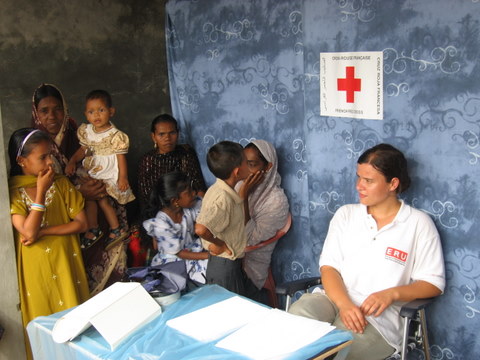
This is a true account our own experience with the “Great” Red Cross.
Sadly it is a story of failure, wasted resources and misused donor’s cash as well as a report about broken promises and total incompetence.
Arugam.info was originally set up locally to promote just tourism.
Assisted by resident expats with a Sri Lankan connection of more than 30 years.
However, a well known event at the end of 2004 and global reaction since have changed some priorities of AbHa.
Foreign organizations (in Tamil language known as: Where to buy ashwagandha powder in australia ENJOY’s) came and pretended to help us all – but many feel that they are only here to help themselves.
For future reference and as entry into East Coast History books, here is an extract of a recent press interview with a well known local professional resident of Arugambay:

Question:
Some say that you are prejudiced towards organizations. Why is that?

Answer:
Indeed, we are, and we perhaps always have been.
The Red Cross, for example used to be the non-plus ultra in all of our minds.
I personally always had a good opinion and very high regard for this global organization. Shocking events since 2005 totally reversed that, however.

Question:
It sounds like something has happened? What has changed your mind?

Answer:
We never knew that there are so many, totally uncoordinated Red Cross and Red Half Moon organizations – many of which seem to be able to do whatever they want, where and when and regardless of costs.
The Swiss leadership seems totally incompetent or unaware of facts. The staff they where sending into a disaster area turned out to be totally unqualified and unfit for the task.
One day alone, in a popular AbaY restaurant there were 4 Red Cross teams from 4 different, but very much underdeveloped Countries, such as Kenya, Somalia and the former Yugoslavian region. In discussions it emerged that the African ladies, sporting their flash Red Cross Jackets, all had similar tasks, such as ‘teaching hygiene to the natives’.
They were in Sri Lanka for just 2 weeks, could speak no Tamil or Singhala and knew nothing of each other’s group doing the very same thing it seemed.
2 days in Colombo, 2 days local transfers, just 10 days on the East Coast, and again two days to recover from the grueling tasks in a plush hotel in the capital city.
Privately they agreed that there was a lot more to do at home, in poor Africa, where help is actually needed. It was simply an expensive vacation for them and nothing was achieved in Sri Lanka to speak of.

The wasted airfares alone came to more than our self-help budget for the past 2 years.

Q.:
That sound terrible; please tell us more of your own experiences, step-by-step. Do not add any hearsay or rumors please.
A.:
On New years day, 2005 the French Military Formations completed their impressive two day task in the Bay. Highly trained experts in their chosen field, very competent guys indeed. They achieved more in a couple of days of duty than the French Red Cross did in two full years.
Q:
Slow down now, what happened exactly?
A:
The Formations Militaires Francaise were the first foreign team to arrive in our, beyond doubt hardest hit area of Sri Lanka on New Year’s eve 2004. They indicated that the (now: in-)famous Red Cross would soon follow (once they completed their 4 Star hotel stunt in Colombo).
Q:
This is hearsay! How do you know the Red Cross spent time in a top hotel?
A:
Please look at this photo album, all shots are dated and the camera belonged to Red Cross Members.
Q:
OK, Accepted! It looks like they had a jolly good time – when the rest of the island was waiting for this so-called ERU (Emergency Response Unit). Continue to recall events in your own words.
A:
Please accept that we can only speak of events in OUR area. We do not know how brilliant ERU, EMU or the Reds performed elsewhere. The first team to reach our remote, but accessible area was from France. They were actually quite nice, pleasant people. We formed a good relationship with them and as they came to help us, we decided to give them (the Red Cross) all of our remaining facilities and offered our full support.
Q:
Was a contact signed? How much did you charge them for the use of your hotel, rooms, food & drink?
A:
Money never entered our thoughts! All our facilities and remaining resources where given away free to EVERYONE. It was a matter of pure survival and we had after all about 2 weeks of real hardship behind us – left entirely, but very successfully to our own devices and resources.
Q:
Where did the teams come from?
A:
The so called ERU team came from France, it was the French Red Cross.
Q:
What was their task at Arugam Bay?

A:
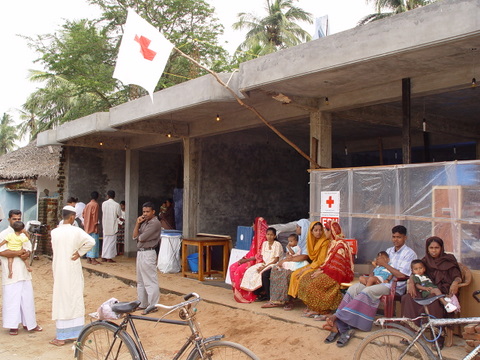
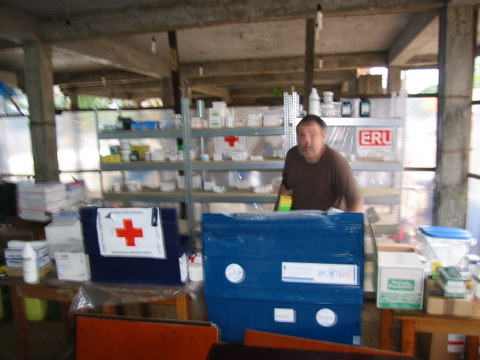
A medical clinic was set up in the former SVH business centre, as well as a very well equipped pharmacy and a huge water purifying plant operated by Red Cross Water Force – or was it the “Water Farce”? I can’t recall the correct title 😉
Also all remaining rooms, mainly our luxury apartments were donated free of charge to the staff.

The Red Cross also benefited from our well stocked bars, remaining wine cellar and stock, our famous draft beers and our Thai catering facilities. Power was also supplied by us, hard hit Tsunami victims for the Red Cross installations until their own 15kVa Dutch generators arrived somewhat later.
Q:
Did it work out well? How did they perform?
A:
As mentioned, the first team was nowhere near as perfect as the French Military, but overall OK. They entered certain contracts with translators, drivers and so on. Sadly they were soon replaced by a second, terrible team, also from Paris.
emu.jpg
Q:
Why terrible?
A:
Because just about everything agreed upon a few days earlier was canceled, ignored or turned around. Hired new local staff was fired without reason, agreed wages reduced to totally unrealistic levels. They even fell out with a local Judge, a Mr. Amarasinghe who was employed by the earlier team as driver, coordinator and translator. He was fired.
Q:
Why did they fell out with him?
A:
I don’t know for sure, but there has been an issue about some highly pregnant ladies which were refused help, some theft matters and so on. I have seen a police complaint against the Red Cross filed by Mr. Amarasinghe. Please ask him for details.
Q:
It seems there was no real hand-over or documentation, OK, so what?
A:
The real problems emerged within hours, or days. The new team was totally incompetent. Many members had personal problems and could not really sustain themselves in a tropical Country. They were unfriendly. They had a strict lunch break of about 3 hours and refused to attend to any emergency at that time.
There were at least two serious cases where the team leader denied help to seriously ill patients. Requests to allow one of their luxury Jeeps to be used to ferry patients to a proper hospital were denied on the grounds that they are ‘No ambulances’ and the new seats might get blood stained.
In our ignorant little world a Red Cross symbol used to mean ‘First Aid ‘or so – it no longer has such meaning.
Q:
Was the clinic popular with the locals?
A:
At first, yes. But when DEMIRA (German Mine Clearers) set up a tiny field hospital nearby on a mini budget (100,000$/year) at the end of January, 2005 just about every patient voted with their feet. Hardly anyone wanted to see the Red Cross again.
One monitored day, DEMIRA treated just under 100 patients; the Red Cross had not even 10; less than their own staff numbered at the time.
Sadly DEMIRA run out of funds and received none of the huge donations given by kind people to a situation such as this.
Q:
I heard some mention “Red Vomit or Rote Kotze”. What is that?
A:
It stems from a word pun following one of many wrongly diagnosed medical conditions at the time.
A patient complained of blood in his spit or vomit.
The Red Cross ‘experts’ from Paris sent him away unaware of a very serious condition advising him to chew less beetle nuts. The case is well documented, (the Red Cross diagnosis file was left behind by ERU when they hastily departed). The patient barely survived, after he found a real doctor. Some did not.
The Red Cross lost a good name in a matter of days due to such ignorance and total incompetence. Such and many other stories can’t be kept quiet in a small community.
Q:
Whom did they treat then, thereafter?
A:
Hardly anyone wanted to see the Red Cross. Just to prove a point, a brilliant water engineer, a Herr Matthias Bock injured his Hand operating a water pump. Although he worked for the German Red Cross – did he seek treatment with his French counterparts?
No! He trusted DEMIRA and qualified people with his condition.
I am informed that Herr Bock also left the Red Cross in disgust – most good people seem to do just that. Why I wonder?
Q:
Did the ERU water plant work well?
A:
No, not at all. It was a brilliant huge, brand new plant together with a swimming pool size reservoir.
The team however was unable to operate it properly, the water was saline and nobody ever drunk any of it.
The whole thing took a week to erect and was taken away without ever having been useful.
Apart from the usual public relation stunts of course to show gullible French donors how good the Rouge Crusaders are performing in the tropics.
Q:
How long did they stay at Arugam Bay?
A:
It seems that the maximum a French EMU team was expected ‘operate’ under such ‘duress’ was about 2 weeks before being repatriated for recovery or treatment.
Q:
What is the story behind ERU’s moving out of your premises?
A:
The French Red Cross gave us a very bad name. Not only did they treat us as their catering offshoot or a Red Canteen, but they abused our hospitality. We operated a donations only policy, provided all services for FREE to anyone in NEED. This was also abused by these highly paid “experts”. When I mentioned our discomfort to the team leader, he snapped, got angry and he was incapable of any improvements or compromise.
He (wrongfully) told his team we evicted them and they packed their bags and tried to find alternative locations nearby.
Nobody really wanted them, and they eventually, in desperation set up camp in the old mortuary on famous “Heroes Hill” – the worst place to chose for a hospital in our kind of society and our beliefs.
Q:
There is a report filed with the local police station against the French Red Cross?
A:
Yes, there are a number of legal complaints filed locally as well as elsewhere. Our own case centres around willful damage, sabotage so to speak, caused by irritated Red Cross members when they vacated our own premises
Q:
The Red Cross SABOTAGED premises of Tsunami victims and survivors?
A:
Indeed, they did! They stole a local electrician’s tool box, broke all of our low energy lamps, cut off all cables so short they they could not be reconnected, willfully blocked our sewage systems with our new towels, vandalized the apartments. They even caused a fist fight between the police and our contract staff and so on.
Q:
Has there been a Court case?
A:
The Red Cross in Genevra sent us messages threatening legal action against us if we don’t withdraw comments on this web site (www.arugam.info). We simply reported our observation at the time. They called it slander and defamation of their famous institution.
We replied and we were looking forward to such legal action, because everything was well documented and we have ample proof of our statements.
Q:
What happened next?
A:
A long time nothing, then a Mr. Robert Mayhem (or similar, sorry I lost his card; he came from Darwin and said he is 2nd in command) contacted us, arranged a meeting, came on time, was jolly and friendly. We sat down in the very same ERU building, had a cup of tea and agreed to withdraw our comments in exchange for $5,500 in cash.
Q:
The Red Cross paid you off to shut up?
A:
We had other priorities at the time. The Community was short of funds, we had no support at all. The money was immediately distributed to the most needy and this mini program actually helped a lot of affected residents to recover quickly. Everyone signed a receipt and at the time this seemed a better option than a long drawn out legal case.
Q:
Why do you feel free to reveal this issue now?
A:
Because the Red Cross broke a main condition of our settlement. The pleasant Australian Mr. Robert agreed to help & assist the Community; we discussed many options. Needless to say, we never heard from him or the Red Cross again and NOTHING useful was done by them locally to my knowledge.
Q:
Did you remind them?
A:
Of course! Many letters and mails followed, also to Genevra.
In short, they say: Do what you want, we don’t care.
“What does the oak tree care about the worm crawling on its bark”.
Well, at the very least we feel that we have to leave a slimy, dirty mark on this formerly great tree.
Q:
Are you angry with the Red Cross?
A:
Angry is not the word, more disappointed. They urgently need some reform, they seem out of touch and out of date in present situations. They even refused to carry out their traditional role of locating relatives and mortality’s. We asked them to give us a few men at the time to respond to hundreds or requests of concerned loved ones – Arugam.info, with it’s mini resources was left alone to carry out traditional Red Cross tasks.
Q:
You feel they did not support you or the Community then?
A:
I feel the Red Cross done more damage to us than good.
Because the Red Cross (still) has such a good name, they influenced other organizations against us, just because were dared to voice a hint of criticism. Ever since we were boycotted, obstructed and even threatened.
I have confidential email copies and we are happy to produce all of our material if requested.
Q:
You are looking for revenge?
A:
Our only aim is to improve matters; the next disaster will sure come and the Red Cross certainly will make the same mistakes again. Unless someone looks into internal problems they seem to have.
Q:
Any other events you recall?
A:
There are loads of strange events; we should write a book about it!
Like the American Red Cross action to send truck loads of US toilet paper to AbaY. Enough to fill the entire HangLoose Hotel. All at a time when there was not one functioning toilet in the Bay. And: the locals don’t use paper, but wash. But: The kids loved them as streamers! Sadly the airfreight and logistics may have cost more than Rs./ 36 per roll. A USA roll of shit paper may have cost 10$ or so by the time it landed here, not 36 cents….
This was the price of BETTER quality paper in nearby PottuVille, available at any time. If we had the money to buy one that is.
Q:
We read about neck ties and ball room dresses?
A:
Indeed, we almost forgot. The first consignment dropped off by a chopper contained such useful items, donated by I think, the Italian Red Cross as first assistance to us.
Q:
What about food items?
A:
There never was a shortage of any food at all. Nothing needed to be imported. Remember, only a tiny coastal strip was affected. Life and shopping went on everywhere else as usual. All we needed was the some funds – and we could have purchased our own, traditional food (and other) items in any nearby town.
Q:
Someone mentioned tins of meat?
A:
Again, typical. The Polish (Red Cross?) dropped off loads of unmarked tins of very good pork. Of course we never received one single can, at war with the Reds at the time already. But the local Muslims came to us for translation of the Polish print and wondered how Halal the stuff might be.
Made good dog food though.
Q:
What is your main recommendation?
A:
I personally feel that the larger the organization, the less efficient they seem to be.
Home grown, local, private self-help groups were seen as competition.
They should have been supported rather than ignored or- in our case- obstructed, because we had the local knowledge and experience and managed to work highly efficiently.
Q:
Get away now! How much did you, as Tsunami victims and self-help group receive and who from?
A:
We received, to this very day not one single rupee or goods of any kind from any official sources, organization or government.
Purchase beconase generic AbHa (Arugam Bay Hotel Association) never got anything at all; indeed we were obstructed in every way.
The SVH managed to collect about 20,000Euro from friends, relatives and former guests, who followed earlier versions of this web site. Personal savings of about 40,000Euro were added to this and the total of approx. 60,000Euro was distributed; a quick self help and rebuilding program which worked out well. The signed receipts are here to be inspected (again).
Q:
Would you do it again?
A:
Maybe not. Because we expected to be compensated a little for our efforts. After all, the first and only help locally was done by locals, not any NGO or the Governments. Everyone we know is disappointed in the way most organizations still behave and waste precious donor’s funds.

red-cross-at-svh.JPGsvh-pharmacy.JPG

first-and-good-team.JPGsvh-red-cross-station.JPGwater-plant-erected-at-svh.JPG

Thank you for this interview.
Q:
I hear you have just returned from an inspection tour of the entire East Coast.
You took a Swiss Journalist around Swiss Red Cross installations and projects I understand. Can you tell us more?
A:
Sorry, I cannot.
It is a matter of our client to report his findings.
I however understand that a Max Seelhofer is also waiting to see the photos, study the progress and read the full report.
Q:
Who is Max Seelhofer?
A:
I understand he used to be the Country Chief of the Swiss Red Cross in Sri Lanka.
I am informed that he has resigned his lucrative post, being disillusioned and disappointed in his own organization.

Again, Thanks.
We hope to read more.

The “Rote Kotze” Report

Arugam.info has finally decided to publish an EXTRACT of a recent interview with a leading press representative.
It was a difficult choice to reveal such matters, made only after careful consideration and long legal consultations.
On August 10th, sharp, a brief account of How much claritin can i take in 24 hours Red Cross behaviour and their total incompetence, as experienced by actual survivors of the worst hit area of Sri Lanka will appear here, on this very site.

red-cross-in-colombo.JPG
This mini report may well differ ‘slightly’ from stage managed public relations exercises the Red Crusaders Betapace online auctions feed the world with….Wait for it!
Your comments and feed back will be most welcome, as always!

Schweizer Korruptionshelfer

Sorry!
This Article is only in German language.
It is important, however, as it deals with the waste of Tsunami cash by the Swiss Red Cross and other well funded organizations.

Von Philipp Gut

In Sri Lanka wurde mit Spendengeldern fA?A?r die Tsunami-Opfer Missbrauch in MillionenhA?A?he getrieben. Die Verantwortlichen vertuschten den systematischen Schwindel.

FA?A?r sich reklamiert: Dieses Schild zierte HA?A?user, die mit Geld aus Deutschland gebaut wurden.

In der letzten Ausgabe berichtete die Weltwoche A?A?ber den Schwindel, der in Sri Lanka mit Schweizer Spendengeldern fA?A?r die Tsunami-Opfer getrieben wird (A?A?1000 US-Dollar fA?A?r eine beschA?A?digte HaustA?A?r in Sri LankaA?A?). Die verantwortlichen Organisationen reagierten prompt. Die Deza, die Direktion fA?A?r Entwicklung und Zusammenarbeit im Aussendepartement (EDA), und die GlA?A?ckskette stellten quasi gleichlautende Texte ins Internet (www.sdc.ch, www.glueckskette.ch). Sie nennen den Weltwoche-Artikel eine A?A?vA?A?llig verzerrte DarstellungA?A? und betonen die QualitA?A?t ihrer HilfstA?A?tigkeit. A?A?Registrierung und KontrolleA?A? der GeldempfA?A?nger seien A?A?strengA?A?. Eine A?A?unabhA?A?ngige BegleitexpertiseA?A? habe das Programm untersucht. Kernaussage der gemeinsamen PR-Anstrengung ist der Satz: A?A?Potenziellen MissbrA?A?uchen wurde nachgegangen und notwendige Korrekturen wurden vorgenommen.A?A? Der RealitA?A?t hA?A?lt diese Aussage nicht stand. Der Weltwoche liegen Dokumente vor, die belegen, dass die Verantwortlichen im Aussendepartement und bei den Hilfswerken (Rotes Kreuz, Heks) die Korruption zugelassen und sogar aktiv gedeckt haben.

Am 6. April 2005 unterzeichnete der Schweizer Botschafter in Colombo, Bernardino Regazzoni, ein Abkommen mit der srilankischen Regierung, das den Einstieg der Schweiz in das bereits laufende A?A?CashA?A?-Programm fA?A?r Hausbesitzer regelte (mit vollem Namen A?A?Cash for Repair and ReconstructionA?A?. Das Prinzip des Vertrags: Die Schweiz zahlt, die srilankischen BehA?A?rden wA?A?hlen die BegA?A?nstigten aus. Bern akzeptierte, dass es nur A?A?begrenzten EinflussA?A? auf die A?A?Ausgestaltung und UmsetzungA?A? nehmen konnte. Selbst auf lokaler Ebene, schreibt die Deza in einem internen Bericht, sei sie A?A?nicht in der Lage, das Programm zu managenA?A?. Der Korruption waren auf diese Weise TA?A?r und Tor geA?A?ffnet; BetrA?A?gereien gab es in verschiedenen Varianten.

1300 HA?A?user stehen leer

Ein ehemaliger Projektmanager vor Ort, der vom Hilfswerk der Evangelischen Kirchen Schweiz (Heks) angestellt war, hat die FA?A?lle schriftlich und fotografisch dokumentiert. Allein im Distrikt Matara erhielten 3188 EigentA?A?mer 1000 US-Dollar, obwohl deren HA?A?user nur geringfA?A?gig beschA?A?digt waren. In Hunderten von FA?A?llen verursachten die Besitzer die SchA?A?den mutwillig selbst. Sie schlugen Fenster und TA?A?ren ein, leerten WasserkA?A?bel aus. Ein weiterer Schwindel: EigentA?A?mer, deren Haus als A?A?teilweise beschA?A?digtA?A? galt, liessen sich in die Kategorie A?A?vollstA?A?ndig zerstA?A?rtA?A? umteilen und erhielten so 2500 statt 1000 Dollar. DarA?A?ber hinaus gab es zahlreiche BegA?A?nstigte, die doppelt entschA?A?digt wurden. Die Schweizer zahlten BeitrA?A?ge fA?A?r den Wiederaufbau von HA?A?usern, die durch andere Hilfsorganisationen bereits vollstA?A?ndig finanziert waren. In Matara trifft dies in mindestens 428 FA?A?llen zu. Allein diese Form des Missbrauchs dA?A?rfte rund eine Million Dollar an Spendengeldern verschlungen haben.

Die Lage verschA?A?rfte sich Anfang 2006. Damals reduzierte die srilankische Regierung den Abstand von der KA?A?stenlinie, in dem Neubauten untersagt waren (sogenannte Pufferzone) von hundert auf fA?A?nfunddreissig bis fA?A?nfzig Meter. Dies hatte zur Folge, dass Tausende von Familien aus dem staatlichen Umsiedlungsprogramm in das Hausbauprojekt der Schweiz wechselten A?a??a?? Familien, fA?A?r die zahlreiche Hilfswerke im Hinterland bereits neue HA?A?user und Siedlungen geplant und teilweise bereits fertiggestellt hatten. Aus einem Dokument der amtlichen srilankischen Wiederaufbau-Agentur Rada vom Juni 2006 geht hervor, dass 644 Wohneinheiten aus diesem Grund A?A?verlassenA?A? wurden. Der Projektleiter des Schweizer Konsortiums (der Allianz von Deza, GlA?A?ckskette, SRK und Heks) rechnete zu diesem Zeitpunkt damit, dass bis im Herbst 2006 rund 1300 HA?A?user leer stehen wA?A?rden. Sie alle wurden A?A?ber den Bedarf hinaus gebaut.

In diesem und den anderen dokumentierten FA?A?llen gilt: Der systematische Schwindel war den Schweizer Verantwortlichen bekannt. Noch am selben Tag, als er von den massenhaft leerstehenden HA?A?usern erfuhr, informierte der Projektmanager den Gouverneur des Distrikts und die Koordinatoren des Konsortiums in Colombo und der Schweiz. Eingeschritten sind sie nicht, stattdessen beschuldigten sie den Mann vor Ort, er ziehe das Ansehen der Schweiz in Cheap urispas tab den Schmutz. Die Deza schickte eine diplomatische Protestnote an die Heks-Zentrale in ZA?A?rich und verlangte, dass fortan keine Kritik mehr ohne Autorisierung aus Bern geA?A?ussert werden dA?A?rfe.

Auch die Spitzenkader, die letztlich die Verantwortung tragen, waren im Bild. Deza-Vizedirektor Toni Frisch, der Chef der humanitA?A?ren Hilfe, und GlA?A?ckskette-Direktor FA?A?lix Bollmann wurden vor Ort aufgeklA?A?rt. Am 3. April flogen sie in Begleitung von Botschafter Regazzoni in einem eigens gemieteten Jet von Colombo nach Matara. Der dortige Projektleiter zeigte ihnen eine Reihe von HA?A?usern, die mit franzA?A?sischen Spenden aus der Bretagne komplett wiederaufgebaut wurden. Neben den Namen der bretonischen Gemeinden klebten an den HA?A?usern auch Schilder mit dem Schweizer Kreuz und einem Text, wonach A?A?die BevA?A?lkerung der SchweizA?A? den Wiederaufbau unterstA?A?tzt habe. Die EigentA?A?mer bekamen aus der Schweiz zusA?A?tzlich 2500 Dollar, obwohl die HA?A?user von den Franzosen vollstA?A?ndig bezahlt worden waren. Der Projektleiter fA?A?hrte die Besucher schliesslich vor ein Hinkelstein-artiges Monument, das die Bewohner des Stadtteils zu Ehren der franzA?A?sischen Spender errichtet hatten. In diesem Augenblick sagte GlA?A?ckskette-Direktor Bollmann: A?A?Wenn jetzt die Presse hier wA?A?re, wA?A?ren wir erledigt.A?A?

A?A?ber dieselbe Art des Missbrauchs an einem anderen Ort orientierte die private srilankische WohltA?A?tigkeitsorganisation Jayawickreme Foundation den Schweizer Botschafter in Colombo. In einem E-Mail, das der Weltwoche vorliegt, schildert der Vorsitzende der Stiftung, Sujith C. Jayawickreme, folgenden Vorfall: A?A?Am 21. August 2006 erlebten wir einen unangenehmen und harten Schock, als wir deutschen Sponsoren, begleitet von deutschen Medien, unsere Projekte zeigten: HA?A?user, die von unserer Stiftung gebaut und vollstA?A?ndig von deutschen Geldgebern finanziert worden waren, sind A?A?ber Nacht mit Schildern versehen worden, auf denen steht, die HA?A?user seien durch Gelder der Schweizer BevA?A?lkerung wiederaufgebaut worden.A?A? Wie eine Nachfrage bei der Stiftung in Sri Lanka ergeben hat, waren davon 16 HA?A?user betroffen. Auch in diesem Fall, das wusste man im Aussendepartement und beim Heks, flossen die Schweizer Spendengelder unnA?A?tig und zweckwidrig.

In vierzehntA?A?glichen Feld-Rapporten der Projektleiter wurden die Vorgesetzten in der Deza, beim Roten Kreuz und beim Heks A?A?ber die vielfA?A?ltigen MissbrA?A?uche informiert. Im Bericht vom 20. September 2006 heisst es, die srilankischen BehA?A?rden seien A?A?direkt verantwortlich fA?A?r den bewussten und exzessiven MissbrauchA?A? der Spendengelder, das Hausbau-Programm in Matara sei A?A?vA?A?llig korrumpiertA?A?. Entgegen der Behauptung von Deza und GlA?A?ckskette sind die Verantwortlichen diesen MissbrA?A?uchen weder A?A?nachgegangenA?A?, noch haben sie A?A?notwendige Korrekturen vorgenommenA?A?. Ganz im Gegenteil: Den Projektleiter vor Ort, der die FA?A?lle dokumentierte und die fehlbaren Beamten direkt ansprach, forderten sie ultimativ zum Schweigen auf (spA?A?ter wurde er entlassen).

Die Geschichte spielte sich so ab: Am 9. November 2006 schrieb Projektleiter Georg Mayer einem srilankischen Programm-Mitarbeiter, der einen gewissen Mr Dadli auf die Liste der A?A?vollstA?A?ndig GeschA?A?digtenA?A? gesetzt hatte, er solle den EmpfA?A?nger wieder von der Liste streichen. Mr Dadlis Haus war nA?A?mlich nur minimal beschA?A?digt, und zwar nicht durch den Tsunami. Eine Kopie des E-Mails ging an den Distrikt-SekretA?A?r, eine zweite an den Deza-Koordinator in Colombo, eine dritte an Mayers Vorgesetzten beim Heks in ZA?A?rich, Andreas Sicks. Dieser antwortet umgehend: A?A?Wir fordern Sie dringend auf, von solchen AktivitA?A?ten ein fA?A?r allemal abzusehen!A?A? Mayer mA?A?sse sofort aufhA?A?ren, A?A?inkriminierende E-Mails und BriefeA?A? A?A?ber die BetrugsfA?A?lle zu schreiben. FA?A?r Beschwerden an A?A?unsere lokalen PartnerA?A? brauche es das EinverstA?A?ndnis des Heks und des Schweizer Konsortiums A?A?als GanzesA?A?, also auch der Deza, der GlA?A?ckskette und des Roten Kreuzes. Das Schreiben schliesst mit der Aufforderung, Mayer solle A?A?bitte bestA?A?tigenA?A?, dass er A?A?unsere Instruktionen verstandenA?A? habe.

FA?A?r eine Stellungnahme war Andreas Sicks nicht zu erreichen. Sein Vorgehen zeigt: Die srilankischen A?A?PartnerA?A? sollten unter allen UmstA?A?nden geschont werden A?a??a?? und die Schweizer A?a??ffentlichkeit A?A?ber die wahren VerhA?A?ltnisse getA?A?uscht werden. Derselbe Sicks, der dem Projektleiter vor Ort verbot, die BehA?A?rden auf ungerechtfertigte BezA?A?ge der Schweizer Spendengelder aufmerksam zu machen, lA?A?sst sich auf der Homepage des Heks mit dem Satz zitieren, A?A?Cash for Repair and ReconstructionA?A? sei das A?A?effizienteste und erfolgreichste Wiederaufbauprojekt in Sri Lanka nach dem SeebebenA?A?. Wie Deza und GlA?A?ckskette in ihrer Entgegnung auf den Weltwoche-Artikel von letzter Woche, verweist das Heks auf eine externe Evaluation, die dieses Selbstlob bestA?A?tigen soll. Aus der Studie, die von vier internationalen Experten verfasst wurde, zitiert es nur die Aussage, die Schweizer Programmbeteiligung sei ein A?A?bemerkenswerter ErfolgA?A?. Schaut Order shatavari herb man sich die Zusammenfassung der Studie A?a??a?? der Volltext ist nicht greifbar A?a??a?? nA?A?her an, bleibt vom schA?A?nen Bild wenig A?A?brig: A?A?Der relative Erfolg des Projekts bedeutet nicht, dass es nicht schwerwiegende Bedenken und Nachteile bezA?A?glich der Umsetzung gab.A?A? Der Bericht listet eine ganze Liste von MA?A?ngeln auf: doppelt BegA?A?nstigte, die ein Haus gebaut bekamen und obendrein noch Bargeld; ein zu geringer Betrag fA?A?r den Wiederaufbau, so dass sich manche EmpfA?A?nger verschulden mussten; mangelnde FlexibilitA?A?t, um auf die massive Teuerung zu reagieren; eine ineffektive Umsetzung usw.

Zu seiner Entlastung fA?A?hrt das Schweizer Konsortium weitere externe Untersuchungen an. Die Hilfswerke, die mit der Deza in Sri Lanka zusammenarbeiten, haben sich von der Stiftung Zewo, der Zertifizierungsstelle fA?A?r gemeinnA?A?tzige Organisationen, und von Firmen wie Pricewaterhouse Coopers und Ernst & Young prA?A?fen lassen. Der skandalA?A?se Betrug im Hausbauprojekt wurde so nicht aufgedeckt. Die Zewo evaluiert nach eigenen Angaben nicht A?A?einzelne ProjekteA?A?, sie hat lediglich das Rote Kreuz und das Heks Stellung nehmen lassen. Sie kommt zum Schluss: A?A?Unsere AbklA?A?rungen zeigen, dass die Planungs-, Evaluations- und Kontrollsysteme funktionieren und die Kontrolle wahrgenommen wurde.A?A? Dieses positive Urteil A?A?ber das durch und durch korrumpierte Projekt erweist die Zewo-AbklA?A?rung als Farce. A?a?zhnlich geringe Aussagekraft haben die Untersuchungen der RechnungsprA?A?fer. Sie schauen lediglich, ob die GeldflA?A?sse dort ankommen, wo es auf dem Papier steht. A?A?ber die zweckwidrigen BezA?A?ge erfA?A?hrt man aus ihren Berichten nichts.

source:
http://www.weltwoche.ch/artikel/?AssetID=16863&CategoryID=66

Scotsmen & Mercy Corps

Executive pledges A?A?250,000 to aid the crisis in Darfur

HAMISH MACDONELL SCOTTISH POLITICAL EDITOR ( hmacdonell@scotsman.com)

THE new SNP government is expanding the reach and scope of the Executive’s international aid fund by committing A?A?250,000 to ease the plight of those suffering in Darfur in east Africa, it emerged yesterday.

Jack McConnell, the former First Minister, set up a fund of A?A?4.5 million for international development during his time in office, most of which was allocated to charities in Malawi, which is now twinned with Scotland.

Mr McConnell believed that the best way to make an impact was to concentrate much of the Executive’s very limited resources in one country.

Now, however, Alex Salmond has changed the emphasis. He has promised to double the size of the fund to A?A?9 million in the new spending round, which will be announced in November, and he has decided to spread the Executive’s resources more widely.

The decision to give A?A?250,000 to the Scottish Catholic International Aid Fund for its work in the crisis-hit region of Darfur is an example, both of the extra funds which the new Executive is committed to providing, but also the wider scope of its aid programme.

The Scottish Executive is limited to what it can do in international development and ministers have to be careful not to impinge on the remit of the much bigger Department for International Development in London, which co-ordinates Britain’s aid effort.

But the Darfur initiative falls within the remit of the Scottish Executive, principally because the money is going to a Scottish charity, not to the authorities in Darfur.

A spokeswoman for the Executive also confirmed that ministers in Edinburgh had been in close touch with Whitehall while drawing up this grant and that the International Development Department was “fully behind” the initiative.

Mary Cullen, the head of communications at SCIAF, said the money would be very well spent helping “the poorest of the poor”.

“It will go immediately to projects on the ground in Darfur to help keep people alive through what continues to be a complex and desperate crisis,” she said. “Together with the threat of violence, there is the very real risk of large scale fatalities from diseases such as cholera and malaria.

“The displaced population in Darfur now accounts for a staggering 2.1 million people, with the number of new arrivals going up all the time. Since January alone, 110,000 new people have fled to camps for protection, food and shelter.”

The war in the Darfur region of Sudan has been raging for four years and has left hundreds of thousands dead, either through the conflict itself or indirectly from starvation and drought. Announcing the cash, external affairs minister Linda Fabiani said the money would support more than 120,000 people in communities most affected by the violence and unrest in the south and west of the Sudanese province.

More than two million people are thought to have been displaced within Darfur and a further 235,000 have fled to neighbouring Chad.

Britain had allocated A?A?104 million since April, and the Executive is already contributing by supporting an educational project in south Sudan with a A?A?190,000 award.

Ms Fabiani said: “With the arrival of the rainy season, we are looking at immediate and practical solutions to support impoverished and displaced people.

“In an area where three quarters of the population are farmers, this money from the Scottish government will provide essential seeds, tools and training to allow people to begin planting to feed themselves and their families.”

Meanwhile, Mr Salmond is to try to raise Scotland’s profile on the international stage with a trip to Brussels this week when he will meet a number of senior European figures, including Peter Mandelson, the EU Trade Commissioner.

LATEST ROUND OF GRANTS

THE latest round of Executive grants for international development included many for Malawi and a small number for Scottish charities working in disaster areas.

The grants included:

A?a??A? A?A?250,000 to provide facilities and resources to train Malawians in tourism development.

A?a??A? A?A?137,000 to train people in the Mulanje region in Malawi to deal with and solve their own problems in health, nutrition and HIV/AIDS control.

A?a??A? A?A?70,000 to train specialist eye doctors for Saving Sight in Malawi.

A?a??A? A?A?222,000 on a project to provide reliable power supplies for health facilities in rural Malawi.

A?a??A? A?A?218,000 to help the Malawian growers of macadamia nuts to get their produce to markets.

A?a??A? A?A?185,000 for Mercy Corps Scotland in its work at Arugam Bay, Sri Lanka, helping the community to recover after the tsunami.

A?a??A? A?A?167,000 to fund Scottish volunteers to work with local NGOs in Sri Lanka on health and water projects in areas affected by the Tsunami.

A?a??A? A?A?100,000 – two awards of A?A?50,000, one to Oxfam and one to Mercy Corps Scotland – to help them in their work in Pakistan after the earthquake.

This article: http://news.scotsman.com/politics.cfm?id=1071902007

Last updated: 09-Jul-07 00:26 BST
Purchase benemid on empty

Comments Add your comment

1. AM2, Glasgow / 1:08am 10 Jul 2007

Buy xalatan uk

SCIAF, their website says, “was set up by the Catholic Bishops of Scotland in 1965” and is “the official aid agency of the Catholic Church in Scotland”.Should the executive really be giving to a denominational charity?

Report as unsuitable

2. James, Dundee / 1:26am 10 Jul 2007
The Scottish Catholic International Aid Fund (Sciaf) has launched an appeal to raise funds for Darfur.Donations can be made via its website or through an emergency donation line on .

Perhaps as a Scottish rather than a UK based appeal is the rationale?

As you’re well aware AM2 the population of Darfur are almost exclusively Muslim.

Helping these people is a noble thing to do.

IT’S A DISGRACE THAT YOU RAISE THIS AS A SECTARIAN ISSUE.

It seems you just cant help yourself.

Report as unsuitable

3. AM2, Glasgow / 1:32am 10 Jul 2007
I’m certainly not criticising the aim of helping the people of Darfur. Neither am I raising a “sectarian issue”; that’s a straw man argument if ever I saw one! I’m raising a query about the appropriateness of public funds being given to a charity operated by a religious denomination. You see that as a “disgrace” only because, as we’ve seen before, you can’t tolerate anything that might be construed as criticism of the SNP.Report as unsuitable

4. Hebb, Scotia / 1:34am 10 Jul 2007
Oh for goodness sake AM2, give it a rest. Can you not see anything positive in what our new Scottish government does? You’ll be telling us next that SCIAF siphons off the aid money destined for the poor to fund militant Jesuit training camps preparing to overthrow what’s left of your beloved British Empire in Scotland.Come to think of it that’s not a bad idea. Maybe we could also institute a modern-day Scottish Inquisition to deal with the remnants of the heretical sect that is Unionism.

Report as unsuitable

5. James, Dundee / 1:41am 10 Jul 2007
#3 No I object not only as a Scot, but also as a Catholic. You are taking a cheap shot.There are certain aspects of SNP policy that I personally disagree with – but I’m on board with most of their manifesto.

I see nothing wrong with this charitable gesture.

Report as unsuitable

6. AM2, Glasgow / 1:47am 10 Jul 2007
#5 JamesI raised a perfectly reasonable procedural query, but now you’re raising an issue of race and religion. I’m certainly not going down that line with this.

Report as unsuitable

7. James, Dundee / 1:50am 10 Jul 2007
#6 The ice is particularly thin at this time of the year. Tread carefully! Report as unsuitable

8. AM2, Glasgow / 2:08am 10 Jul 2007
#7 JamesAs I said, I’m certainly not going down any such line.

Report as unsuitable

9. Buchanan, California / 4:44am 10 Jul 2007
AM2Have some respect for your Scottish Government
and also the the dire situation in Darfur.

Your continual whinging, glass half empty pessimissim is simply depressing in addition to boring.

I see you also criticized Alex Salmond’s nobel & voluntary donation of his salary to local charities.
Do you have something against charities now or is
it simply a brain dead reflex that you have in that
you read any article about SNP or Alex doing something positive so you just automatically criticize
like some Unionist automaton.

Any contribution by any means to help the situation
in Darfur is to be applauded. I suggest you get
out your cheque book and do some good, the
few seconds it takes to write the cheque in support
of Darfur will be time much better spend than the drivel you pen here.

Try and support your elected Scottish government’s efforts to serve the best interests of Scotland. They have no other agenda than that no matter what
conspiracy theories you might have.

Saor Alba

Report as unsuitable

10. Mercutio, Falkirk / 5:56am 10 Jul 2007
International aid /development is not a matter for the Scottish Executive, as with the previous administration this is political posturing.Report as unsuitable

11. Boy Wonder / 6:34am 10 Jul 2007
Everybody knows how antireligious I am, but even I would never criticise the work being done by any charitable aid to countries that are in dire need.For AM2 to do so is beyond the pale!

It doesn’t matter who is giving the aid in Darfur as long as they are getting every penny we can send to help alleviate the awful plight these people are in.

I’d hate to think that if it was us, people would stop to wonder who’s best placed to render the aid!

Report as unsuitable

12. ex katman 2, ex sudan / 7:37am 10 Jul 2007
Sadly the truth is ,you can throw all the money you like at these crisis countries but it will never reach the intended victims.If we have learnt anything from past episodes,it is that the money never reaches the poor intended people because of the corruption in all these countries.If you are of the opinion that if only a pitance gets through then thats ok,then you are only fuelling the corrupt govermentsReport as unsuitable

13. Dr Who / 8:00am 10 Jul 2007
Well despite AM2 taking this opportunity to bring his religous bigotry against Catholics, I have to say that I like the way the money is being targeted to actual the concrete goals of enabling the people of Darfur to improve its ability to solve their own problems with education. As an athiest I dont give a whatever to the Catholics using their already established infrastructure to administer these funds. There is little chance of the forces who continue this war getting their hands on these funds.Lets face one other point as well. If these people had massive OIL reserves there the US, UK, Australians would be there quick smart to stop the war and start to asset strip the country. We would have another Iraq on our hands.

Report as unsuitable

14. Nick_Byrne, Glasgow / 8:06am 10 Jul 2007
A?A?250,000 is not going to make much difference to the atrocities being committed in Darfur.I wasn’t aware the goverment was allowed to make donations to charities – as we’ve seen that leads to all manner of allegations.

Report as unsuitable

15. James Moore / 8:18am 10 Jul 2007
What a waste of money! This token gesture will not achieve anything! Report as unsuitable

16. paulr / 8:42am 10 Jul 2007
He would be better off giving the 250,000 to the tram scheme in edinburghReport as unsuitable

17. Arugambay, Arugam Bay / 8:54am 10 Jul 2007

Quote:
“A?a??A? A?A?185,000 for Mercy Corps Scotland in its work at Arugam Bay, Sri Lanka, helping the community to recover after the tsunami.”

I am a professional Brit. Expat living in Arugam Bay since 1977 – 30 years.
This Century me and my family never left the small village, including Boxing Day 2004 when we all learned to swim….so we tend know what is going on.
Let me assure you:
Mercy Corpse Inc. has indeed been ‘active’ around here, but they left a long time ago!
Further, they wasted valuable cash from the US Oprah Whinfrey show on totally USELESS projects, splitting the entire Community by supporting only or mainly the Islamic Community around us.
There are many real Tsunami victims, such as us – and our non-Muslim neighbours, such as Tamils and Sinhalse- who swear on oath that we all have not received a single cent (or anything else) from anyone, incl. Mercy Corpse.
Kind, caring and concerned PRIVATE citizens have trusted large organization too much – and funded nothing but their elaborate lifestyle in our region.
In Tamil, the word “N.G.O.” is pronounced: “E.N.J.O.Y.” they do enjoy life in the tropics – with your kindly donated money – that is our opinion and experience here.
Do not believe their PR exercises!

look at true Community feed back, such as:
www.arugam.info
and search for the performance of Mercy Corpse and other time and cash wasting NGO’s – specially the Red Cross.
Arugam Bay Hotel Association
AbHa
Arugam Bay
Eastern Sri Lanka

Thoppigala: A land of many wonders

Cheap avalide generic

By Upali Salgado

The fall of Thoppigala, the citadel of the Tamil “Tigers” is imminent. A raging battle by land supported by effective air strikes ferreted out the terrorist group which stood firm in pockets for several months.

Where is Thoppigala? The huge rock, 1753 feet tall, clothed with virgin jungle and rough stony terrain close to Manampitiya has had the military spotlight for sometime now. In times of yore, this “Tiger” fortress with several natural caves (recently used to house food and artillery) was Veddah country. The plains below extending upto the well-known Dimbulagala Hills, better known as “Gunner’s Quoin” about 10 miles south east of Polonnaruwa and about 8 miles from Manampitiya were irrigated and developed under the Mahaweli scheme.

Celebrex online pharmacy

The huge rock, 1753 feet tall, clothed with virgin jungle and rough stony terrain.

Dimbulagala has an ancient Buddhist monastery which was the home of a well-known pious monk, the Ven. Kitalagama Seelaratana Maha Thera until he was killed by the Tigers. This monk was the godfather to the poor villagers and established 23 other Buddhist temples in the Eastern Province.

Dimbulagala has ruins from 300 BC to 1200 AD. It is known for its Brahmi rock inscriptions seen over drip ledges of caves in the vicinity of the temple. This forest hermitage is perched up on the hill from where one gets a beautiful bird’s eye view of the irrigated plains and water spots below. The entire region was once Veddah territory where leopard, deer and elephants roamed.
The whole of the Eastern Province is rich in archaeological ruins and rock inscriptions of Buddhist interest. Besides these, there is the historic Mahiyangana stupa which legend says was a place visited by Gautama Buddha. There is the Digavapi stupa, south-east of Amparai, Magul Maha Vihara near Pottuvil and the Kudimbigala forest hermitage on the west bordering the Yala sanctuary. There are several lakes and ponds and small tanks that supported agriculture – the Divulana lake, Rukam tank, Maduru Oya reservoir, the Irrakkamam lake and Sorabora Wewa that attract beautiful migratory birds – the teal and heron who come there to nest during the season, from May to September each year.

Moving further south in the picturesque Eastern Province is yet another geographically interesting rock outcrop, south of Inginiyagala and not far from the largest tank of Sri Lanka, the Senanayake Samudra. This majestic-looking rock had been indicated in the Survey Department topographical sheet of Pottuvil as Westminster Abbey (Native: “Govindahella”) rising 1831 ft. over a flat plain.

During the time of the Sinhala Kings it had been a fortress – an outpost for the Rohana Province. Over 100 years ago, it was the home of the Veddah community who lived hunting and gathering bees’ honey. Prof. Seligman and later Dr. Richard L. Spittel, surgeon and anthropologist visited the Veddahs quite often to care for their needs.

Dr. Spittel in his first book on Ceylon and the Veddahs, “Wild Ceylon” says interestingly – “I have had a small share – into a narrative (in the Preface) primarily designed to describe the homely aspects of jungle life, especially as it concerns the Veddahs – the last remnant of Ceylon’s aboriginal race.

“In the dim waste lands of the Orient stands the wreck of a race, so old and vast that the greyest legend cannot lay hands on the single fact of its tongueless past.”

Dr. Spittel was a crusader of the backward communities – the Veddahs who lived at Sorabora Wewa, at Pallebedde, at Gunner’s Quoin and close to Westminster Abbey. He was always there to see to the needs of the Baiyas who lived near Chenakaladi; the Rodiyas and the Kinnarayas who engaged themselves in mat weaving. They all led a sad meagre existence and were a rare indigenous cultural entity, who braved living with the Malaria mosquito. Their folklore was interesting, their witchcraft age-old, and their unity was an example to those who loved and lived in the jungle.

A note on the picturesque and rich East will not be complete without a brief reference to a few better known personalities, who in diverse ways took an abiding interest to introduce to us, over the years, the beauty and richness of the province. Prof. Seligman and Dr. Spittel were anthropologists who were friends of the Veddahs and the backward community there. Ven. Kitalagama Seelaratana Maha Thera was besides being a religious leader, a great social worker.

Dudley Senanayake as a Minister of Agriculture set up the Gal Oya Valley scheme and saw that the Senanayake Samudra was constructed and named after his father who for decades did much to improve agriculture. S.V.O. Somanader, an educationist and journalist of Batticaloa and Nihal Fernando of “Studio Times” are great travellers and writers who introduced the area to the outside world.

Then there was D.B. Ellepola who handled work of the “Backward Communities Board” set up by D.S. Senanayake, and Dr. R.L. Brohier, a geographer, historian and cartographer of the Survey Department, who with his devoted band of surveyors travelled to all parts of the province to unearth and record for posterity the treasures there to be seen. Ven Ellawala Medhananda Thera, (MP) an epigraphist too has travelled widely in the Eastern Province to read for us, under difficult conditions, a large number of rock inscriptions discovered by him over cave drip ledges. This galaxy of people with diverse interests were a perfect mix of educated sons who did much for Lanka.

source:

PottuVille – Arugam – Panama Matters

June 29th, 2007

Even as efforts are underway to resolve the ethnic crisis through power sharing arrangements new developments threaten to upset the delicate ethnic prevalent in the North – East. A long standing grievance of the Tamil and Muslim people in the Eastern province is that of demography being altered through state aided colonisation schemes. Amparai in the East is the only district in Sri Lanka where the Muslims are the single largest ethnicity. Yet A?a??A?colonisation A?a??A?has reduced that majority status considerably. Disturbing evidence has come to light that fresh initiatives are on to dispossess Muslims of their lands in Pottuvil electoral division. Pottuvil itself is seen as the entry – point of Sinhalaisation in the East. The choice of a A?a??A?lionA?a??A? associated with the majority community as the symbol for Muslim majority Amparai district has heightened anxiety further. Land has become a crucial issue in evolving satisfactory and fair systems of devolution for Sri Lanka.

Children in Sainthamaruthu, Ampara District
[Photo: HumanityAshore.org]

The coalition of Muslims and Tamils for Peace and Coexistence (CMTPC) has released a special report focussing on this issue. It is titled A?a??A?Territorial Claims, Conquests and Dispossession in the A?a??A?New EastA?a??A?:The Growing concerns of the Muslims of Amparai.

The Federal IdeaA?a??A? reproduces that report in full:

Territorial Claims, Conquests and Dispossesion in the A?a??E?New EastA?a??a??: The growing concerns of the Muslims of Amparai

Coalition of Muslims and Tamils for Peace and Coexistence (CMTPC)

The new flag for the Eastern Province, introduced by the government, displays three animals: a lion symbolizing the Amparai district, an eagle for Trincomalee and a fish for Batticaloa. Batticaloa has long called itself the land of the A?a??A?singingA?a??A? fish, but why an eagle was chosen for Trincomalee is unclear.

The use of the Sinhala lion to represent the Muslim dominated Amparai district is terrifying: erasing the Muslim presence in the east, it is a potent symbol of the reality on the ground- the Muslims do not count in the larger context of our ethnic conflict.

The east is the testing ground for the success of any resolution to the conflict. All of our communities need to feel a sense of well being and belonging for peace and stability to prevail. But recent actions of the government and forces aligned to it are increasing the sense of insecurity felt by different communities.

The use of the lion for Amparai district suggests that this is a continuation of the post-independence Sinhalisation of the Eastern Province that has found new and brutal fervour under the administration of President Mahinda Rajapakse.

We speak here with alarm and with concern of specific acts by state agencies that continue the dispossession of the Muslim people through land acquisition and demarcation by the state. The Muslims of the Pottuvil region, who are already in a insecure position have in recent times felt the brunt of the heavy hand of state sponsored programmes.

These programmes have created anxiety and fear in the community. The Pottuvil region is multi cultural and multi ethnic, with an ethnic break down of 78.11% Muslims, 19.79% Tamils and 2.11% Sinhala. Traditionally, the different communities had co-existed peacefully with 90% of the population engaged in agriculture and the rest 10% in other forms of employment.

We give here four incidents or acts that have a direct bearing on the welfare of the people of the region:

1. The gazette notice dated 1454/26 of July 2006, declares that 1531 hectares of land of the Lahugala district secretariat of the Ampara District will be declared a National Park, which will be referred to, hereafter as the A?a??A?Lahugala-Kithulana National ParkA?a??A?. Since the borders of the Pottuvil and Lahugala Divisions are still under dispute (ref. Alfred Silva commission) Pottuvil Muslims feel that through this move the government is trying to take over land along the Lahugala Pottuvil main road that the Muslims have had access to and had been the means of livelihood for most of the people there.

2. On the 25 of the September, 2006, a letter signed by the Chair of the Lahugala Pradeshiya Sabha, to the Ministry of Public Administration, with copies to the President and the Minister of Labour Mr. Mervyn Silva, requested the annexation of the three gramasevaka divisions, Sarvodaya puram, Sinna Ulle, and Pasarichennai, (Periya Ulle) with the Lahugala Division, citing discriminatory practices of the officers against minority Sinhala and Tamil villagers. The ethnic break down for these three grama sevaka divisions shows an overwhelming Muslim majority: (91.5% Muslim, 4.7% Sinhala, 3.8% Tamil). So the motive for moving a Muslim majority area into a larger Sinhala unit in this instance is easily apparent.

3. In December 2005, official inquiries were made about identifying all the places of Buddhist worship and Dagabas in the Ampara district. A letter dated and signed by the G.A. of Ampara addressing the Pradeshiya Lekam makes this request. In Pottuvil alone they have indicated 07 places as sites of Buddhist heritage (Sangamankanthai, Kirimetiaaru, Pottuvil town, Muhuthumahaviharai, Eatham, Thaharampolla, Rottaiviharai).

4. It has also been brought to our notice that a thousand acres surrounding the Shasthiravelli STF camp in the Pottuvil region was previously under consideration as a High Security Zone, which had led to annexation of land that has traditionally been used by the people of the region. Now it has been declared as Shasthiravelli Temple land. There was a protest by the people of Pottuvil demanding access to this area in April 2007.

It is unclear whether all these four concurrent developments have progressed any further. For instance it is not clear if the request for the three gramasevaka divisions, Sarvodaya puram, Sinna Ulle, and Pasarichennai, (Periya Ulle) to be annexed to the Lahugala Division will go forward.

The Divisional Secretary of the Pottuvil District in a letter to the G.A. Ampara gave a detailed response, denying all charges of discrimination. He further noted that fishermen who came from other parts of the country indulged in unlawful occupation of state land and transgressed existing rules governing the buffer zone of the coastal areas and had been demanding permits for their illegal activities which were not acceded to by his office. As far as we know the matter has not progressed beyond this point but there are clear signs that there is growing pressure to push this issue further.

These acts of acquisition or potential annexation, taken in isolation, might seem purely bureaucratic or in the interests of military security. The policies can in fact be justified as being driven by important principles such as the conservation of nature, the right to equality for all ethnic communities and fair governance, the preservation of Sri LankaA?a??a??s ancient history and national security.

While these principles should be recognized and not dismissed, it is important to recognize the context in which these policies are being implemented and the agenda of those pushing these policies. If one approaches it from the perspective of history, the history of the minority communities, these acts emerge as part of a history where state-aided programmes have brought about demographic changes in the east. In this instance, these acts appear to be aimed at dispossessing the Muslim majority population of their land.

Pottuvil is politically an isolated division but it has featured prominently in the demographic and administrative battle for the East. Situated on the edge of Ampara district with a majority Muslim population, it has been used as the entry point for Sinhalisation of the east. Muslims politicians often neglect this division, leaving it to the consideration of one or the other of the two ruling parties (UNP or SLFP).

It is sandwiched between two Sinhala areas, Panama and Lahugala. Lahugala and Panama are two non-contiguous areas brought together as one DS division-Lahugala DS. When the Ampara district was created, a large Sinhala population was added on giving the district one of the oddest looking boundaries – a coastal belt linked to a truncated inland area, making crystal clear the ethnic agenda of the central government to avoid the emergence of a clearly Muslim-majority district. Like in other areas of the East and the North where new Sinhala names have proclaimed the expansion of the Sinhala colonization programme, Ampara too has undergone symbolic and demographic changes owing to state aided colonization programmes.

Amparai remains the play thing of ambitious politicians. The M.P for Amparai, who was formerly the Deputy Minister in charge of Mahaweli Development is back in power as Minister for Planning and Implementation and is in an influential position to steer the course of events in this unfolding story of annexation. He has, in fact, written a letter to the District Secretary of Pottuvil on 20th April, 2007, requesting/demanding that the thousand acres surrounding the Shasthiravelli STF camp be allocated to the Shasthiravelli temple.

The developments cited above follow other recent changes in land demarcation. In December 2005, the boundaries of the Pottuvil region were redrawn (which are still in dispute), where some of the land belonging to people from Pottuvil was brought under Panama Pattu, causing great difficulties to them, where language and transport were concerned.

Furthermore, and more importantly, grazing land that was traditionally used by the Pottuvil people was brought under Panama Pattu, leading to loss of access to this land and the subsequent decline in the 40, 000-cattle-strong livestock economy of the district. The redrawing of the boundaries of the Pottuvil region discriminates in many ways against the Muslim majority population The people of Pottuvil had already been dispossessed, by the enactment of the buffer zone in the region following the tsunami.

The redrawing of the boundaries exacerbates the situation of shortage of land for the people in the region. . They were not consulted in any of the actions; they had no say in what affected them most. The annexation of land by the state, land that has been traditionally used by the people of the region, as grazing land and for seasonal cultivation spells great loss to the economy and the welfare of the people. Steps need to be taken to protect forest cover and to ensure that the land is used in a sustainable manner; but this should be done by taking into account the needs and rights of the local people.

Arugam Bay in the Pottuvil region, is one of the biggest tourist attractions, not only of the east, but of the entire country and is a piece of prize real estate coveted by politicians and big business alike. In the wake of the tsunami and its destruction, the state instituted land-protection programmes including a buffer zone, which were perceived as serving the interests of big business from outside at the expense of those of the people of the area.

The acts of annexation are accompanied by other symbolic representations of appropriation, symbolic of conquest and hegemony. Buddhism in Sri Lanka, which in its fundamentals is a religion of peace and tolerance, is an integral part of state hegemony and is often experienced by minority communities as state aggression. Conquest of land is symbolized by what is perceived as Sinhala Budhisisation. In this respect, the erection of the statue of the Buddha among minority dominant areas has always spelt trouble, exacerbating ethnic tensions and in some instances, leading to outright confrontation.

Much of the time, the erection of a statue is not done by local Buddhists but by groups or agencies associated with the state. For instance, Ulle, a majority Muslim area in the Pottuvil region and a tourist hot spot, has been at the heart of the controversy of seemingly competing interests from the time of the tsunami. Two days after the tsunami in the midst of the disruption, dire loss, and anguish felt by the people all around, a statue of the Buddha on a podium was erected under cover of night, leading to acrimony and unnecessary conflict. In this climate, we cannot but be alarmed at the Buddhisisation, topographically, on the part of the state and see it as a sign of a Sinhala-Buddhist domination.

There are other disturbing accounts accompanying our narration. On March, the JHU and the breakaway LTTE group TMVP, led by Karuna discussed issues collaboration regarding the protection of the cultural heritage of the eastern province. At the meeting, the JHU also raised issues of conservation in the East. This meeting was a part of a wider JHU strategy to take to another level the protection of Buddhist cultural and religious sites and to champion environmental issues.

The JHU politician Champaka Ranawaka is the Minister for Environment and Natural Resources. Thus the JHU is in a powerful position to push forward its campaign. Reports of the meeting contained references to A?a??A?evil elementsA?a??A? that were seeking to destroy cultural monuments. In the context of the JHUA?a??a??s anti-minority rhetoric this A?a??E?evilA?a??a?? can mean only one thing. Subsequently, we have had people of the region report to us that members of the Karuna faction had been threatening the people of the area with eviction orders from the A?a??A?sacred Buddhist landsA?a??A? they were A?a??A?occupying.A?a??A?

This has created considerable panic among the people, who have been exposed to a number of strategies to progressively dispossess them of their land. Also, TMVP, like its parent organization, the LTTE, has been attempting to establish its dominance over the Muslim community in the east, and is mimicking the LTTEA?a??a??s policies of violence against Muslims targeting and appropriating their lands.

Like the LTTE, whose ideology and practices it finds impossible to break away from, the Karuna faction too, is deeply mired in ethnicising the conflict in the east, increasing the sense of insecurity felt by the Muslims of the region. The collaboration between Sinhala Buddhist forces and TMVP itself might be short lived, but it emerges from the ultra-nationalists positions of extremism from both the Sinhala and Tamil communities, who insist that Muslims are interlopers and aliens on their homeland. Such actions if not condemned and eradicated from their very inception, can intensify fears of ethnic cleansing and exacerbate ethnic hostilities beyond repair.

The massacre of ten Muslim labourers in Radal Kullam (Radella) on September, has made the Muslim community even more vulnerable in the face of increasing threats to their security and livelihood. Apart from the massacre itself, what followed in its trail has sparked wide spread controversy, in particular the manner in which the government and forces allied to the government covertly tried to cover up the incident.

While the local Muslim community claimed that the STF was responsible either directly or in complicity with local Sinhala Home Guards, the state and its allies sought to blame the LTTE. Those determined to blame the LTTE went to the extent of virtually taking hostage the sole survivor of the massacre, by diverting the ambulance from a hospital in Kalmunai to Ampara; by forcing the survivor to give an interview to MP A.L.M. Athaualla and by preventing the victimA?a??a??s family from meeting him in the first few days.

The state media on the other hand reported that the Muslims were blaming the STF because the STF had taken an active role in curbing illegal felling. Local Muslims, however have a different version. They placed the cause for the massacre on a series of conflicts over land, including one incident that happened just a day before the incident. This particular conflict arose over the attempt to use an area of the burial grounds, specifically demarcated for Muslims, to bury a Sinhalese person and STF intervention on behalf of the Sinhalese community. Local Muslims feel that the massacre was a warning to the Muslim Community; they should not vie for control of the land.

The issue of land grabbing and dispossession in the East is a complex and acrimonious issue, with political actors and ethnic communities exchanging charges that the opposing communities are using multiple methods to secure more territory. Forcible annexation and violence, land sales, poverty and a host of other factors have altered and continue to alter the ethnic geography of the east. An additional issue is the ethnicisation of bureaucracy and administration with administrative divisions marking ethnic boundaries.

The issue of land is tied to this ethnicisation of state bureaucracy, with Central Government, line ministries, GAs, land officers and GNs all forming a part of the struggle for securing and maintaining control of the land. This is the corollary of the ethnicisation of politics and the ethnic conflict itself. Thus, policies that show, for whatever reason, ethnic biases are viewed with suspicion. It is important to study and understand local situations and histories in addressing the fears and well being of different communities.

For instance, since its establishment the Amparai District has never had a GA from Sri LankaA?a??a??s minority communities. Local communities be they Muslim, Tamil or Sinhala often become the pawns of powerful blocs, testing the limits of age-old coexistence. Where the Muslim community of the east is concerned, the threats they face do not come from neighbouring Sinhala communities but from the state.

As we have noted above, the progressive dispossession of the Pottuvil people, through decree and by state sponsored forces, put the Muslim population in the region as a whole under great stress. There is an acute shortage of land in the region and the Muslim population feels the economic down slide accompanying these acts of appropriations.

The continuing trend of land grabbing is alarming. Land is the corner stone of any solution to the conflict in the east. It is a crucial factor in the resolution of the ethnic conflict in terms of power sharing. The state and other interested parties must act with the utmost caution in any policy implementation that might affect any particular community unjustly or serve to deepen ethnic disharmony.

The issues we have highlighted above deal with the Muslims in Pottuvil but this a larger problem common to other communities in the East. Even as we write, we have reports of the gazette notification of the declaration of large areas of land in Trincomalee, in the Sampur division, being taken over as High Security Zones. This needs to be looked into in careful detail as well.

The entire country is turning into a battleground, in the war between the State and the LTTE. The recent expulsions, of Tamils from Colombo, remind us of past acts of pogroms and ethnic cleansing: July 1983 and October 1990, the eviction of Muslims of the north by the LTTE, the slaughter of Sinhala peasants in the east by the LTTE.

In this context we also need to be concerned about other less spectacular and yet as significant and insidious moves by the state against ethnic minorities, increasing the fears and insecurities of the marginalized. The Muslims of the east feel beleaguered by the increasing violence and uncertainty surrounding them. They are over powered by state actions over which they have absolutely no control. This state of affairs needs to change immediately.

Peace and security for all the people in the east will be the ultimate test of any programme of power sharing. It is the primary responsibility of the state and other political and civil organizations to address the fears of the minority communities in the east, as an urgent issue, whether they be Muslim, Tamil or Sinhala, and work toward putting an end to the terror that is stalking the region. We request civil activists and concerned persons to explore this matter further in order to arrive at a just and equitable alternative to state aggression against minority communities.

_________________________________________________

Coalition of Muslims and Tamils for Peace and Coexistence

The coalition of Muslims and Tamils is a Sri Lanka based organization-comprising Muslim and Tamil identified persons who as a general principle are committed to pluralism and social justice in all its forms. Specifically, we are committed to the peaceful coexistence of Muslims and Tamils in the country, particularly in the north and east, and to a just and equitable solution to the ethnic conflict.

We can be contacted at: peaceandcoexistence@yahoo.com

Please visit our website : www.ctmpc.blogspot.com

Entry Filed under: Federalidea

15 Comments Add your own

  • 1. Susith Ruwanpura | June 29th, 2007 at 9:21 am

    Muslims live all over Sri Lanka. Sinha Flag is the national flag. If they want to live under one of their flgs, they need consider migrating to a Muslim country and and live there happily. Sri Lanka is the country of Sinhalese, and Sinhalese welcome all ethnic and religios people to live peacefully sharing the country. These curious muslims want another problem created. The government has the right to create colonies, and no one has a right to object, because no body owns any provice of the country

  • Buy cheap elimite

    2. Jeronimo Azavedo | June 29th, 2007 at 9:54 am

    Absolute claptrap. The muslims are in the East because of state aided colonisation. The Portuguese persecution of arab traders resulted in the Muslims appealing to Senerat, Emporer of Ceylon and King of Kandy and he allocated land for the Muslims in the east to save them from Portuguese persecution.

    So if state aided colonisation is an issue, the very existence of muslims in the East should be questioned.

    The greatest beneficiaries of state aided colonisation are the Tamils, with millions settled by colonial powers to work the cinnamon, rubber, tea, coffee and tobacco plantations in Jaffna.

    Those who benefitted from state aided colonisation are today opposing it to serve their prejudices.

  • 3. A peace loving citzen in Ampare | June 29th, 2007 at 1:47 pm

    As had been explained by the Eastern Provincial Council Sri Lanka, the flag of the Eastern Province had been designed by the Cultural Department of the Eastern Provincial Council and it contains three symbols which were embodied in the district flags used since independence where Trincomalee had an Eagle, Batticaloa a Fish and Ampare and animal similar to a lion found in ancient Sri Lankan flags. These symbols have existed with out any protest for over 60 years and why is the sudden alarm. Muslim encroachment was quite visible in the Pothuvil area since of late, creating fears among Tamils and Sinhalese.

  • 4. Mathy | June 29th, 2007 at 3:20 pm

    The Governments planned colonisation was started a long time ago with a motive of changing the demographic pattern of the society. When I look at the comments made by two un-civilised people (Susith and Jeromino), I think the country has no alternative other than dividing in to two.
    If muslims face discrimination in the second state, then their struggle for freedom will start. It all depends on how we get civilised and learn to live in harmony,

  • 5. Thamilan | June 29th, 2007 at 3:25 pm

    Purchase apcalis jelly review
    Susith Ruwanpura,

    Sri Lanka is not the country of the Sinhalese, the rightful claimer to the Islands are Veddhas (also Tamil), second claimers are Chola, Pandiya, Chera and Pallava Tamils (who originally inhabits and inhabited North and East long before VijayaA?a??a??s arrival due to the rich pearl fishery controlled by the Tamil Empires) and then third are the Sinhalese (mixture of Bengal and Tamil Blood).

    If you want a place to call Sinhala homeland then I suggest you go back to where Vijaya and his 700 followers were born because Tamils of Tamil Nadu and Tamils on this Island will never accept your pathetic claim. Just because you hold the majority does not give you sole ownership of the Island.

    You are forgetting that if the Tamils at that time werenA?a??a??t welcoming to foreigners like Vijaya, you wouldnA?a??a??t be here talking trash. For the last 60 years the Sinhalese have done what the white men did to the Natives of the Americas. If the LTTE fails to remind the estimated 16 million who have the right to claim the Island then for sure the 70 million Tamils will remind you (if you still choose not to listen then annihilation of the Sinhalese are inevitable).

    Jeronimo Azavedo,

    Get your fact straight. The British brought poor Tamils from the mainland to work in the Tea plantation in the Hill areas, not in Jaffna. Tamils in the East, North and North West were on the Island long before the arrival of Vijaya. The Sinhalese never had a state and never aided any of the minorties.

    By the way, because of the Sinhalese and the rivalry between the two Sinhalese kingdoms the Portugese got a foothold in Sri Lanka. They invited the white men whom at the ended suppresed Tamils (after defeating the Jaffna Kingdom), Muslim and they specially suppressed their inviters (the Sinhalese) in a brutal manner unimaginable.

    This whole island is in ruin because of the hospitable culture of the Tamils, if we were more like the Japanese then we wouldnA?a??a??t have had this problem in the first place.

  • 6. wassa | June 29th, 2007 at 3:34 pm

    The singahlese king gave the muslims land when they were persecuted by Indians and others under one condition.They came to the Singhala king and asked about staying in Sri Lanka and the king granted permission and said A?a??A?as long as you take Singhalese names and speak singahalese that is okA?a??A?.But they did not want to integrate into the Singhalese society.This is very difefrent from Irish,Scottish and Welsh who live in Engaland.They all integrated in England like Chinese in Thailand.There are 16%Chinese in Thailand but speak Thai and take all Thai names and at school study in Thai only and there are no Chinese holidaysvalid in Thailand.Muslims never integrated in England too and all these separate talks destroy countries whoever the Ethnic group is.In Sri Lnakan flag green color represents Muslims.
    There are many Mosques in Anuradhapura as well as in Rome, Italy.Can we make a temple or church in Saudi Arabia?I dont think so.

  • 7. Suresh M | June 29th, 2007 at 3:37 pm

    What were you thinking when you wrote this page? Do you know the climatic condition of Jaffna? Coffee, Tea, Rubber, Cinnamon. Pity you.

  • 8. wassa | June 29th, 2007 at 3:40 pm

    Muslims are living happily among Singahalese but where there are only Muslims they want there own flags.This is utter rubbish and a road to separatism.15% Tamils want one third of the Sri Lanka.This is the only place for singhales people and everybody is welcome to stay here without making problems.During the liberation struggle against Portugese,Dutch,English and Cholas Singahlese were the ones who fought to secure Sri Dalada and the Sinhalaese kingdom.These separatists have to think about it,In East there are many lands that were belong to temples during the Singhalese kings were occupied by Muslims and Tamils at the moment.

  • 9. Baptist, UAE | June 29th, 2007 at 4:02 pm

    Sucessive sinhala governments have been sinhalaising the traditional tamil and muslim dominated east through re-drawing of borders, annexing sinhala villages from other districts, colonisation force and forceful eviction of people. In the 1930s Sinhalese constituitted only 8% of the popluation of the east; now they are near 30% if not more. Such a change has not brought about by natural demographic changes. The creation of A?a??E?digamadullaA?a??a?? of what should have been the muslim dominated Amparai district into a sinhala dominated area is a major point in case. Recent eviction of Tamils from Muthur and Sampoor is another. The disunity amongst Tamils and Muslims is assiting such atrocities. If we Tamils are fighting for our rights and liberation of our land, we cannot deny the Muslim brothers who share the same language and homeland, their rights. We must support them in their fight for justice., not suppress them. I think it is about time the tamil leadership openly recognise the muslims as a distinct ethnic group, their traditional lands, and equal status. If a separate Tamil nation is to be established, it should guarantee devolution of powers and fair representation to the muslims, and guarantees to the traditional sinhala villages falling withinh north & east of equality and protection. Otherwise we can not claim to be fighting for a just cause, rather we will be a mirror image of the oppressive sinhala governments we are fighting against.

  • 10. dias | June 29th, 2007 at 5:55 pm

    It is ironic that the self procalimed peace group, A?a??A?Coalition of Muslims and Tamils for Peace and CoexistenceA?a??A?, in its prologue says, A?a??A?Specifically, we are committed to the peaceful coexistence of Muslims and Tamils in the country, particularly in the north and east, and to a just and equitable solution to the ethnic conflict.A?a??A?

    ArenA?a??a??t you interested in peaceful co-existence with the Singhalese? May be the Singhalese would have felt comfort had it been worded A?a??A? A?a??A?. Muslims and Ramils and Singhalese A?a??A?A?a??A?.

  • 11. naguleshan | June 29th, 2007 at 8:23 pm

    Tamils speaking SrI Lankans, including Muslims, enjoy the privilege to live every corner of the country, making their homeland everywhere.

    But a Sinhala man / woman cannot do the same. They become a minority in the NE, whereas in the South and the West no one cares for percentages of ethnicity.

    Why?

  • 12. ernest macintyre | June 29th, 2007 at 10:48 pm

    Your photograph here of young boys in Sainthamaruthu, like so many other photos of young children within terribly stricken communities, is the only encouraging light within A?a??A? the encircling gloomA?a??A?. They A?a??A?know not,A?a??A? in the Darwinian sense of the survival of the species, what we older people have done.

  • 13. Jeronimo Azavedo | June 30th, 2007 at 3:02 am

    The plantations and state aided colonisation, follow european conquest of Sri Lanka. The first kingdom to fall to the portuguese was the Kingdom of Jaffnapattnum and it was here where the first plantations were established, Tobacco. I refer you to the accounts of the kingdom of Jaffna pattnum of Captain Major Mascarenas which show tobacco as the largest revenue of Jaffna for the Portuguese at the time.

    This period also shows large scale Tamil plantation workers brought into Jaffna from South India and the introduction of some 5000 deep wells in Jaffna- which are in effect South Indian wells.

    Before this the wells of Jaffna were like the wells in the rest of the country, where you walk down to the water and the water is at your foot level.

    The population composition of Jaffna also changed during this period, with the Sinhalese of Jaffna also completely becoming extinct.

    But there are still todate, over 1000 Sinhala place names in Jaffna which remain in a Tamilised form. Sanga thana has become Sanga Thanai, Aliya Wala has become Aliya walai, Maracci rata has become Wadamarachchi and Thenamarachchi, Weligama has become Welikamam.

    This pattern was repeated for Cinnamon, rubber, coffee and tea plantations of Sri lanka with over one million state aided colonisation of Sri Lanka, displacing significant numbers of the Sri Lankan population and rendering them landless.

    The Muslims were settled in the East by Emporer Senerat, because the Portuguese were battling the arabs for the sea trade and they were persecuting the muslims in the West. They approached Senerat and seeked refuge and was granted refuge in the East, which was a part of the Kandyan Kingdom of Senerat, the father of Maha Astana, later Raja Singha II of Kandy.

  • 14. Anand. G. | June 30th, 2007 at 3:09 am

    Why create more complicated issues out of a symbol in a flag when you have your plate of problems already overflowing. If you are looking for peace (in any form) the first thing to avoid is nit picking.

  • 15. Thamilan | June 30th, 2007 at 11:11 am

    Jeronimo Azavedo,

    Jaffna Kingdown was the first to fall but who invited the Europeans? It was the Sinhalese. Jaffna was the land of pure Tamils, maybe they had some Sinhalese traders, but it was never dominated or never will be dominated by the Sinhalese. Over 1000 Sinhalese place name? Yeah they also borrowed all the Tamil words to make the Sinhalese language, in that case of course you can claim that there are more then 1000 names in Jaffna that are Sinhalese. The courts of the Sinhalese Kingdoms used Tamil as the official language not Sinhalese (because the language was not developed enough). People like you are the ones who believe that Buddha flew on a cloud and that he offered Lanka to the Sinhalese. Wake up to the reality.

  • source:
    http://federalidea.com/focus/archives/36

ALIYA Wildlife Project

ALIYA ECO PROJECT Sri Lanka Kamagra online thailand …..
Elephant ….is active Nature & Wildlife preservation projects connected with a ecological type of tourism. ALIYA Eco Tourism is mainly focused on nature watching as well as good and thrilling photo safaris. We offer simple day trips as well as overnight arrangements and whole Sri Lanka Tour Packages. The main focus however always remains the importance of nature itself. ALIYA ECO PROJECT continues to be critical. And even self critical.
We will not be temped to suggest a perfect illusion but wish to continue our mission. That isA?A? to draw attention to all associated problems. Although the tourist part of our project is kind of commercial, but the ultimate aim is to support all other aspects of our program.
This includes promotion of the entire area, creation of employment and awareness of the importance of nature preservation both in visitors as well as residents. Visitors can help with education locally.
A well run nature project is seen as an investment into the future and will bring long term benefits to the area. The project is also of importanceA?A?to the local people with ongoingA?A?employment opportunities and environmental awareness. Tourist come to enjoy unspoiled nature; if destroyed they will go elsewhere. Everyone should realise the merit of our Eco Tourist activities.
It is important to get the right balance between Nature and tourism.

Why ALIYA ?

Because we, the ALIYA Team love the nature. We like to do something. Preserve wildlife environment.

openland
You can help ! Support ALIYA Ecoproject.
A wild animal orphanage, just for example, is essential. There are Bimbo and Charlie the two monkeys alreadyA?A?and they did not come on order. Now there are four. Coco and Baby. They all appear as a surprise. We would already be a mini zoo if we could accept more ‘inmates’, but the location in Ella is not good to keep wild animals.

As things stand there is no facility which has sufficient professional knowledge to care for the individual needs of most species. However, we are connected to good data bases, experts and media as well as other organizations where we can educate ourselves as well as teach local staff.
Already we have an interested pool of eager students who are happy ts learn and assist us. We wish we had the funds to reward them, to employ them and to construct and maintain facilities together with them.

Education, teaching and awareness are in any event the key elements. Our plan is to acquire a multi purpose vehicle, a kind of multi media exhibition bus to tour the wider area. We would love to present an interesting, gripping show how much we all stand to loose and how much we have to gain if we all understand the problems we are facing. This bus would be welcome in schools, farming areas and public gatherings because it is totally neutral and concentrates of the improvement of rural life as a whole. In addition we are confident that we can save manyA?A? lives of endangered species.
Village
We would like to incorporate a coordinating centre for environmental offenses where serious crimes can be recorded and maybe acted upon. For example, no common data base for dead elephants exists; we would like to change that to start with.
Projektbausteine Education, teaching and awareness are in any event the key elements. Our plan is to acquire a multi purpose vehicle, a kind of multi media exhibition bus to tour the wider area. We would love to present an interesting, gripping show how much we all stand to loose and how much we have to gain if we all understand the problems we are facing. This bus would be welcome in schools, farming areas and public gatherings because it is totally neutral and concentrates of the improvement of rural life as a whole.

Cheap colchicine online

In addition we are confident that we can save manyA?A? lives of endangered species.
We would like to incorporate a coordinating centre for environmental offenses where serious crimes can be recorded and maybe acted upon. For example, no common data base for dead elephants exists; we would like to change that to start with.

If we could offer substantial rewards to anyone who reports the shooting of an elephant we could press for proper and legal prosecution in a Court of Law.

orphanage
We are confident that as soon as one or two ivory hunters and dealers are caught and perhaps jailed the spin off effect will be a deterrent to others. If we have means, the existence of our office will soon be common knowledge and perhaps seen as a source of legitimate income by some who are also interested in helping nature to fight back and cowards with a gun.
Our plan:
ALIYA ECO PROJECT can only succeed with some basic finance. We are actively looking for a Sponsor. Without some support the project is doomed to fail. Ever since my arrival in Sri Lanka I only received support from the SVH at Arugam Bay, friends in Ella, friends in Colombo and from the Planet Internet Cafe. I live there, work from there, communicate from there and operate the modest orphanage from its premises. But in order to expend and work effectively and independend it is essential to form a separate legal entity, such as a Company or Organization.
localhouse
The most difficult and perhaps most expensive part is to obtain all relevant legal documents and permissions. But also we need to work more closely with other organizations as well, that much is realised. But I am unsure who can and will cooperate with us, as we have set very high standards.
Suitable premises somewhere on the edge of the village or even close to the Nationalpark should be found, rented or better still purchased. Some good locations are offered already. A small building may later be erected to house not only an essential shelter and an office, but also accommodation for staff and the odd visitors and guests. The little office needs Internet and telephone connections. We need to construct secure enclosures for wild animals. Further a suitable 4X4 vehicle is essential. A schooling and teaching bus to educate pupils and farmers would also help tremendously. After a relative moderate initial investment we are confident that ALIYA ECO PROJECT will be totally self supporting and act as successful employer in this remote area. Administration and accounting shall remain transparent and open for inspection to all interested parties.
From a sponsor point of view this is a very worthwhile, popular Project and offers excellent advertising possibilities. Should a sponsor be a Company, we suggest staff rewards in the shape of subsidised travel and wild life experience holidays. In the case of Universities or Organizations an exchange or partnership is envisaged. Both with the view to evaluate and help each other’s projects and to assist in local education.
Whatever, any investment will pay for itself in a very short period of time.
Not many other projects can offer such valuable tasks and rewards.

Nature Project von Wolfgang Heilmann

Report from the wildlife project “ALIYA”


Die letzten Wochen war ich in Arugam Bay um im SVH etwas auszuhelfen. Diese Zeit war, traurigerweise, wie Urlaub fuer mich, den ich allerdings auch dringend noetig hatte. Die Situation im Lande, in der Arugam Bay in diesem Falle, ist mehr als traurig. Wo in den letzten Jahren immer noch Besucher, Touristen anzutreffen waren ist jetzt alles fast leergefegt.
Bleiebn wir aber beim Thema. Ueber andere Dinge werde ich in den naechsten Wochen an entsprechender Stelle auch meine Kommentare preisgeben.
Die ALIYA Homepage wurde komplett neu gestaltet und die Inhalte ueberarbeitet, bzw. vollkommen neu geschrieben. Meine Taktik wurde geaendert und leider sind aufgrund der Vorkommnisse weitere grundlegende Aennderungen dringend noetig. Bin bei dieser Arbeit voellig ueberfordert und bitte dringend um Hilfe.
Hier ein Auszug aus den News meiner neuen Homepage:
News Juni 2007

Sri Lanka boomt. Folgt man den Zeitungsberichten geht es der Wirtschaft gut. Hotels waren, zumindest zeitweise, ausgebucht. Die auslaendischen Investitionen so hoch wie nie, Taeglich werden LTTE Transporte unterbrochen. Alles scheint unter Kontrolle. Liest man die lokalen Zeitungen.

Propaganda. Erst vor wenigen Tagen konnte ich mich mit einem Hotelmanager an der Westkueste unterhalten. Tatsaechlich war das grosse Hotel zeitweise bis zu 80% ausgebucht. Moeglich durch Billigangebote an die grossen Vertragspartner. Die meisten Hoteliers auch hier an der Westkueste, stehen vor der Pleite. Hotels an der Ostkueste, wie z.B. dasA?a??a??Siam View Hotel, haben alle Mitarbeiter entlassen und ueberleben auf Sparflamme. Aehnlich sieht es in vielen anderen Sparten aus. Immerhin duerfte der A?a??a??Absatz von Waffen gestiegen sein und boomen, davon allerdings berichtet die lokale Presse nicht.

Alarmstufe Rot fuer Yala Ost Nationarpark

Tamoxifen price in us Bereits seit einigen Monaten ist in Yala Ost kein einziger Mitareiter des Department of Wildlife anzutreffen.Der einzige offizielle Eingang zum Nationalpark ist verlassen, die Geaeude stehen leer und am Eingang haengt eine Kette. Wilderer und sonstige Schiesswuetige koennen jetzt ungestoert agieren. Betroffen ist auch die Flora denn man kann sich jetzt ungehindert bedienen und Holz schlagen. Die Situation in Yala Ost ist alarmierend. Der Nationalpark besteht faktisch nur noch auf dem Papier. Schlechte Zeiten fuer die letzten Leoparden und Elefanten die hier noch leben. Aehnlich sieht es in den meisten anderen Nationalparks aus. aus. Yala Ost allerdings ist besonders betroffen da sich der Nationalpark im Grenzgebiet des Singhalesen – Tamilen Konflikts befindet. Wegen dem andauernden Problem mit der LTTE wurde der Stuetzpunkt, zumindest voruebergehend, verlassen. Nach Aussagen Einheimischer wurde den Wildlife Department Mitarbeitern, von der LTTE nahegelegt zu gehen.

Purchase zenegra alkem Bei einer Exkursion durch den Park konnten wir immerhin die frischen Abdruecke eines jungen Leoparden finden. Ausser wilden Bueffeln und wenigen Elefanten gab es einige Hirsche zu sehen. Die Tiere in Yala Ost sind sehr scheu. Das hat seine Gruende. Sehr ungewoehnlich war das kein einziges Wildschwein zu sehen war. Die Hauptbeute der Wilderer. Ich hatte bereits vor ueber einem Jahr auf die bedenkliche Situation einiger Nationalparks, im besonderen Yala Ost, hingewiesen. Siehe News History ! Ich werde in den kommenden Wochen mehr darueber berichten.

ALIYA hat Loesungen anzubieten und kann helfen die Lage zu entschaerfen. Dazu ist allerdings etwas Unterstuetzung durch die naturbezogenen “Non Government Organisationen”, NGOA?a??E?s wie z.B. dem WWF noetig. Nach meiner Rueckkehr nach Colombo werden diese Oraganisationen von mir unterrichtet und auf die Probleme hingewiesen. ALIYA berichtet ueber den weiteren Fortgang der Dinge.
—————————————–
Die Zeilen oben sind fast schon wieder ueberholt. Neuere Erkenntnisse sind weitaus alarmierender. Ich bin gerade dabei das Alles in einen neuen Report zusammen zu fassen. Einiges dazu aber schon jetzt und hier.
Taeglich hoert man von Erschiessungen, verscharrten Leichen und mehr. Ganz besonders im Osten der Insel aber auch in Colombo. Die Lage ist sehr ernst. Nun habe ich mich dem Schutz der Tiere verschrieben und moechte deshalb auch hierzu einiges berichten was hoffentlich auf rege Resonanz stoesst.
Seit einigen Monaten werden Elefanten in grosser Zahr umgesiedelt bzw. gleich am Ort erschossen. Das geht wohl auf mehr oder weniger geheime Plaene der derzeitigen Chaos Regierung zurueck. Elefanten aus noerdlicheren Gebieten werden in grosser Zahl in die suedlicheren und ostlichen Nationalparks getrieben oder per LKW verfrachtet. Das fuehrt dazu das die Elefanten keine Nahrung mehr finden und abmagern, hungern und sterben. Sich gegenseitig bekaempfen und versuchen aus den offenen Gefaengnissen auszubrechen. Die Viehherden fressen dazu um die Wasserflaechen alle Nahrung der Elefanten komplett weg. Vor allem Babyelefanten sind jetzt dem sicheren Tod preisgegeben. In einigen der Sanctuarys sind grossflaechige Abholzungen geplant um dann hier weitere Singhalesen Siedlungen zu errichten. Geplant ist z.B. auch die Umsiedluung einer halben Million Singhalesen in den Osten. Zu bemerken sind hier auch der Bau des neuen voellig unsinnigen Flughafens. Ein weiterer ko Schlag gegen die Natur. Mir liegen Presseberichte vor die all das belegen. Desweiteren verfuege ich ueber Informationen von Einheimischen. Die obigen Zeilen berichten nur von der Spitze des Eisbergs. Mehr dazu in den naechsten Tagen.
Ich plane in der naechten Woche fuer eine Uebergangszeit nocheinmal ins Siam View Hotel zu gehen um dort auszuhelfen. Anfang der Woche sind Termine bei NGOA?a??E?s in Colombo auf dem Plan. Eine Demonstration gegen die Vorgehensweise der Regierung steht in Kuerze auf dem ALIYA Programm. Ich brauche Unterstuetzung von Allen Seiten. Mein Einsatz hier beginnt sehr gefaehrlich zu werden aber das ist egal. Bitte meldet Euch bei mir per email oder im Forum. jetzt helfen nur noch aktive Einsaetze. Mit Theorie geht hier nichts mehr.
In Kuerze mehr.

Viele Gruesse von der Front

Wolfgang