New Year’s Blast at Arugambay

Oxytrol price walgreens
New Year's fire at Arugam Bay beach

Arugam Bay New Year‘s celebrations were peaceful, quiet and romantic.
However, residents and visitors were shaken by a totally unexpected fireworks display late on New Year’s day.
The fire started in some fishing huts in the middle of the Bay.
The popular “#38 Cafe del Mar” next door was engulfed soon and the blaze looked like Continue reading “New Year’s Blast at Arugambay”

A Dead End: Arugam Bay

Sri Lanka draws tourism plans

Dove released in peace

A rare arugam.info editorial:
Congratulations!
OurA? island’sA? long, bloody and very painful war has been won.
It was not easy, and very costly in every way. To achieve a military and specially aA? propaganda victory.
But now, after all those terrible years we have a clear winner.
There will be no more LTTE. They lost all round, incl. all remaining sympathy.
This alone should stop their feared ‘underground’ regrouping chances.
If handled well,A? a realistic chance exists to win the hearts and minds of the people.
That may be an even harder task.
So far, only distant hope is expressed by folks in the East and North.
We know the emotions in the West and South may differ.
We hope, wish and pray for a united, peaceful island Nation.


Urispas tablet price in india News just in:
New Delhi: The Sri Lankan government plans to turn the country’s war-torn northeastern region, which boasts of some of the island’s most scenic beaches, into a tourist attraction as the decades-old conflict with the Tamil Tigers seems to be nearing its end.
“The battle between the Sri Lankan forces and the LTTE (Liberation Tigers of Tamil Eelam) is nearing its end, paving way for long awaited peace and development in these areas. Against this backdrop, Sri Lanka Tourism is gearing up for a post conflict strategy focusing on development of the tourist potential in the northeast,” said an official statement issued here.

“The development of the east is of specific focus for the government as the beaches there are some of the best in the island. Arugam Bay is famous as one of the best surfing destinations in the world,” the statement said. Continue reading “Sri Lanka draws tourism plans”

mini Quake at Arugam Bay

This morning a tiny earth tremor caused no damage at all, but some concern amongst the village people of Arugam Bay. Ophthacare online games

Tsunami Warning system Arugam Bay Hill

As usual, fears of another Tsunami surfaced. Some ran away into the opposite direction. Just as they did end of 2004, towards Lahugala.
Arugam.info still maintains a highly efficient Early Warning System. Due to our own strong Thai connections we receive very quick and first hand warnings directly from the world’s most advanced centre at Silom Road, Bangkok.
There was not a hint of danger – so our sirens were not activated.
However, we are also informed that a mast (see photo) has recently been erected on the hill overlooking the Bay. It is however not known to us if this system is active and tested so far.
Our own opinion:
Clonidine depression treatment The next real Tsunami will come! The question is: When?
The ONLY real answer is: Build Tsunami resistant structures.
Or construct low level dwellings well away from the sea as indicated by the Government 100 or 200 Meter zone, earlier.
Do NOT reconstruct low level, low quality buildings near the sea front! As this will endanger the life and security of residents and visitors in future.A? For sure.

Obama feaver hits Arugam Bay

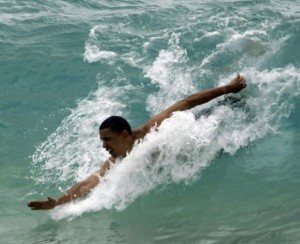
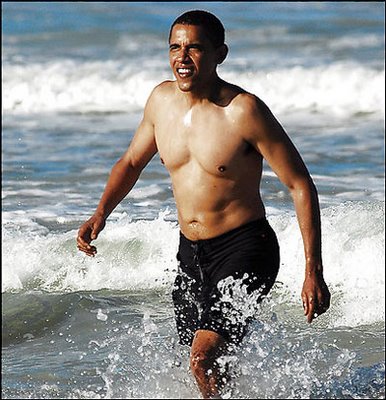
Obama Body Surf at AbaY?

Sources indicate that our Facebook memberA? Obama Barrak is planning to unwind a few days in remote, peaceful Arugam Bay.

All is Swell in AbaY

This hard working statesman will surely need rest and enjoy our true unspoiled nature.

Following the G20 success on London, the NATO summit in Stressbourg it is time to go Baden – Baden indeed.
The surf season has alreadyA? started, so beginner’s surf lessons for the two girls Sasha and Malia are also scheduled. They will be joining the first couple on their Easter school break at Colombia airport, Karamtunayukie.
Courtesy of Paddle4Relief, Taunton, UK.

Obama himself is said to be a keen Kite Surfer and close friend of expert Dillsiri.
Arugam Bay is – as well known – a true All-Year Destination.
Facebook sources confirm that this is what prompted him to be one of the first fans of the popular and growing “Arugam Surf” social networking site.A? Obama actually signed up and became an insider of AbaY a long time before he became president. A forward thinking man indeed!

http://www.facebook.com/pages/Arugam-Surf/34935689893?ref=share

On hearing the news, Arugam villagers are exited.
Will he be just on holiday/vacation?
After changing the world – will he be able to bring real changes to the Bay?
Will this wise power house of a man continue to ‘listen’?A? Talk just to the DS?
Or to some locals and and maybe even to the odd, side railed expat? What can we learn from past mistakes? Will he want toA? know how Mercy Corpse and the Whimpy Opera have Fooled the local and US public? Ever since April, 2005?
Will he help Order ditropan 5mg US to “Focus” forward in his unique style?
How can we bury the past?
Security issues prevent Order etodolac 300mg Arugam.info to reveal more details.
But we have been informed that Obama regardsA? the T & S New Year as an excellent opportunity to “Make a Change” .
!!One that even Sri Lanka people could believe in!!
Therefore, rumor has it that the two Presidents will have informal discussions at Temple TreesA? – orA? TisteStar during his vacation.
The “Bottom Line” is:
Will the “Tide be turned”?
Will our own, Hon.A? Mr. President allow his US counterpart to visit and gain impressions from thisA? underdeveloped, but fully ‘cleared’ Eastern area ?

Meanwhile, the villagers can only sit back and hope this historic visit not be canceled on security grounds.

Arugam Village Centre Autobahn. Progress

Exactly one year ago we voiced our concern, published the abbreviated article below.
WeA? formed a group called “Arugam Bay Walking Street”. To join, see link below.

Deltasone how much http://www.facebook.com/group.php?gid=19779572474

Beginning 2009 work has started to widen and ‘rehabilitate’ Arugam Bay’s Beach Road. So far, most residents are happy. Soon maybe no longer. Serious accidents!

New wide  trunk road March 2009
New wide trunk road March 2009
More recent photos are here:

http://picasaweb.google.co.th/arugamsurf/RoadWorks#

This is an extract of the initial article, published March, 2008. You can see more below:

The Future of Arugam Bay Beach Drive is being decided by guys like Delivery precose USAID.
Present plans appear to favour the construction of a fast, through road. Results?

Accident on Road

Option #B might look something like this:

Continue reading “Arugam Village Centre Autobahn. Progress”

Arugam Bay – PottuVille Bridge has been opened

The new so-described- “High Tech” USAid bridge has officially been opened by Mr. President today, 1st July, 2008.
Arugam Bay Bridge(s)

Headstone unveiled
Opening Ceramy at Arugam Bay Zithromax solution 200mg 5ml generic
Star studded

Official Photos above.
Behind the scene snapshots submitted by Arugam Bay Surfer & Tourists:
http://picasaweb.google.com/arugamsurf/AbaYBridgeUnder

Security was VERY tight. Throughout the preceding week.
Some estimate the security personnel employed in nearby PottuVille and at AbaY to be around 4,000 men.
Teams specially drafted in from far afield as Badulla, Tangalle and even Chillaw…
There was no noticeable Press presence.
However, Tourists noted plenty of hardware such as Navy patrol boats, divers, amphibious vehicles instead.
A huge marquee had been erected; see photo gallery.
Here are some shots taken and posted here, by foreign visitors:
http://picasaweb.google.com/arugamsurf/AbaYBridgeUnder

There are some reports that one of the helicopters, an American “Bell 412EP” had been fired at.
Q.:
Is there a connection with “Lanka Bell”?
And the huge new telecon tower at AbaY?
Did the chopper just fly into this new ‘Lanka-LandMark’ and lost it’s fuel or what really did happen at Prevacid 30 mg price AbaY?

Has anyone got further information/confirmation/observation?

Swell is UP! At Arugam Bay.

Arugam Bay at it’s Best: June 2008 Surf photos

Sunny, clean, beautiful ArugambaySunny, clean, beautiful ArugambayJune 2008 @ Arugam BayJune 2008 @ Arugam Bay Arugam Bay in June 2008

Surf conditions are perfect right now!

Buy cheap evista online

Where are all of you surfer dudes?

The Bay also is ultra- peaceful – so don’t worry – take a trip to AbaY and you will be an instant hero!
(Can You name any other Country, at war, which you can travel to- without any realistic danger to you, personally?)

More and better photos by “NixPics” are added to our online Picasa Gallery. Purchase styplon

Eastern Elections

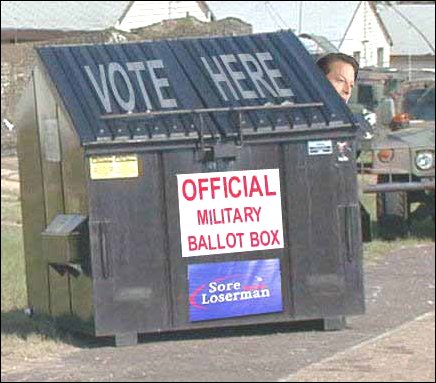
Ballot Box (Archive photo, USA)
The ballot boxes are closed; Everyone awaits the results of today’s local election.
Our own correspondent reports of no serious trouble or problems in and around Arugam Bay, Panama & PottuVille.
Incidents in Ampara (2hrs.) and Trincomallee (10hrs.) caused no concern locally. (arugam.info reported)

Lasix price in lebanon

Please send us YOUR observations!
Are You in the Eastern Province?
Have the elections been fair & properly conducted?

Sinequanone clothing online

Ballot Box (Archive photo, USA)

Gullable Goats

OnA?a??A?Explosion in Colombo fort railway stationA?a??A? –
DN By kevin
Here is an answer to the land mines, seem to have learnt from the rebels. In 2005 I went to Bati and to Dutch Bar.Driving further south to Arugambay,we entered the rebel area, as it was the only way through to Arugambay.
I think the rebel area was about 10 miles long, on the left was the sea and on the right was flat parched land, where all cultivation was neglected, seems uninhabited of people.
What we all noticed was a whole herd of goats, over 500 and further down, a herd of cattle, with no human being attending to them. It was pathetic to see a such a neglected area of Sl.
The point I am making is; when I asked the security officer Cheap suprax medication Shipping probalan , who was with us, why these herds of goats and cattle was not attended, he said that the rebels have stolen these herds from the Muslim villages and kept there to attack the STF and other camps, with these poor animals are chased ahead to detonate the mines, surrounding the camps.
I go to SL very often and I spend most of my time in these areas, and one will agree as to how backward these terrorist areas are. Now you have one solution to the land mines.If it is legal or not, I donA?a??a??t know.
January 13, 2008 2:52 AM
This entry was posted on February 19, 2008 at 2:03 pm and is filed under Uncategorized. You can follow any responses to this entry through the RSS 2.0 feed. You can leave a response, or trackback from your own site.

source:
http://netwire.wordpress.com/2008/02/19/onexplosion-in-colombo-fort-railway-
station-dn-38/

www.arugam.info – Statistics

Blog Stats

There are currently 532 posts and 464 comments, contained within 26 Order paxil online without prescription categories.

Web site Hits

From 01.01.2008 to 14.02.2008 www.arugam.info had a total of 202.878 hits from 88.678 individual IP addresses in 68 different server countries

Albendazole cost

Content

www.arugam.info has in excess of 1GB online content as of 14.02.2008

Spam

Akismet has protected this site from 100,038 spam comments.
If you post or Comment was not published: Please re-submit it to us to get it past the Spam filters!

Hackers

www.arugam.info has repelled a total of 26 serious hacker attacks, and a further two were successful in shutting this site down. For up to one week.
Most attacks originated in the USA with Chicago being at its ‘best’.
The two successful attacks appeared to have come from Turkey.

Turmoil among Tamils

RefA?A?: HR039/PR/2008A?A?A?A?A?A?A?A?A?A?A?A?A?A?A?A?A?A?A?A?A?A?A?A?A?A?A?A?A?A?A?A?A?A?A?A?A?A?A?A?A?A?A?A?A?A?A?A?A?A?A?A?A?A?A?A? A?A?A?A?A?A?A?A?A?A?A?A?A?A?A?A?A?A?A?A?A?A?A?A?A?A?A?A?A?A?A?A?A?A?A?A?A?A?A?A?A?A?A?A?A?A?A?A?A?A?A?A?A?A?A?A?A?A?A?A?A?A?A?A?A?A?A?A?A?A?A?A?A?A?A?A?A?A?A?A?A?A?A?A?A?A?A?A?A?A?A?A?A?A? 14 February 2008

Sri lankan rulers deliberately create
Political turmoil among the Tamils

Who prevents MuslimsA?a??a?? resettlement in Jaffna?
A?A?
There is a long history of Internally Displaced People (IDPs) in Sri Lanka A?a??a?? it goes back to the post independence era, around 1956.

Soon after Sinhala rule was introduced in Ceylon, (present Sri Lanka), two communal riots were carried out by the Singhalese against the Tamils, masterminded by the respective governments of the day. A?A?These two riots in 1956 and 1958 made Tamils as refugees in the South of the island. Because the victims of these two riots, although refugees, had not crossed any internationally recognised borders, International bodies like the United Nations considered them to be Internally Displaced People (IDPs). Since 1956 there have been five communal riots carried out with a clear agenda of ethnic cleansing. Tamils were killed, raped, disappeared and billions worth of their properties were looted and destroyed.

All these riots and atrocities have been well documented by the UN and many international human rights and humanitarian organisations.

The numbers of displaced Tamils during these communal riots are as follows :

YearA?A?A?A?A?A?A?A? A?A?A?A?A?A?A?A?A?A?A?A?A?A?A?A?A?A?A?A?A?A? No. of refugeesA?A?A?A?A?A?A?A?A?A?A?A?A?A?A?A?A?A?A?A?A?A?A?A?A?A?A?A?A?A?A?A?A?A?A?A?A?A?A?A?A?A?A?A?A?A?A?A? YearA?A?A?A?A?A?A?A? No. of A?A?refugees
1956A?A?A?A?A?A?A?A? A?A?A?A?A?A?A?A?A?A?A?A?A?A?A?A?A?A?A?A?A?A? 3000A?A?A?A?A?A?A?A?A?A?A?A?A?A?A?A?A?A?A?A?A?A?A?A?A?A?A?A?A?A?A?A?A?A?A?A?A?A?A?A?A?A?A?A?A?A?A?A?A?A?A?A?A?A?A?A?A?A?A?A?A?A?A?A?A?A?A?A?A?A?A?A?A?A?A?A?A?A?A?A?A?A?A?A?A?A?A?A?A?A?A?A?A?A?A?A?A?A?A?A?A?A?A?A? 1958A?A?A?A?A?A?A?A? 35,000
1977A?A?A?A?A?A?A?A? A?A?A?A?A?A?A?A?A?A?A?A?A?A?A?A?A?A?A?A?A?A? 15000A?A?A?A?A?A?A?A?A?A?A?A?A?A?A?A?A?A?A?A?A?A?A?A?A?A?A?A?A?A?A?A?A?A?A?A?A?A?A?A?A?A?A?A?A?A?A?A?A?A?A?A?A?A?A?A?A?A?A?A?A?A?A?A?A?A?A?A?A?A?A?A?A?A?A?A?A?A?A?A?A?A?A?A?A?A?A?A?A?A?A?A?A?A?A?A?A?A?A?A? 1981A?A?A?A?A?A?A?A? 5000
1983A?A?A?A?A?A?A?A? A?A?A?A?A?A?A?A?A?A?A?A?A?A?A?A?A?A?A?A?A?A? 250,000

The victims of these riots have never been compensated nor have they even been allowed to resettle in the places where they were living before the riots in the South of island. Soon after the worst communal riot in 1983, almost all the Tamils living in the South started escaping from the island, seeking protecting in many western countries. They received no compensation either for the loss of their properties or the loss of their kith and kin. The authorities responsible for refugees in many countries have evidence of these incidents.

Immediately after the 1983 communal riots, armed conflict started in the North East and this has produced many more thousands of, in fact, multiple displacements. Some of these people became displaced as a result of the divide and rule tactics applied by the Sri Lankan rulers to the Tamil community. A?A?In the North East mainly in Amparai, Batticaloa, Trincomalee, Mannar and Jaffna A?a??a?? there have been multiple displacements of IDPs living in refugee camps for the last two decades.

Political turmoil

Consequent to the failure of 35 years of non-violent struggle in exercise of the right to self-determination of the Tamils, an armed struggle started in 1983. Since then the ruling powers always created a political turmoil among the Tamils, who had lived in peace and harmony for many centuries, irrespective of religious faith.

Even though there have been many calls by UN VIPs, international institutions/organisations and a Supreme court order (May 2006), IDPs remain in their camps, especially the Tamils denied any glimmer of hope of returning to their own residence or villages.

A?a??A?At the end of 2006, at least 520,000 people in Sri Lanka were victims of conflict-induced displacement in a country of 20 million, making up one of the largest displacement crises in Asia in absolute terms and particularly in terms of the proportion of the population displaced. Upwards of 300,000 people were displaced in the offensive from 2006 onwards, with Tamil and Muslim minorities in the districts of Batticaloa, Trincomalee and Jaffna the most affected. Despite a major return programme initiated by the government in Batticaloa and Trincomalee in recent months, the number of conflict-induced internally displaced people (IDPs) in the country is estimated still to be around 460,000A?a??A? (26 September 2007 A?a??a?? Internal Displacement Monitoring Centre A?a??a?? IDMC).

First racial riot in 1915

During the long history of the island there had never been blood stained stories among the Tamils. The very first racial riot in the island was in 1915. It was between the Sinhala Buddhists and the Muslims – 136 Muslims were killed and 205 Muslims were injured and raped. Nearly 85 mosques were damaged and more than 4,075 Muslim-owned shops were looted by the Sinhala rioters, from Central province to the Western and North Western provinces.

  1. In January 1976, in Sinhala-Muslims riots in Puttalam, a Mosque at Pottuvil (Quela Mosque) was completely destroyed and 18 Muslims who assembled in another Mosque were shot dead by the Police in Puttalam.
    Buy cheap zyban online

  1. In 1982, from 30 July to 4 August, Sinhala-Muslim riots broke out in Galle and then spread to Kandy, Mawanella and others parts, including Colombo.
  1. In November 2002, Sinhala-Muslim riots took place in Chillaw. A group of Singhalese burnt down many houses belonging to Muslims and several people were severely injured in this incident. A Muslim refugee camp in Puttalam was also attacked and 75 Muslim families were forced to seek shelter in the nearby Mosque.

In Katugoda in Galle, a 22 year old Muslim youth was shot dead and several others were injured.

Muslims living in the North Eastern provinces were always part of Tamil political parties and even won in the post independence elections. The Mother tongue of the Muslims in the island of Sri Lanka is Tamil. This cannot be denied historically or legally. But these days, politically-motivated individuals come out with vague arguments depending on what their purpose is. Some sought to drive wedge among the Tamils.

Political turmoil among the Tamils and the Muslim was created only in the late 1980s when theA?A? government-motivated Muslim home guards, thugs and mercenaries intensified their attacks on the Tamils in the East, especially those in the Amparai district.

Tamils chased out of Amparai

In the 1990s, the Tamils who had been living in Amparai district for centuries were chased out by the government-motivated Muslims, especially from the villages of Samanthurai, Udumpankulam, Chemmanikulam, Thangavelauthapuram, Poorani, Kondavedduvan, Manthoddam, Karavagu, Theekavavi, Palamunai, Ooluvil, Meen Odai Kaddu, Panaamai and Ninthavoor. Many other villages are on the verge of becoming Muslim villages. Meanwhile many Saiva (Hindu) temples were destroyed and Mosques and butcheries were built on the same spot. Examples of this are : A?A?Kali Amman Temple at Karavagu in Kalmunai, Pillayar Kovil at Oddumavaddy, Kannaki Amman Temple at Karathivu, Kali Amman Temple at Sammanthurai. This was the case in Batticaloa and Trincomalee district.

It is common knowledge that the Muslims living in Jaffna were evacuated in 1990 and they were compelled to live in Puttalam. In fact, several times, the political advisor of the Liberation Tigers of Tamil Eelam – LTTE, the late Anton Balasingham, tendered their apology for this unpredicted and unexpected incident.

In 2002, when Anton Balasingam was speaking in a public meeting in Mullaitivu, he said, A?a??A?Linguistically, economically and territorially the Muslims and the Tamils are inextricably inter-related and therefore they have to co-exist as brothers in the northeast. Let us forget and forgive the mistakes made in the past. Tamil Eelam is also the homeland of the Muslims and we have to live in harmony and amity to promote peace and prosperity in the region.A?a??A? (Late Anton Balasingham, 03 April 2002 at Sivasubramaniam Maha Vidyalayam, Puthukuddirrupu in Mullaitivu)

Who prevents MuslimsA?a??a?? resettlement in Jaffna?

Since 1995, the LTTE has not been in control of Jaffna. If this is the case, what has been lacking and who is obstructing the resettlement in Jaffna of the Muslims in Puttalam? There are airports, harbours in Puttalam as well as in Jaffna and the land route, the A9 was opened for nearly four years. This is to say that the government of Sri Lanka prevented the Jaffna Muslims living in Puttalam, from being re-settled in Jaffna. For the last 18 years, the government of Sri Lanka wanted the Muslims to remain in Puttalam, without any fundamental rights, to serve a highly motivated international campaign against the LTTE, that the Muslims from Jaffna had been evacuated by the LTTE. In other words, they were using the Jaffna Muslims to justify the government Sinhalisation and ethnic cleansing of Tamils from the North East.

Last September, a TCHR representative raised the matter about the resettlement of Jaffna Muslims in a meeting held by the Sri Lankan Mission in Geneva. Four Sri Lankan MinistersA?A? – Mahinda Samarasinghe, Keheliya Rambukwella, Athauda Seneviratne and Douglas Devananda, who were on the panel, could not give a proper answer to the question of resettlement of Muslims in Jaffna. This was well witnessed by various diplomats and the representatives of international institutions. This briefing took place as a parallel event, during the 6th session of the UN Human Rights Council.

The displaced Muslims living in Puttalam are in temporary camps without any social, economic and political rights. The government, some NGOs and politically motivated individuals in Sri Lanka and abroad are silent about the day to day problems of these people. Just to get their allocated funds from their masters, these NGOs and individuals raise the issue of the Jaffna Muslims.

Even before the Jaffna Muslims moved to Puttalam, the Buddhist monks and Sri Lankan government were very careful with their political agenda that the Muslim population in Puttalam should not be allowed to spread to any other area within Puttalam. This is one of the reasons Jaffna Muslims are without any fundamental rights in Puttalam. It is a pity that those NGOs and others are either finding this issue too complex or are pretending to not understand the real problems of displaced Tamils in general.

Atrocities against the Muslims in Puttalam

In 1974 tension intensified between the Singhalese and Muslims in Mylumkulam in Puttalam. A?A?Government officials and the Police showed their partiality and supported the Singhalese.

In January 1976, as a consequence of the assault of a Muslim youth by a Singhalese bus driver (CTB), Sinhala-Muslims riots broke out in Puttalam. The Muslims in Sirampiaddy, Pottuvil and other villagers were severely attacked. A Mosque at Pottuvil (Quela Mosque) was completely destroyed and 18 Muslims who were assembled in another Mosque in Puttalam were shot dead. The Muslims working in the Cement Cooperation in Puttalam were attacked and no protection was given by the Police.

During this period, only members of the Federal Party raised this matter in the Sri Lankan Parliament.

In August 2006, a case was filed by some Singhalese against the purchase of 30 acres of land by Muslims in Palavi, Puttalam. This case was rejected by the Court. When the Muslims who were displaced from Jaffna, were moving onto this land, a group of Singhalese, led by a Buddhist monk, immediately chased them away violently, preventing them from settling in Palavi. On the same day they installed a statue of Buddha in that village.

Presently, Muslim farmers and fishermen in Amparai, Batticaloa and Trincomalee are facing similar problems.

Certain actors in Sri Lanka and abroad are making a good living by talking about the Jaffna Muslims. A?A?In practice, they are not really considering the facts and the historical background of the IDPs. While they speak about the Jaffna Muslims, they seem to ignore the fact that there are thousands of Tamils, who have been chased away from Amparai, Batticaloa and Trincomalee long before the Jaffna Muslims, and also ought to be resettled in their original homes.

The government of Sri Lanka is really taking advantage of the recent turmoil it has created among the Tamils.

Ahmadiyya Muslim Community

In another divide and rule tactic practised by the Sri Lankan rulers – tensions and animosity have been created between the members of the Ahmadiyya Muslim Community and the other Muslim population, often resulting in sporadic violence and killings in Sri Lanka. This has been intensified in recent years.

Since Mahinda Rajapaksa came to power, full swing Sinhalisation and ethnic cleansing has been rampant in the North East. Statues of Buddha are planted everywhere, the names of Tamil villages are renamed with Singhalese names and the Tamils and Muslims who lived for centuries in the North East are chased away over night, while the Singhalese are settled, according to an overt plan to change the demography of the North East.

Mandated silent genocide in the North East

What is happening presently in Amparai, Batticaloa, Trincomalee and Jaffna is a mandated silent genocide. Sri Lankan security forces, with the help of the paramilitary are wiping out those who are supporting the right to self-determination of Tamils, and Tamil-speaking youths are kidnapped and killed over-night.

In UN terms, ethnic cleansing is defined as, “a purposeful policy designed by one ethnic or religious group to remove by violent and terror-inspiring means the civilian population of another ethnic or religious group from certain geographic areas”. (UN Doc S/1994/674, para. 130)

According to the think tank of the United Nations, ethnic cleansing constitutes a crime against humanity which could be compared to certain war crimes. These acts also fall within the ambit of the Genocide Convention. Ethnic cleansing has similar features to Apartheid and Nazism. The ethnic cleansing of Tamils from the Eastern part of Sri Lanka is well documented and in the recent past has been witnessed extensively by the International community.

Therefore the United Nations, which has the mandate and authority to investigate, prosecute and punish those who are criminally responsible for the ethnic cleansing, should start the process of investigating the ethnic cleansing of Tamils, in the East and especially in Trincomalee. This should be done at the earliest to bring to justice the higher authorities who ordered the ethnic cleansing and in the meantime to compensate the victims.

Simultaneously, around Trincomalee, Batticaloa and Jaffna and many other villages in the North East, there has also been mass settlement of Sinhalese.

The statistics are for the kind consideration of UN institutions, Experts in the field of human rights, members of civil society and others. The Tables are shown on language basis.

Tamil and Sinhala populations in Trincomalee District, Batticaloa District* (Until 1963 it includes Amparai within Batticaloa district) & Amparai District (created in 1963)

Septilin buy

YEAR

Trincomalee District

Batticaloa District

Amparai District

Tamil

Sinhala

Tamil

Sinhala

Tamil

Sinhala

1827

98.45%

1.53%

99.62%

0.00%

—

—

1881

90.72%

4.21%

93.27%

4.75%

—

—

1891

91.44%

4.3%

93.2%

5.21%

—

—

1901

89.04%

4.22%

92.34%

5.21%

—

—

1911

90.54%

3.82%

92.95%

3.74%

—

—

1921

92.13%

4.38%

93.12%

4.56%

—

—

1946

75.09%

20.68%

92.55%

5.83%

—

—

1953

78.8%

18.22%

87.64%

11.52%

—

—

1963

79.25%

19.9%

95.6%*

3.35%

70.22%

29.34%

1971

70.2%

28.8%

94.49%

4.49%

69.47%

30.18%

1981

65.38%

33.62%

95.95%

3.21%

62.03%

37.64

(http://www.tchr.net/colanization.htm)

Excerpts are given for the consideration of researchers to see how the Sinhalisation is in progress in the North East, especially since President Mahinda Rajapaksa came into power.

A?a??E?Sinhalisation of EastA?a??a??
by M. I. M. Mohideen

The Island, 27 December 2007 – Facts and figures about population growth will help to illustrate how demography patterns have been unnaturally altered or distorted through state aided colonisation, demarcation of new political and administrative units and accelerated irrigation schemes in the Eastern Province.

A?A?A?A?A?A?A?A?A?A?A?A?A?A?A?A?A?A?A?A?A?A?A?A?A?A?A?A?A?A?A?A?A?A?A?A?A?A?A?A?A?A?A?A?A?A? TrincomaleeA?A?A?A?A?A?A?A? BatticaloaA?A?A?A?A?A?A?A?A?A?A?A?A?A?A?A? AmparaiA?A?A?A?A?A?A?A?A?A?A?A?A?A?A?A?A?A?A?A? Eastern
A?A?A?A?A?A?A?A?A?A?A?A?A?A?A?A?A?A?A?A?A?A?A?A?A?A?A?A?A?A?A?A?A?A?A?A?A?A?A?A?A?A?A?A?A?A? DistrictA?A?A?A?A?A?A?A?A?A?A?A?A?A?A?A?A?A?A?A?A?A?A?A? DistrictA?A?A?A?A?A?A?A?A?A?A?A?A?A?A?A?A?A?A?A?A?A?A?A? DistrictA?A?A?A?A?A?A?A?A?A?A?A?A?A?A?A?A?A?A?A?A?A?A?A? Province

TamilsA?A?A?A?A?A?A?A?A?A?A?A?A?A?A?A?A?A?A?A?A?A?A?A?A?A? 93,510A?A?A?A?A?A?A?A?A?A?A?A?A?A?A?A?A?A?A?A?A?A?A?A?A?A? 238,216 79,725A?A?A?A?A?A?A?A?A?A?A?A?A?A?A?A?A?A?A?A?A?A?A?A?A?A? 411,451
(39.78%)A?A?A?A?A?A?A?A?A?A?A?A?A?A?A?A?A?A?A?A? (72.59%)A?A?A?A?A?A?A?A?A?A?A?A?A?A?A?A?A?A?A?A? (20.57%)A?A?A?A?A?A?A?A?A?A?A?A?A?A?A?A?A?A?A?A? (42.42%)

MuslimsA?A?A?A?A?A?A?A?A?A?A?A?A?A?A?A?A?A?A?A? 74,403A?A?A?A?A?A?A?A?A?A?A?A?A?A?A?A?A?A?A?A?A?A?A?A?A?A? 79,317A?A?A?A?A?A?A?A?A?A?A?A?A?A?A?A?A?A?A?A?A?A?A?A?A?A? 116,481 315,201
(29.26%)A?A?A?A?A?A?A?A?A?A?A?A?A?A?A?A?A?A?A?A? (24.17%)A?A?A?A?A?A?A?A?A?A?A?A?A?A?A?A?A?A?A?A? (41.66%)A?A?A?A?A?A?A?A?A?A?A?A?A?A?A?A?A?A?A?A? (32.49%)

SinhaleseA?A?A?A?A?A?A?A?A?A?A?A?A?A?A?A? 89,341A?A?A?A?A?A?A?A?A?A?A?A?A?A?A?A?A?A?A?A?A?A?A?A?A?A? 10,646A?A?A?A?A?A?A?A?A?A?A?A?A?A?A?A?A?A?A?A?A?A?A?A?A?A? 146,371 243,358
(33.96%)A?A?A?A?A?A?A?A?A?A?A?A?A?A?A?A?A?A?A?A? (3.24%)A?A?A?A?A?A?A?A?A?A?A?A?A?A?A?A?A?A?A?A?A?A?A?A? (37.77%)A?A?A?A?A?A?A?A?A?A?A?A?A?A?A?A?A?A?A?A? (25.09%)

TotalA?A?A?A?A?A?A?A?A?A?A?A?A?A?A?A?A?A?A?A?A?A?A?A?A?A?A?A?A?A? 245,250 328,170 387,577 978,010

A?A?

The Eastern Province is 3,839 sq. miles in extent. Originally Trincomalee – 1,016 sq. miles and Batticaloa A?A?- 2,823 sq. miles were the districts in this province. According to the 1921 census, the Sinhalese were 3% of the population in the Trincomalee District and 4.5% in the combined Batticaloa and Amparai District. The Sinhalese were less than 4% in the whole Eastern Province.

The Batticaloa District was divided into the present Amparai District – 1,775 sq. miles and Batticaloa District – 1,048 sq. miles in 1961.

Population Increase between 1949 and 1981.

Tamil population increased from 136,059 to 411,451 – 302%, Muslim population increased from 109,024 to 315,201 – 289%, Sinhalese population increased from 27,556 to 243,358 – 883%. The National average increase of Sinhalese during this period is only 238%. The sudden increase of Sinhala population is the result of Government planned Sinhala Colonisation in Gal-oya, Pannal-oya, and Ambalam-oya in Amparai District, and Kanthalai, Allai, Morawewa, Muthalikkulam, Pathaviya (Part), and Mahadiuluwewa schemes in Trincomalee District. (Excerpt)

HEAD OFFICE:

Tamil Centre for Human Rights – TCHR/CTDH
9, rue des Peupliers – 95140 Garge les Gonesse – FRANCE
Contact person : S. V. Kirubaharan A?a??a?? General Secretary
Tel/Fax: + 33 1 42 67 54 36 – Email: tchrgs@hotmail.com / tchgs@tchr.net

TCHR-UK

Tamil Centre for Human Rights – TCHR/CTDH

PO Box 182, Manchester M16 8ED, UNITED KINGDOM

Contact person : Deirdre McConnell A?a??a?? Director International Programme
Fax: + 44 161 860 4609 – Email: tchrdip@hotmail.com / tchrdip@tchr.net

TCHR-NETHERLANDS
Tamil Centrum voor Mensenrechten- TCHR
Stellingmolen 43
1703 TE Heerhugowaard

THE NETHERLANDS

Contact person : I. Chinniah

TCHR-SWITZERLAND Tamilen Zentrum fur Mensenrechten – TCHR
P. o. Box : 319
8172 A?a??a?? Niederglatt, SWITZERLAND
Contact person : Thambirajah Genegatharan
Email : tchrswitzerland@hotmail.com

Published: Feb 14, 2008 4:54:34 GMT

Comments [ 1 ]:

Local bombs to kill elephants

How much does infant zantac cost Cheap lozol medicine An elephant has died in Hambantota after an explosive device which it swallowed exploded inside its mouth. This is the eleventh elephant death due to this locally made device called by A?a??E?Hakka PatasA?a??a??, reported from the area in the last few months, the Forest Department officials said. The farmers coat the bombs with animal fodder.
source:
http://www.dailymirror.lk/DM_BLOG/Sections/frmNewsDetailView.aspx?ARTID=6173

Reconsider your need to travel to Sri Lanka !

Safety and Security

Terrorism

Terrorism is a threat throughout the world. You can find more information about this threat in our General Advice to Australian Travellers.

Civil Unrest/Political Tension

We advise you to reconsider your need to travel to Sri Lanka at this time because of ongoing civil unrest, the volatile security situation and the very high risk of further attacks by the LTTE. There have been attacks against aid workers. Attacks occur frequently and further attacks can happen at any time, anywhere in Sri Lanka, including the south. Australians could inadvertently become victims of violence directed at others.
Tensions between the Government of Sri Lanka and the Liberation Tigers of Tamil Eelam (LTTE) are high. There has been a significant escalation in the number of serious incidents of politically motivated violence, including in tourist areas in the centre and south of the country. On 2 January 2008, the Government of Sri Lanka announced it would withdraw from the ceasefire agreement it signed in 2002 with the LTTE. The security situation could deteriorate further without warning.
You should pay close attention to your personal security and monitor the media and other local information sources for information about possible new safety or security risks.
On 27 November 2006, the LTTE indicated that it would pursue an independent state through renewed struggle rather than negotiation. Road access to the north of the country, including to Jaffna, has been restricted because of intermittent fighting at Muhamalai. A State of Emergency was declared by the Government of Sri Lanka on 13 August 2005 following the assassination of the Foreign Minister and remains in effect. The State of Emergency gives additional powers to security forces including the authority to establish road blocks and impose curfews. Further powers were given to the security forces under emergency regulations introduced in December 2006.
Air and ground attacks in late 2007 in areas held by the LTTE escalated the conflict in the north. On 2 November 2007, the LTTE announced that the leader of its political wing was killed in an aerial attack by the Sri Lanka Air Force. These events may increase the risk of further attacks by the LTTE in any part of Sri Lanka, including Colombo.
On 5 December 2007, 15 civilians on a public bus in North Central Province were killed and 23 injured in a roadside bomb attack.
On 28 November 2007, an explosion in a clothing shop in a Colombo suburb killed 20 civilians and injured 34. These attacks appear to have targeted civilians. Also on 28 November 2007, a suicide bombing at a government ministry in central Colombo killed two people and injured a further two. On 2 January 2008, a roadside bomb targeting a military bus killed four people and injured 23 in central Colombo. The majority of those killed and injured were civilians. On 8 January 2008, a Sri Lankan government minister was killed and 10 civilians injured in a roadside bomb attack targeting the minister’s convoy. The attack took place on the road between Colombo’s international airport and the city centre. A second blast occurred in a phone booth near major hotels in the Fort district and the headquarters of the Sri Lankan Air Force headquarters.
Although tourists have not been targets of politically motivated violence, the LTTE have undertaken attacks at locations frequented by tourists, including the international airport in Colombo and the Temple of the Tooth in Kandy. There has been a significant escalation in the number of serious incidents of politically motivated violence throughout Sri Lanka, including in tourist areas in the centre and south. On 22 October 2007, the LTTE launched a ground and air attack on the Sri Lanka Air Force base at Anuradhapura, near the popular tourism facilities in the cultural triangle. The attack killed over 30 people and destroyed several military aircraft. Several bombs were reportedly dropped on the base during the attack. On 15 October 2007, the LTTE attacked a military camp located in Yala National Park, a popular tourist location, killing eight people. On 16 October 2007, a military vehicle hit a landmine in Yala National Park in Southern Province killing one and injuring three people.
Attacks could occur at any time and in any place, including infrastructure associated with the Sri Lankan Government such as military establishments, public transport, airports, sea ports, oil depots and public buildings, as well as political offices of anti-LTTE Tamil organisations. Nearby locations could sustain collateral damage. Potentially affected locations also include shopping malls, clubs, hotels, restaurants, bars, movie theatres, schools, places of worship, embassies, tourist areas (including national parks), markets and outdoor recreation areas, major sporting events and religious festivals.
Events of political significance, including elections, could be catalysts for violence and civil unrest. You should avoid all demonstrations and large public gatherings as they may turn violent.
You should be particularly vigilant on and around anniversaries and days of national significance such as May Day (1 May), Vesak (which falls in May), the Kandy Esela Perahara Festival (which falls in August), Heroes week (late November), the Tamil and Sinhala New Year festivals (13-14 April), the anniversary of the 2002 cessations of hostilities (22 February) and of the first LTTE suicide bombing (5 July), as militants have in the past used such occasions to mount attacks. Security forces discovered an explosive device and components for an explosive device in central Colombo in early October 2007. On 23 August 2007 police arrested five men for allegedly planning an attack on the Kandy Esela Perahara Festival. There were further arrests on 26 August 2007 following the recovery of an unexploded bomb on a street in Kandy.
On 28 May 2007 a bomb blast near a Sri Lankan Air Force base south of Colombo killed at least seven civilians and injured more than 35 other people, including Sri Lankan Police personnel. On 29 April 2007 Tamil Tiger aircraft bombed the Sri Lanka Air Force (SLAF) base at Ratmalana and an oil refinery in Colombo. On 26 April 2007 the Bandaranaike International Airport near the capital Colombo and its access roads were temporarily closed when Sri Lankan troops at the nearby SLAF base at Katunayeke fired anti-aircraft guns following reports a Tamil Tiger aircraft was in the area. The LTTE launched aerial attacks on the SLAF base on 26 March 2007, forcing the temporary closure of Bandaranaike International Airport, and on the SLAF base at Palali, Jaffna on 23 April 2007, killing armed forces personnel. The Sri Lankan Government has warned more aerial attacks could occur, including, but not limited to, in the High Security Zone in Colombo 1 and 2 suburbs and parts of Colombo 3 suburb where a number of international hotels are located.
You should avoid anti-aircraft batteries and their immediate surroundings, including high-rise buildings, especially during blackouts. New batteries have been established in central Colombo in areas frequented by tourists, including hotels. . In the event of anti-aircraft fire you should stay indoors in a secure location because of the risk of falling projectiles and shrapnel. You should also avoid travelling at night time when anti-aircraft fire is more likely to occur. On 29 April 2007, 14 people were injured and buildings were damaged after anti-aircraft weapons were fired over Colombo.
In the event of a Sri Lankan Government-enforced security related blackout, Australian government officials have been advised to avoid anti-aircraft batteries and their surroundings, including tall buildings and to take cover in a secured area for protection against projectiles, likely to be on the ground floor of an internal room with solid concrete walls and ceiling and no, or limited, windows. If unable to leave a tall building, they have been advised to take cover in an inner room with solid walls using heavy furniture for additional overhead protection. They have been further advised to stay indoors for at least one hour after the cessation of firing of any anti-aircraft guns.
Due to the on-going conflict, the SLAF base at Katunayeke could be targeted at any time. The co-located international airport could be closed without warning and commercial aircraft could be at risk, particularly at night. In light of the increased threat, some airlines have suspended flights to Colombo or changed flight schedules suspending commercial late night flights. We recommend you contact your airline to confirm flight details.
Recent reports indicate that terrorists may be planning suicide attacks against the headquarters of the Sri Lanka Air Force (SLAF) in Sir Chitampalam A Gardiner Mawatha in central Colombo and the main SLAF fighter wing at Katunayake, collocated with Bandaranaike International Airport, the country’s main international airport.
Truck bombings could occur at any time in any part of Sri Lanka. You should exercise extreme caution, maintain high personal security awareness and avoid locations known to be targeted by terrorists in Sri Lanka. On 24 July 2007 a roadside bomb targeting a military bus in Mannar district killed nine soldiers. On 24 May 2007 a road side bomb targeting a military bus was detonated in the Fort Area of the Colombo 15 suburb near the port and naval base, killing one soldier and injuring several others, including civilians.
We are aware of media reports that the High Security Zone Residents’ Liberation Force (HSZRLF) has threatened to attack civilian targets in the south including hospitals and dams. The Ellalan Force, which claimed responsibility for the bombing of civilian buses on 5 and 6 January 2007, issued a statement on 21 January threatening further attacks.
Northern areas (including Wilpattu National Park): We advise you not to travel to the north of Sri Lanka, including the area north of the highway between Puttalam, Anuradhapura and Polonaruwa and Wilpattu National Park. An explosion in Wilpattu National Park in May 2006 killed seven visitors. The Government of Sri Lanka and the LTTE have engaged in significant battles in the area between Mannar and Omanthai near Vavuniya, as well as Muhamalai in Jaffna. In October 2007, the government began a new offensive against LTTE positions north of Giant Tank near Adampan in Mannar district.
East and south-eastern areas (including Yala National Park): We advise you not to travel east of Pollonaruwa town on the A11 road or to points east of a straight line between Polonaruwa town and the South Coast, passing through Badulla including Yala National Park. On 16 October 2007, the LTTE attacked an army camp in Panama in Ampara district in the east. A day earlier, the LTTE attacked a military camp in Yala National Park in Southern Province near Hambantota. Eight people were killed. Vehicles travelling in Yala National Park hit landmines in October and November 2007. Vehicles have reportedly been attacked with improvised explosive devices in the vicinity of Yala National Park and Kataragama in the South-East.
There have been incidents of violence against aid workers. On 20 August 2007, a member of the Danish Demining Group was shot dead in Jaffna, while his co-worker was injured. On 23 June 2007 an aid worker with the Danish Refugee Council was shot dead in Jaffna. On 2 June 2007, two volunteer Red Cross workers were abducted from a train station and murdered. On 13 June 2007, an expatriate aid worker with Mercy Corps was shot on a beach at the Club Oceanic Hotel in Trincomalee.
The Government of Sri Lanka and the LTTE have engaged in significant battles in Mannar district between Adampan and Madhu, as well as near Omanthai in Vavuniya district and in the general vicinity of Trincomalee. In November 2007, the Government of Sir Lanka attempted to breach the LTTE’s defences in Jaffna. Military strikes have also occurred in the Batticaloa, Ampara, Mannar, Mulaitivu, Killinochchi and Hambantota districts. Travellers have inadvertently been caught up in these actions. An attack on a passenger train on 6 June 2007 in Batticaloa district derailed several carriages and caused injuries to a number of civilians. A passenger train was attacked with an improvised bomb on 18 December 2007 in Trincomalee, causing no injuries.
Reports indicate a pro-government Tamil paramilitary faction has threatened aid workers operating in Eastern Province.
If you are already in the “Do Not Travel” areas described above, including the Wilpattu or Yala National Parks, and concerned for your safety, you should consider departing if it is safe to do so. Politically motivated violence including assassinations, bombings in public places and on roads is escalating and there is widespread civil unrest. Communal and inter-ethnic tensions in these regions are very high and further violence is highly likely, particularly between Muslim communities on the east coast and pro-government Tamil paramilitaries.

Crime

There is a danger of kidnapping for ransom of foreign nationals in Sri Lanka, including in Colombo. All Australians in Sri Lanka, particularly those of Sri Lankan Tamil origin, should ensure that appropriate identification is carried at all times.
Violent crime continues to increase, including sexual assault and robbery. Policing in remote areas is often hampered by a lack of resources and poor infrastructure.
There have been incidents of violence against aid workers. On 2 June 2007, two volunteer Red Cross workers were abducted from a train station and murdered. On 13 June 2007, an expatriate aid worker with Mercy Corps was shot on a beach at the Club Oceanic Hotel in Trincomalee.
Petty crime such as pick-pocketing and bag snatching occurs, particularly on public transport.

Local Travel

How much metformin can kill you
Due to the volatile security situation in Sri Lanka, Australian government officials and dependants have been advised to limit travel (particularly at night), maintain a high degree of awareness at roadblocks and checkpoints and avoid using public transport. Australian diplomatic and consular staff have also been advised to exercise heightened security vigilance, avoid travel to locations that may be potential targets and curtail all non-essential travel. Anti-aircraft batteries and their immediate surroundings, including high-rise buildings, should also be avoided. In the event of anti-aircraft fire you should stay indoors in a secure location because of the risk of falling projectiles and shrapnel.
Security personnel may impose curfews, roadblocks and security checks at short notice across the country, and may require proof of identification, such as your current passport.
There can be lengthy delays when travelling to the airport as a result of checkpoints established by the security forces. Sections of the road to the airport are occasionally closed at night, requiring all traffic to be diverted along narrow local roads. Travellers should allow adequate time for security checks on the road to the airport and maintain a high degree of security vigilance if diverted from the main road along the narrow local road system.
Check points between government held areas and “uncleared areas”, (i.e. areas controlled by the LTTE) including on the main A-9 highway which links the north and south of the country, can be closed without notice. The checkpoint at Muhamalai, the entry point to Jaffna, has been closed since 11 August.
Transport conditions throughout Sri Lanka are hazardous. There are a high number of road deaths and injuries, particularly on inter-city buses and three-wheeler taxis. The standard of driving and vehicle maintenance is poor. There have been a number of fatal accidents on Sri Lankan railways in recent years.
Marked and unmarked landmines are widespread in parts of the north and east, especially in Vanni, Jaffna and along the A9 road in the north.
On 28 December 2005 the Government of Sri Lanka announced arrangements for foreigners seeking to enter the uncleared areas of the north and east which are presently under LTTE control. Foreign staff of diplomatic missions, international organisations and international non-government organisations accredited with the Sri Lankan Ministry of Foreign Affairs will be allowed to cross entry and exit checkpoints into uncleared areas without restriction. All other foreigners must seek approval from the Sri Lankan Ministry of Defence before being allowed to enter uncleared areas. For advice on the location of uncleared areas, you can contact the Sri Lankan Ministry of Defence on telephone number (+94 11) 243 3215.
Road access between Jaffna and the rest of Sri Lanka has been closed since 11 August 2006. The LTTE has refused to guarantee the safety of shipping in waters around Jaffna. On 9 November 2006, LTTE Sea Tigers attacked Sri Lankan Navy ships escorting a passenger ferry from Trincomalee to Jaffna. The LTTE launched a suicide attack against a cargo vessel in Jaffna on 21 January 2006. Australians in Jaffna who wish to depart should do so by air.
The waters around the northern and eastern coast of Sri Lanka are declared restricted zones by the Government of Sri Lanka. Government security forces have fired upon unauthorised vessels in coastal areas. In September 2006 a vessel was destroyed in waters beyond the territorial sea.
Piracy occurs in the coastal areas of Sri Lanka. The LTTE hi-jacked a Jordanian cargo vessel off the north-east coast in December 2006. See our travel advice on shipping and ports for more information. The International Maritime Bureau issues weekly piracy reports on its website.

Airline Safety

Due to the on-going conflict, the SLAF base at Katunayeke could be targeted at any time. The co-located international airport could be closed without warning and commercial aircraft could be at risk, particularly at night. We recommend you contact your airline to confirm flight details.
Passengers on international flights to and from Australia are only allowed to carry a small amount of liquids (including aerosols and gels) in their carry-on baggage. You can find out more information at the Department of Infrastructure, Transport, Regional Development and Local Government website. Similar restrictions apply to flights in an increasing number of countries. Contact your airline for further information.
If you have concerns about the safety standards of a particular airline or aircraft, we recommend you research the airline or aircraft through organisations such as Australia’s Civil Aviation Safety Authority Pristiq price with insurance and the International Civil Aviation Organisation (ICAO). The Department of Infrastructure, Transport, Regional Development and Local Government has published fact sheets on security for air travellers. When staff at Australia’s overseas missions are advised not to use particular airlines due to safety concerns this will be included in travel advice.
The European Union (EU) has published a list of airlines that are subject to operating bans or restrictions within the EU. The United States Federal Aviation Administration (FAA) through its foreign assessment program focuses on a country’s ability, not the individual airline, to adhere to international standards and recommended practices for aircraft operations and maintenance established by ICAO.
source:
http://joyceheyzer.spaces.live.com/Blog/cns!79F27886F50B9A13!1961.entry?wa=
wsignin1.0