Monthly Archive for July, 2008

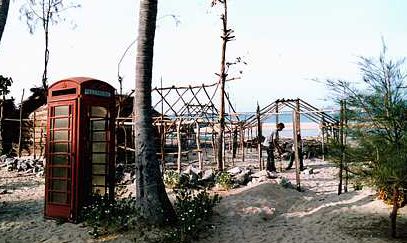
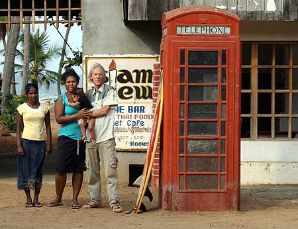
Brit. Telephone box at Arugam Bay

How did town phone box end up on Sri Lankan beach?

Rhiannon McDowall
30/ 7/2008

Macclesfield Express K6

AS MAXONIANS fight to save the town’s phone boxes, one iconic red kiosk has escaped the chop…by taking root in Sri Lanka!

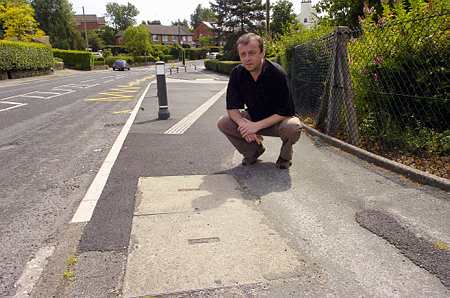
Prestbury’s Tim Heath, 44, was on holiday when he stumbled across a “Whirley Road” kiosk, sitting on the south east coast of the Asian island nation – more than 5,000 miles from home.

He said: “I thought it was unusual to see a red phone box over there, and when I looked inside it got even stranger – I could see it was from Macclesfield and I couldn’t believe it!”

Looking Tardis-like and a tad incongruous on the sun-drenched beaches of Arugam Bay, the kiosk’s poster revealed it had been taken from Whirley Road, near Beaumont Avenue.

But if BT carry out their threat to remove 15 Silk Town kiosks, it’s unlikely they will share such a sunny fate because this box was flown out by hotel owner Dr Fred Miller for a £10 bet. And it’s uncertain if he was the real winner as it cost him a cool £15,000 in post and packaging to complete the 5,418 mile journey.

Dr Miller, originally from the Isle of Man, revealed he had embarked on a mission to ship two traditional boxes to Sri Lanka in 1987 after a drunken night at the East Coast resort.

He said: “I was working for the Ministry of Defence in Hong Kong where I’d lived since 1977 and I had a hotel in Arugam Bay.

“For all those years we didn’t have communication and one night we were on the beach, talking about how beautiful it was, and how nice it would be to call home.

“So I said to my friends – I think we can organise that.”

Spurred on by the £10 incentive, Fred then arranged for a military operation to fly the two phone boxes – one from Silk Town and another from Buxton bought at auction in Manchester for £200 – over to Hong Kong and airlifted by helicopter to the hotel.

He said: “It was a stupid bet and we were drunk.

“But we treated it as an army exercise and told people it was a very important delivery in order to have it delivered – I had to pay off a lot of people to get it here.”

The telephone boxes arrived at Siam View hotel in Arugam bay within ten days of making the decision.

Fred said: “It arrived within ten days then we put our own sophisticated telephone system in and called home.”

And the Macclesfield kiosk has proven it is made of stern stuff as it survived the devastating Tsunami of 2004.

Fred said: “The Stockport box was destroyed in the Tsunami but your Macclesfield one survived! The water was about 35ft above it at one point and it got a bit damaged, but we’ve repaired it now.”

DO YOU know of any other Macclesfield landmarks that have ended up in any strange and remote places? If so contact our newsdesk on 01625 424445 or e-mail macclesfieldexpress@menwn.co.uk .

Sign still inside the boxSign still inside the boxOriginal location in the UKMacclesfield box in SVH Garden after Dec/2004

Photos above supplied by Macclesfield Express Newspaper, UK

source:
http://www.macclesfield-express.co.uk/news/s/1060420_how_did_town_phone_box_end_up_on_sri_lankan_beach

Youth Fest

26 Jul, 2008 13:16:02

Lanka Business
By Nirmalie Alahakone
Sri Lanka’s Hikkaduwa beach fest targets young travelers
July 26, 2008 (LBO) – Sri Lanka’s Hikkaduwa Beach Festival which is kicking off on July 30, will attract more young tourists to the island, and is positioned to become the South Asian equivalent of the Rio carnival, officials said.
“Looking at other markets, we find entertainment coupled with local culture as the key reason for people to go to these destinations,” says Mudadeniya.

“So the Hikkaduwa beach festival is one step in a long journey to get youth market back to Sri Lanka.”

Flashpackers

Officials say there is a booming global youth market of 20 to 30 year-olds and India and China is also emerging in to the field, with growing economic affluence. But Sri Lanka has been losing out so far.

“There was idea that youth market not lucrative, they don’t spend,” says Mudadeniya.

“But now we call them flashpackers. They like to flash their money – to spend.
Its an emerging market, especially Indian who have high disposable income. We have lost this market. “”Sri Lanka has rarely catered to the needs of this age group with little or nothing happening in the way of entertainment,” says Mudadeniya.

Officials say at a time when high fuel prices are making long-haul flights expensive, attracting visitors from short haul destinations makes better economic sense.

The country’s prime attractions – at least the actively promoted ones – are its archeological sites and cultural pageants.

The cultural pageants are strictly religious and allow no revelry among guests and onlookers unlike in some other countries.

Sri Lanka is also famous for its beaches, but with the conflict, the more beautiful ones, such as Nilaweli and Arugam bay in the east, have become no go zones due to an ongoing conflict.

Already Geared

This leaves the southern coast with Hikkaduwa being one of the key spots.

Chairman of Sri Lanka Tourism Renton de Alwis says Hikkaduwa peaked in the 1960’s. The 1960s was a time of change when post-second World War baby boomers revolutionized the culture of the western world.

The beach festival however hopes to re-engineer Hikkaduwa’s image.

“Through events like this, Hikkaduwa can get rejuvenated and people will again begin to look back at Hikkaduwa,” says de Alwis.

“We believe that Hikkaduwa will need a re-engineering of a sort, as a destination.

“This year we are looking at the festival as a take-off. More importantly Hikkaduwa will be getting a flavor as the carnival in Rio.”

Hikkaduwa is already geared for the youth market, with local revelers already going there from the capital on weekends in addition to a steady stream of foreign visitors.

Festival Build

A beach carnival last year had attracted mostly Sri Lankan youth. Foreign visitors had made up about 20 percent of the total.

This year the Tourist promotion office hopes to double foreign visitors to 40 percent.

Mudadeniya says most places in Hikkaduwa are already full. Hotels from Galle to Bentota up and down the coast are also expected to fill up, during a usually dull-period in a country where hotels fill up only during the European winter season.

The festival may generate about 16,000 room nights in all.

The tourist promotion office has launched a website, www.srilanka.travel/hikkaduwa for visitors to get more information.

Artistes and DJ’s from India, United States, Europe and UK will join popular Sri Lankan performers, giving the beach festival giving a mix of cultures across continents.

Bikram Jith Singh, a renowned flutist from India, Glamslam girls from UK, and international DJ’s such as Micheal Parsberg of Denmark and Lisa Littlewood of Scotland will be in action in Hikkaduwa next week.

source:
http://www.lankabusinessonline.com/fullstory.php?nid=598510146

Wild Life Appeal

Dear Friend,

Wild Life Conservation logo
 
We hope that you received our eNewsletter that was sent out in the first week of July and that you enjoyed reading it. If you did not receive it you can view it at www.slwcs.org/eNewsletter.

This eNewsletter is an urgent appeal requesting your support to help conserve a critically endangered population of elephants.   Their habitat is being destroyed due to a large hydro power and irrigation development project in the North Central Province of Sri Lanka.  The largest concentration of Sri Lankan elephants are found in this province.

The Sri Lanka Wildlife Conservation Society has been requested by the Department of Wildlife Conservation (DWC) and the Mahaweli Authority of Sri Lanka (MASL) to develop solutions and strategies to address land use, livelihoods, human-elephant conflicts and elephant conservation issues that will arise due to the Morgahakanda and Kaluganga Development Projects of the Mahaweli Development Program.

We have been conducting field work with the support of foreign and local volunteers, including groups of students from the Peradeniya University.  The information that is been gathered by the SLWCS will contribute tremendously to the ongoing discussions to develop solutions to address the land use, livelihood and environmental issues especially human elephant conflicts (HEC) that will arise due to these two projects.  The results of the field surveys that we have conducted up to now are summarized below. As both development projects are ongoing we need to speed up the information gathering process by running multiple survey teams in this vast area so that we can develop solutions that can be applied immediately.

Several surveys were conducted to gather data on socio economic status, elephant populations, distribution and habitats giving special attention to the increase in HEC that will occur in the development as well as in the adjacent areas.  The study gave priority to HEC because the success of the overall development project highly depends on mitigating HEC successfully.  We already observe a major hindrance to the successful mitigation of HEC due to the fact that the development and resettlement sites have been pre-selected by the MASL before this study.  Therefore the data from our field studies will help the MASL to select alternative sites to relocate some of the development programs and resettlements.
 

The field studies consists of socio economic and elephant surveys to collect baseline data.  The elephant surveys were initiated at the beginning of the dry season and covered the total area of the Kaluganga Development Scheme.

The objectives of the surveys were to:

  1. Estimate the elephant populations in the area.
  2. Identify elephant ranging areas.
  3. Assessment of habitats and habitat suitability. 
  4. Identify existing elephant corridors within the impact zone
  5. Identify suitable areas for alternate corridors.
  6. Identify suitable resettlement sites.
  7. Identify areas to apply HEC mitigation techniques.  
 
To achieve these objectives we conducted seven trail transects surveys in May 2008.  The surveys will be repeated over two seasons to gather more information.  The data that was gathered from our field research so far has provided us with the following preliminary findings:
  1. The elephant population in the area increases during the dry season and as a result HEC increases too.
  2. The increase in elephant numbers during the dry season is associated to the availability of perennial water sources in the area.
  3. The type and quality of habitats play a crucial role.
  4. The quality of the habitat determines elephant abundance in an area.
  5. There are two existing corridors that go through the project impact area and the proximate areas.
  6. According to the MASL the proposed resettlement areas are supposed to be ideal elephant habitat.  They claim that a large number of herds use the area as a feeding ground during the dry season.  Investigating the MASL observations will be a part of the future field research efforts.
  7. There are some suitable habitats that can be integrated to establish Managed Elephant Reserves (MERs) and Elephant Conservation Areas (ECAs).  Once we have identified the most suitable habitats to establish corridors then it is possible to carry out habitat enrichment to link habitat fragments to form corridors.
 
The population estimates will be completed only after the seasonal surveys are completed, and then we will use both past and present data for population analysis and density estimates.  We hope to use our past and present data to provide solutions based on advanced GIS modeling.  These solutions will include practical solutions that can be applied preemptively to mitigate HEC in the project and adjacent areas.

Human Elephant Conflict in the Area

Human Elephant conflict has begun to increase since recently in the Grama Niladhari Divisions (GNDs are village level administrative divisions) that were surveyed.  Of the total number of village households that were interviewed, 82% of the families have experienced elephant raids.  Ninety five percent were crop damages, 3% were house damages and 2% were human casualties. According to information that had been gathered from 2005-2007, rice and banana are the most raided crops.  Each villager annually loses Rs.12,240 (~US$120) due to HEC.  This is a substantial amount to lose considering an average villager’s total annual income is ~$300.  Two elephants had been killed in the area, one in 2002 at Katumanaoya and the other in 2006 in Rambukoluwa-Sawanpitiya. Both areas are nearby to Kaluganga.  According to the villagers, elephant raids are seasonal and they are most intense from the months of May through October which is the dry season.  The following areas were identified by villagers as places where elephant gather in large numbers.

Name of locality and nearest GND

  1. Madugaslanda forest, Rambukoluwa
  2. Hobarakada, Mannakatiya Gangahenwala
  3. Moragahaulpatha, Karandamulla
  4. Athkimbulawala forest, Akarahadiya 
  5. Ambanmulla, Balagollayaya Minirankatiya
  6. Galwala, Katumanna Halminiyaity
  7. Kiulpotha, Gonawala
  8. Makulmada, Pallegama
  9. Galgedawala, Dagavilla Madumana
  10. Hamagahaulpatha, Kotakumbura Ranamuragama
We hope to survey all of these places to gather information on elephant populations and available habitats in these areas.
 
ISSUES and FUTURE PLANS

The current field work was conducted by the Society at its own expense.  Therefore we have had to limit the scale of our field research efforts.  We will continue with the research through October 2008.  Once we have completed the surveys we will organize a meeting at Dambulla or Bakamuna bringing together the Department of Wildlife Conservation, Mahaweli Authority, Forest Department and other line agencies to discuss HEC mitigation and elephant conservation efforts in detail.  Both divisional level and HQ level personnel of all the line agencies will be present at this meeting.

URGENT REQUEST

We need funds urgently to continue with the surveys.  Based on the available funds we will run multiple teams concurrently.

From August-October 2008 we need to conduct 9 Field Trips of 7-10 days each.  Each field trip costs about $1300.  The costs includes salaries, transport, accommodation/food, equipment, GIS expertise, analyzing data and writing reports.  While the total cost to conduct all the surveys is US$12,000, even small contributions will help us to continue with our field surveys and conservation efforts.  We also have to conduct at least 5 stakeholder meetings at both the local and regional/national level to promote sustainable solutions for the MASL, DWC and FD to implement.

Visit www.slwcs.org/projects/mg&kg or email info@slwcs.org for details.


ACKNOWLEDGEMENTS

We gratefully acknowledge the contributions and support of the following people and institutions:

  • Zoology Special students (2004/2005 batch) of Faculty of Science of University of Peradeniya for assisting us with the field work. Their participation helped us to move ahead with the project rapidly.
  • Foreign volunteers from Global Vision International and World Wide Experience who assisted us with our research efforts.


WANT TO HELP

You can make a cash donation of any amount via Credit Card or by A/C Payee cheque marked MG/KG Project, Sri Lanka Wildlife Conservation Society and mailed to 127 Kingsland Street, Nutley NJ 07110, USA or 38 Auburn Side, Dehiwala, Sri Lanka. All USA donations are Tax Free.

Even the smallest donation will help to save these elephants.

Erroneous information in Anaconda article in July 14, 2008 issue of Daily News

To: Editor, Daily News

Dear Sir/Madam.

I’m writing to you in reference to an article that appeared in the Monday, July 14, 2008 issue of Daily News, titled: Anaconda mum cradles 20. First time in zoo’s history. Written by Suranjith Perera, Dehiwala-Mt. Lavinia group correspondent.

Mr. Perera very erroneously states that, “The mother had laid 23 eggs, however three eggs were crushed leaving only 20 alive.” It is possible that Mr. Perera is writing based on information he would have received from the Dehiwala Zoo personnel due to the fact that the zoo personnel have misidentified the snake in question. But the fact remains the green anaconda does not lay eggs.

The green anaconda (Eunectes murinus) known as one of the largest of all snakes in the world is a species of constricting snake belonging to the family Boidae that is native to South America. The pythons found in Africa, Asia and Australasia also belongs to this family. But unlike the pythons, the boa constrictors and anacondas of South America do not lay eggs. So contrary to the information that has been reported in the Daily News, the green anaconda in the zoo (assuming it is actually a green anaconda) should not lay eggs. Anacondas are ovoviviparous, meaning that they produce eggs which hatch inside the female’s body and result in live births.

It is the responsibility of the Dehiwala Zoo to first indentify all the animals in its collection correctly and accurately. The zoo should also ensure that competent and knowledgeable personnel are always made available when personnel from the press come to the zoo to record events especially about the animals in the zoo, since what is published by the press is read by a large audience and providing wrong information can result in serious repercussions over time. It is very important to ensure that scientific information presented to the public is as accurate as possible.

I would appreciate it very much if you would publish this in your next Daily News edition. If you need additional information please let me know.

Wishing you all the best,

I remain sincerely,

Ravi Corea
President
Sri Lanka Wildlife Conservation Society

Scientific Consultant
Herpetology Department
American Museum of Natural History, New York City, USA
REVISED/QUOTED: http://www.sundayobserver.lk/2008/07/20/new24.asp and http://www.dailynews.lk/2008/07/16/news11.asp

Security threat looming large in the east

posted by Editor at

Colombo Times

,

http://www.thecolombotimes.com/2008/07/security-threat-looming-large-in-east.html

Good ideas – gone wrong

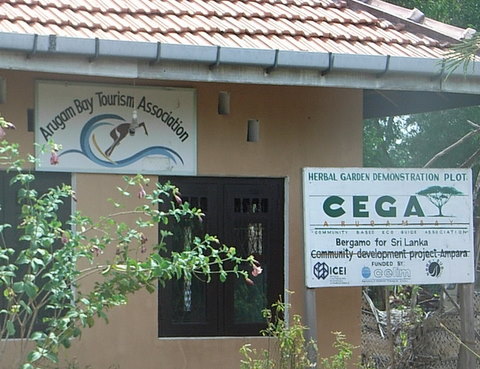
CEGA Garden Project

A great idea and a great sign and business-type front!

PVC Garden Project?

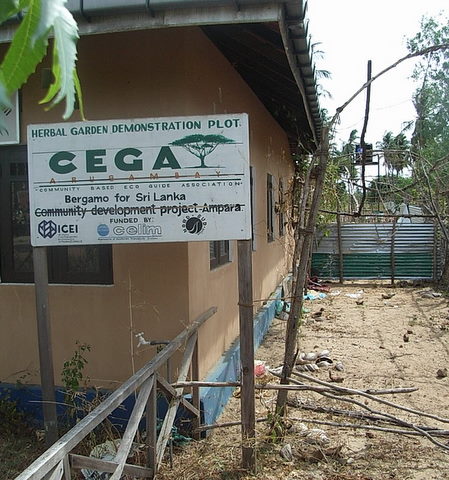
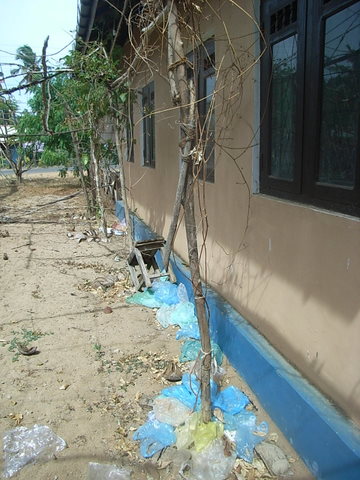
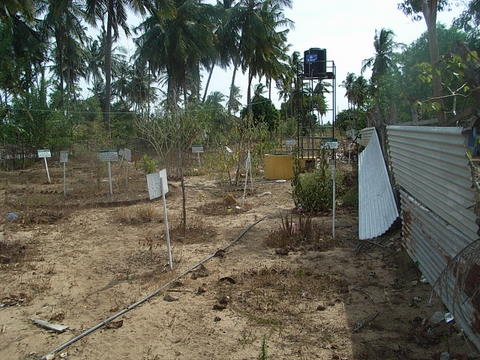
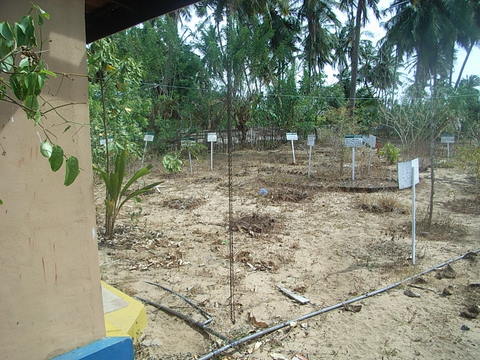
This place now is sadly neglected and not maintained

Plastic recycling project by CEGA?

Maybe it’s a CEGA/ABTA PVC Recycling project?

Plants not watered for agesA brilliant idea - sadly gone wrong

Above is just ONE example how a very good idea has gone wrong at Arugam Bay.
CEGA established a Herbal Garden in the back of AbTa’s new, unmanned office building.
This demonstration plot was useful, well thought of and very well established.
But: So was the idea of Tourist Guides, Trash removals, etc…..
However, perhaps unknown to the kind donors of Bergamo, Italy it appears that the wrong local partners were selected:
For many months now, this project has been neglected and the garden is a wasteland.
Nobody watered the plants, nobody seems to be interested in keeping this good projedct going.

Lesson:

Do not expect to come from any civilized Country and establish ANYTHING in Sri Lanka and then walk away from it!
Like the Tourist Guide project, the rubbish removal system & donated tractor and dozens more:
Nothing will ever work unless a system is left in place to continue the operation.

Sad but true!
What to do?
(As one says in Ceylon)
written by Anil Wickramasighe, Colombo

Back from Arugam Bay

I just returned from Arugam Bay, and although I went there for entirely selfish purposes, I could not help but be reminded of the stark contrast between their lives there and our lives here and how easy it is sometimes to forget that such a difference exists. Especially for us.Travelling with those that may never have travelled to that part of Sri Lanka before, I was made aware of how ignorant people can become of what lies just outside their door. Do people not know, or do they choose to ignore? Living in Colombo, it is very easy to become like frogs in a well. But I was shocked at how shocked they were by the people in Pottuvil. Sure they stared at us. Sure they stole from us. They tried to cause trouble and ripped us off at any given opportunity. They behaved as though they didn’t want us there. But is their behaviour really so difficult to understand? Wouldn’t you stare if you lived in a situation where electricity was a fickle luxury that could disappear at any moment, and a bunch of people turned up in a tourist coach, wore bikinis and danced to weird music for two days straight? Wouldn’t you be angry and bitter if you had a hard life, and some people turned up in your village, and had a party?

Arugam Bay is not Hikkaduwa. It is still very much a village. And it is for this very reason that it is so great for us; because it is so pristine and untouched, and not commercialized like Hikkaduwa. But for many it is just a place called home.
It is this ignorance that I fear will be the downfall of Sri Lanka. This refusal of the educated and the elite to understand the lifestyle of the average Sri Lankan. To see that this life we live in Colombo is very, very different from the life of other Sri Lankans, and that we make up only a tiny minority.

Sometimes I am very, very afraid of how little we know, and how much we can so easily forget.
source:
http://electra.blogsome.com/2008/07/21/back-from-arugam-bay/

Extinction of jellyfish likely

Environmentalists warn of consequences of over-exploitation of a natural resource

By Lakwi Perera

Jellyfish Exports……
(Update by Sunday Times, 21st September, 2008)

The jellyfish export business has caused a stir, with the government and environmentalists arguing for and against the harvesting and export of the marine creature. At a news conference last week, environmentalists said the bulk export of jellyfish was detrimental to Sri Lanka’s eco-system, while the Minister of Fisheries, Felix Perera, insisted that the processed jellyfish export trade was necessary for the country’s economy.

Jelly Fish
Jellyfish processed in Sri Lanka are exported to China. Some 20,000 fishermen make a living from the harvesting of jellyfish.

The processed jellyfish is exported to China, where it is considered a delicacy, as well as an aphrodisiac. According to environmentalists, the mass harvesting of jellyfish is harmful to the marine environment.

Environmentalist and lawyer Jagath Gunawardena told The Sunday Times that jellyfish harvesting is seasonal. Harvesting is now under way in seas off Panama and Komariya, in the Ampara district, and in the Kirinda area in Hambantota district. Under present procedures, processed jellyfish is exported on “no-objection” letters issued by the government, while a license is required to catch, process, and export jellyfish.

The Fisheries and Aquatic Resources Act, No. 2, of 1996 does not cover jellyfish. Regulations covering jellyfish exports have yet to be gazetted, and this is the Fisheries Minister’s responsibility. Till then, matters relating to jellyfish come under the Fauna and Flora Protection Ordinance and the Director General of the Department of Wildlife Conservation.

The jellyfish species exported is commonly referred to as “mushroom jelly”. It is caught in bulk by fishermen and sent for processing. The jellyfish are immersed in a mixture of alum and salt to extract their water content; in the process the creature shrinks to five percent of its original size.

More than 100 to 150 tons of jellyfish are processed daily. According to Minister Felix Perera, some 20,000 fishermen make a living from the harvesting of jellyfish. According to informed sources, Sri Lanka’s jellyfish trade is largely a monopoly controlled by three firms; two are registered as exporters of ornamental fish and plywood, and the other is a British firm.

Minister Perera maintains that marine ecosystems are not being threatened by the jellyfish trade, and denies that the ocean’s jellyfish resources were being “over-exploited”.

Speaking to The Sunday Times, Minister Perera explained that there were different species of jellyfish, and that only two species were suitable for export purposes.

Jelly Fish Tank
The jellyfish is processed by immersing catches in a mixture of alum and salt.

“These two species are available in our seas only a few weeks of the year. We have to harvest these jellyfish at this particular time, before the jellyfish shoals drift away, either towards India or the Maldives. If we don’t act in a timely way, we will lose out,” the Minister said. “The country needs foreign exchange, and this is a good source.”

A source at the Department of Fisheries and Aquatic Resources said the no-objection letters required for the export of processed jellyfish are issued at the request of the exporters, following a brief assessment conducted by the National Aquatic Resources Research and Development Agency.

According to the Department of Fisheries and Aquatic Resources source, the jellyfish population density is high, and there is no urgency for imposing controls on the harvesting of jellyfish.

The official also told The Sunday Times that the department had not received any jellyfish export data from the exporters. A Sri Lanka Customs official said exporters of processed jellyfish should have a permit, and that a “no-objection” letter alone was insufficient for documentation purposes.

According to the official, the first consignment of processed jellyfish for export arrived in two 40-foot containers at Colombo port in October 2007. The consignment was detained by Customs, but later released on the intervention of the then Treasury Secretary, Dr. P. B. Jayasundara, the Fisheries Minister and the Director General of Customs, Sarath Jayatilaka.

“Over-exploitation of a resource will only result in the demise of that resource,” said environmentalist Mr. Gunawardena, citing the pearl oyster, spiny lobster and sea cucumber, which have either died out or whose numbers have been much diminished by over-exploitation.

By Lakna Paranamanna

The Nation
The illegal jellyfish exporting racket discovered several months ago has once again raised its head in the suburbs of the Eastern Province.
(There at at least three operations at Arugam Bay as well at present)

Jellyfish on Beach

An environmental expert told The Nation that this trade is mostly being conducted in the lagoons of Okanda and Komariya in the Eastern Province and also in areas such as Godawana and Kirinda. “As we warned when this was conducted last time, the poachers have moved down to the southern coastal areas too,” environmental expert, Jagath Gunawardena pointed out.

“About 2,000 kg of jellyfish are being brought from the sea twice a day and this is once again causing severe damage to the coastal areas of the Eastern Province,” said Gunawardena. The jellyfish in these areas are reduced at a rate and if this continues, Gunawardena warned these animals will become extinct in these coastal areas.

Last year, the Customs Department took into custody about 15 containers which contained about 249 kg of jellyfish, which were being exported by a private firm in Ja-Ela. These jellyfish are mainly exported to China because they are considered a popular delicacy. “After several raids in areas like Tangalle, this activity was ceased for quite some time, but now it seems as if they have started it on a larger scale than before,” asserted Gunawardena.

Jellyfish Gotham

source:
http://www.nation.lk/2008/07/20/news12.htm

Do you agree with this view?
Do you want to know a bit more about JellyFish?
start your research with this link:
http://www.arugam.info/2008/07/20/jellyfish/

Arugam Bay Sunrise

Sunday, July 20, 2008

(09/07)

Arugambay Sri Lanka, watching this sunrise while fishing early in the morning was something else. This was the first thing I saw when arriving on the beach.

Victor W.

source:
http://fezlens.blogspot.com/2008/07/0907-arugambay-sri-lanka-watching-this.html

Surge in Exports

Surge in exports

Despite the Domesday scenarios painted by some pessimistic economic soothsayers, Sri Lanka’s economy has done well under extraordinarily trying circumstances. The country is saddled with a conflict for which military action has become essential and inevitable. This naturally means a huge defence expenditure.

Add the global economic downturn and the oil crisis to this situation and one does not need to possess an Economics Phd to comprehend the gravity of it all. Third World countries including Sri Lanka have been the hardest hit.

In spite of all these obstacles, the Sri lankan economy has posted an impressive growth rate and is on course to achieve the set targets or even exceed them. One of the most positive aspects of the economic performance in the first five months of the year is the surge in exports, especially of industrial goods.

Exports have recorded a growth of 12.6 per cent in the first five months, while in may alone, exports accounted for US$ 746 million of our foreign exchange earnings. This is an impressive achievement by any yardstick.

The growth in industrial exports is especially impressive, as it denotes Lanka’s rise as an industrial goods manufacturing country. The good news is that agricultural products’ are also contributing heavily to the share of growth in exports. Tea is still the mainstay of the agriculture sector, but other crops are catching up.

It is also heartening to note that rubber, diamonds, textiles and petroleum products are also contributing significantly to the rise in exports. The prominence of non-traditional exports is a welcome sign.

The exporters must not rest on their laurels. One of our biggest challenges is finding new markets for both traditional and non-traditional exports. The newly emerging economies of Eastern Europe, Central and South East Asia are potential markets for many of our products.

The multitude of Government agencies working in the sphere of export development must have a coordinated plan to develop exports. More exporters, especially medium and small-scale exporters must be given the opportunity of participating in international trade shows to provide them with more exposure.

With a just a few days to go for the SAARc Summit, one has to acknowledge that SAARC can do more to develop intra-regional trade. Trade within SAARC is still at a minimal level despite the existence of free trade agreements among many Member countries, but a SAARC-wide initiative must be taken to realise the full trade potential of the eight nations.


Roads to prosperity

Roads are a vital factor for development. No country can hope to develop without improving its road network. Developing a road opens many doors – it links villages with towns and towns with cities, enabling the faster movement of people and goods. It can literally be a matter of life and death for rural folk in case of a medical emergency as vehicular access to the nearest hospital will only be possible if there is a good road to town.

But Third World countries cannot always afford to spend heavily on infrastructure projects. This is where they need the help of multilateral agencies and individual countries.

In this context, Sri Lanka’s highways sector received a boost last week with the granting of US$ 98 million by the World Bank for road development especially in rural areas. This will be in addition to US$ 100 million provided in 2005.

We are pleased to note that many City roads are being resurfaced by the CMC in view of the SAARC Summit. The same attention should be paid to rural roads by the Road Development Authority and local bodies in the respective areas.

Some of these roads are barely motorable and even the pedestrians have a hard time traversing the giant potholes. Paved roads will give these villages a new lease of life and link more villages with each other.

Bridges too are an important component of road development. Bridges link communities which would otherwise remain cut off. President Mahinda Rajapaksa recently opened the Arugam Bay bridge which has become a new ray of hope for the East.

Likewise, the building of more bridges in other areas of the country would improve access to cities and bring communities together. The national expressways currently being built will also help to shrink travel times further and improve the economy.

source:
http://www.dailynews.lk/2008/07/21/main_Editorial.asp

Jellyfish

From Wikipedia, the free encyclopedia

Jump to: navigation, search

Jellyfish
Stauromedusae
Coronatae
Semaeostomeae
Rhizostomae

Jellyfish are marine invertebrates belonging to the class Scyphozoa of the phylum Cnidaria. They can be found in every ocean in the world and even in some fresh water. The name “jellyfish” is also applied to some close relatives of true scyphozoans, such as the Hydrozoa and the Cubozoa. Jellyfish live in groups called ‘Bondamines’

Contents

[hide]

[edit] Anatomy and morphology

A typical medusoid-phase jellyfish.

A typical medusoid-phase jellyfish.

The body of a jellyfish consists of a bell shape producing jelly and enclosing its internal structure, from which tentacles are suspended. Each tentacle is covered with cells called cnidocytes, that can sting or kill other animals. Most jellyfish use these cells to secure prey or for defense. Others, such as the Rhizostomae, do not have tentacles at all. They have many small eyes on their bell which give them a 360° field of vision.

Jellyfish lack basic sensory organs and a brain, but their nervous systems and rhopalia allow them to perceive stimuli, such as light and odour, and respond quickly. They feed on small fish and zooplankton that become caught in their tentacles. Most jellyfish are passive drifters and slow swimmers, as their shape is not hydrodynamic. Instead, they move so as to create a current forcing the prey within reach of their tentacles. They do this by rhythmically opening and closing their bell-like body. Their digestive system is incomplete: the same orifice is used to take in food and expel waste. The body of an adult is made up of 94–98% water. The bell consists of a layer of epidermis, gastrodermis, and a thick, intervening layer called mesoglea that produces most of the jelly.

[edit] Body systems

A jellyfish detects the touch of other animals using a nervous system called a “nerve net“, located in its epidermis. Touch stimuli are conducted by nerve rings, through the rhopalial lappet, located around the animal’s body, to the nerve cells. Jellyfish also have ocelli: light-sensitive organs that do not form images but are used to determine up from down, responding to sunlight shining on the water’s surface. They also sting when another organism touches their tentacles.

Jellyfish don’t have specialized digestive, osmoregulatory, central nervous, respiratory, or circulatory systems. They digest using the gastrodermal lining of the gastrovascular cavity, where nutrients are absorbed. They do not need a respiratory system since their skin is thin enough that the body is oxygenated by diffusion. They have limited control over movement and mostly free-float, but can use the hydrostatic skeleton of the water pouch to accomplish vertical movement through pulsations of the disc-like body.

The outer side of a jellyfish is lined with a jelly-like material called ectoplasm (ecto meaning outer and plasm meaning living matter). The ectoplasm typically contains a smaller amount of protein granules and other organic compounds than inner cytoplasm, also referred to as endoplasm (endo meaning inner).

[edit] Jellyfish blooms

Many species of jellyfish are capable of congregating into large swarms or “blooms”, consisting of hundreds of individuals. The formation of these blooms is a complex process that depends on ocean currents, nutrients, temperature and ambient oxygen concentrations. Jellyfish sometimes mass breed during blooms. During such times of rapid population expansion, some people will raise ecological concerns about the potential noxious effects of a jellyfish “outbreak”.

According to Claudia Mills of the University of Washington, the frequency of jellyfish blooms may be attributed to humans’ impact on marine systems. She says that the breeding jellyfish may merely be filling ecological niches formerly occupied by overfished creatures. Jellyfish researcher Marsh Youngbluth further clarifies that “jellyfish feed on the same kinds of prey as adult and young fishes, so if fish are removed from the equation, jellyfish are likely to move in.”

Aurelia aurita, commonly known as moon jellyfish.

Aurelia aurita, commonly known as moon jellyfish.

Increased nutrients in the water, ascribed to agricultural runoff, have also been cited as an antecedent to the proliferation of jellyfish. Monty Graham, of the Dauphin Island Sea Lab in Alabama, says that “ecosystems in which there are high levels of nutrients … provide nourishment for the small organisms on which jellyfish feed. In waters where there is eutrophication, low oxygen levels often result, favoring jellyfish as they thrive in less oxygen-rich water than fish can tolerate. The fact that jellyfish are increasing is a symptom of something happening in the ecosystem.”[1]

By sampling sea life in a heavily fished region off the coast of Namibia, researchers found that jellyfish have overtaken fish in terms of biomass. The findings represent a careful, quantitative analysis of what has been called a “jellyfish explosion” following intense fishing in the area in the last few decades. The findings were reported by Andrew Brierley of the University of St. Andrews and his colleagues in the July 12, 2006 issue of the journal Current Biology.

Areas which have been seriously affected by jellyfish blooms include the northern Gulf of Mexico. In that case, Graham states, “Moon jellies have formed a kind of gelatinous net that stretches from end to end across the gulf.”[1]

[edit] Life history
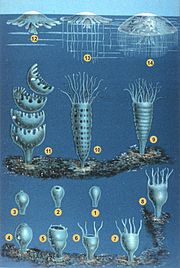
The developmental stages of jellyfish.

The developmental stages of jellyfish.

Most jellyfish pass through two distinct life history phases (body forms) during their life cycle. The first is the polypoid stage, when the jellyfish takes the form of either a sessile stalk which catches passing food, or a similar free-floating configuration. The polyp’s mouth and tentacles face upwards, reminiscent of the hydroid stage of the somewhat closely related anthozoan polyps, also of the phylum Cnidaria. The polyp will then move around until it attaches itself to a suitable home.

In the second stage, the jellyfish is known as a medusa. Medusae have a radially symmetric, umbrella-shaped body called a bell. The medusa’s tentacles are fringe-like protrusions from the border of the bell. (Medusa is also the word for jellyfish in Portuguese, Romanian, Hebrew, Serbian, Croatian, Spanish, French, Italian, Hungarian, Russian and Bulgarian.)

Jellyfish are dioecious; that is, they are either male or female. In most cases, to reproduce, a male releases his sperm into the surrounding water. The sperm then swims into the mouth of the female, allowing the fertilization of the ova. However, moon jellies use a different process. The eggs become lodged in pits on the oral arms, which form a temporary brood chamber to accommodate fertilization.

After fertilization and initial growth, a larval form, called the planula, develops from the egg. The planula is a small larva covered with cilia. It settles onto a firm surface and develops into a polyp. The polyp is cup-shaped with tentacles surrounding a single orifice, resembling a tiny sea anemone. After an interval of growth, the polyp begins reproducing asexually by budding and is called a segmenting polyp, or a scyphistome. New scyphistomae may be produced by budding or new, immature jellies called ephyra may be formed. Many jellyfish species are capable of producing new medusae by budding directly from the medusan stage.

Most jellyfish have a lifespan of two and a half months; few live longer than six months but one species can live as long as 30 years and another species, T. nutricula, is effectively immortal.

[edit] Etymology and taxonomic history

Since jellyfish are not fish, some people consider the term “jellyfish” a misnomer, and instead use the term “jellies” or “sea jellies”. The word “jellyfish” is also often used to denote either hydrozoans or the box jellyfish, the cubozoans. The class name, Scyphozoa, comes from the Greek word skyphos, denoting a kind of drinking cup and alluding to the cup shape of the organism.

A group of jellyfish is often called a “smack”. [2]

[edit] Importance to humans

[edit] Culinary uses

Cannonball Jellyfish are harvested for culinary purposes.

Cannonball Jellyfish are harvested for culinary purposes.

Jellyfish are an important source of food to the Chinese community and in many Asian countries.[3] Only jellyfish belonging to the order Rhizostomeae are harvested for food. Rhizostomes, especially Rhopilema esculentum in China (Chinese name: 海蜇 hÇŽizhÄ“, meaning “sea sting”) and Stomolophus meleagris (cannonball jellyfish) in the United States, are favoured because they are typically larger and have more rigid bodies than other scyphozoans. Furthermore, their toxins are innocuous to humans.[3]

Traditional processing methods, carried out by a Jellyfish Master, involve a 20 to 40 day multi-phase procedure in which the umbrella and oral arms are treated with a mixture of table salt and alum, and compressed.[3] The gonads and mucous membranes are removed prior to salting. Processing reduces liquidation, off-odors and the growth of spoilage organisms, and makes the jellyfish drier and more acidic, producing a “crunchy and crispy texture.”[3] Jellyfish prepared this way retain 7-10% of their original, raw weight, and the processed product contains approximately 95% water and 4-5% protein, making it a relatively low calorie food.[3] Freshly processed jellyfish has a white, creamy color and turns yellow or brown during prolonged storage.

In China, processed jellyfish are desalted by soaking in water overnight and eaten cooked or raw. The dish is often served shredded with a dressing of oil, soy sauce, vinegar and sugar, or as a salad with vegetables.[3] In Japan, cured jellyfish are rinsed, cut into strips and served with vinegar as an appetizer.[3][4] Desalted, ready-to-eat products are also available.[3]

Fisheries have begun harvesting cannonball jellyfish along the southern Atlantic coast of the United States and in the Gulf of Mexico for export to Asian nations.[3]

[edit] In biotechnology

In 1961, green fluorescent protein (GFP) was discovered in the jellyfish Aequorea victoria by scientists studying bioluminescence. This protein has since become a quite useful tool in biology. Its use is mainly for scientists studying in which tissues genes are expressed. The technique, using genetic engineering, fuses the gene of interest to the gene of GFP. The fused DNA is then put into a cell, to generate either a cell line or (via IVF techniques) an entire animal bearing the gene. In the cell or animal, the artificial gene gets turned on in the same tissues and the same time as the normal gene. But instead of making the normal protein, the gene makes GFP. One can then find out what tissues express that protein — or at what stage of development — by shining light on the animal or cell, and looking for the green fluorescence. The fluorescence shows where the gene of interest is expressed.[5] Jellyfish are also harvested for their collagen, which can be used for a variety of scientific applications including the treatment of rheumatoid arthritis.

[edit] In captivity

A group of Sea Nettle jellyfish in an aquarium.

A group of Sea Nettle jellyfish in an aquarium.

Jellyfish are commonly displayed in aquaria in many countries. Often the tank’s background is blue and the animals are illuminated by side light to produce a high contrast effect. In natural conditions, many jellies are so transparent that they are almost impossible to see.

Holding jellyfish in captivity presents other problems. For one, they are not adapted to closed spaces. They depend on currents to transport them from place to place. To compensate for this, professional exhibits feature precise water flows, typically in circular tanks to prevent specimens from becoming trapped in corners. The Monterey Bay Aquarium uses a modified version of the kreisel (German for “spinning top”) for this purpose.

[edit] Toxicity to humans

The Lion's mane jellyfish is known for its painful, but rarely fatal, sting.

The Lion’s mane jellyfish is known for its painful, but rarely fatal, sting.

When stung by a jellyfish, first aid may be needed immediately. The stings of true Scyphozoan jellyfish are not generally deadly, though species of the completely separate class Cubozoa (box jellyfish) such as the famous and especially toxic Irukandji can be fatal. However, even nonfatal jellyfish stings are known to be extremely painful. Serious stings may cause anaphylaxis and may result in death. Hence, people stung by jellyfish must get out of the water to avoid drowning. In serious cases, advanced professional care must be sought. This care may include administration of an antivenin and other supportive care such as required to treat the symptoms of anaphylactic shock.

There are three goals of first aid for uncomplicated jellyfish stings: prevent injury to rescuers, inactivate the nematocysts, and remove any tentacles stuck on the patient. To prevent injury to rescuers, barrier clothing should be worn. This protection may include anything from panty hose to wet suits to full-body sting-proof suits. Inactivating the nematocysts, or stinging cells, prevents further injection of venom into the patient.

Some Catostylus species are stingless.

Some Catostylus species are stingless.

Vinegar (3 to 10% aqueous acetic acid) should be applied for box jellyfish stings.[6][7] Vinegar, however, is not recommended for Portuguese Man o’ War stings.[6] In the case of stings on or around the eyes, vinegar may be placed on a towel and dabbed around the eyes, but not in them. Salt water may also be used in case vinegar is not readily available.[6][8] Fresh water should not be used if the sting occurred in salt water, as a change in pH can cause the release of additional venom. Rubbing the wound, or using alcohol, spirits, ammonia, or urine will encourage the release of venom and should be avoided.[9] Though often not available, a shower or bath as hot as can be tolerated can neutralize stings. However, if hypothermia is suspected this method may cause other serious complications.

Mediterranean Jellyfish (Cotylorhiza tuberculata) Monterey Bay Aquarium.

Once deactivated, the stinging cells must be removed. This can be accomplished by picking off tentacles left on the body.[9] First aid providers should be careful to use gloves or another readily available barrier device to prevent personal injury, and to follow standard universal precautions. After large pieces of the jellyfish are removed, shaving cream may be applied to the area and a knife edge, safety razor, or credit card may be used to take away any remaining nematocysts.[10]

Beyond initial first aid, antihistamines such as diphenhydramine (Benadryl) may be used to control skin irritation (pruritus).[10] To remove the venom in the skin, apply a paste of baking soda and water and apply a cloth covering on the sting. If possible, reapply paste every 15-20 minutes. Ice can be applied to stop the spread of venom until either of these is available.

source:

http://en.wikipedia.org/wiki/Jellyfish

The Portuguese Man Of War Jellyfish is a very beautiful jellyfish that can be found in the tropical and subtropical regions like the Pacific and Indian Ocean. They have a very venomous sting that isn’t deadly, but very painful. The Portuguse Man of War Jellyfishes also called Physalia physalis is common in Hawaii and could be found in groups of hundreds or even thousands individuals. Actually it isn’t a jellyfish, but a Hydrozoan.

The Portuguese Man Of War Jellyfish is a very special creature. It’s said that it exists out of four individual organisms called Polyps. These Polyps work together to survive.

1.Pneumatophore is the part of the jellyfish that you see floating. It’s actually a balloon filled with gas (carbon monoxide) and you could see it very clearly on any picture.

2.Dactylozooids these are the tentacles of the jellyfish that are needed to catch a prays like fishes. Some of these arms are also used to bring the food to the feeding organism.

3.Gastrozooids the organism that digest all the food.

4.Gonozooids the organism that is used for the reproduction.

Like we mentioned before, the body of the Portuguese Man Of War mainly exist out of a gas filled organ (used as a sail) that can grow between 9 to 30 cm and can reach a height of 15 cm. Below this gas filled organ we find the tentacles (Dactylozooids) that can grow up to 50 meters in length! These are used to paralyze their pray and once they have caught a fish for example, then it will be digested by the Gastrozooids.

The Portuguese man Of War seems a good predator, but like many animals he has predators like the loggerhead turtle that eats him without hesitating about the venomous tentacles. However there are also animals that seek for protection like the Nomeus gronovii that also enjoys eating the tentacles of the jellyfish.
source:http://deepseamonsters.blogspot.com/2008/09/portugese-man-of-war-jellyfish.html

At the opening of the new bridge built over Arugambay….

The UNP-led Opposition at logger heads with President Mahinda Rajapaksa over his cosy relationship with the armed breakaway LTTE faction headed by ‘Colonel’ Karuna Amman is seriously disturbed over the international community’s readiness to strike a working relationship with the group.

“We are disappointed,” a UNP MP told The Sunday Island. The international community shouldn’t have contacted the TMVP now in control of the first Eastern Provincial Council, the Batticaloa Municipal Council and all Pradeshiya Sabhas in the Batticaloa District. This would only encourage the Rajapaksas and their newly found ally to step up the combined security forces campaign in the Vanni.

But Karuna who recently returned after serving a shortened prison term for violating British immigration laws is expected to keep a low profile.

The government has prohibited foreign governments sending representatives to Kilinochchi after the August, 2005, assassination of Foreign Minister Lakshman Kadirgamar in Colombo.

The government recently rejected an LTTE call to arrange Norwegian representatives to visit Kilinochchi to explore ways and means of kick starting peace negotiations.

The Tamil National Alliance, the SLMC and the JVP, too, criticised the international community for having contacts with the TMVP as the group hadn’t de-commissioned its weapons. They said the Rajapaksas would take advantage of on and off meetings between the international community and the TMVP to strengthen their government which was pursuing a military solution. They accused the international community of taking a contradictory stand on the issue. On one hand, the international community wanted the government to disarm the TMVP while on the other hand, an undemocratically elected administration was being international endorsement, the JVP said.

In the run upto the EPC polls, JVP frontliner Anura Kumara Dissanayake accused India of promoting the TMVP-Rajapaksa relationship at the expense of the vast majority of people wanting the restoration of democracy.

The criticism comes hard on the heels of Sri Lanka’s Ambassador to the EU Ravinatha Ariyasingha’s declaration that a visiting EU delegation would meet with EP Chief Minister Sivanesathurai Chandrakanthan this week. This would be the first direct contact between the EPC administration and the EU, a Foreign Ministry official said, expressing relief that the EU had changed its previous stance.

Government sources expressed the belief the change of the international opinion had been influenced by rapidly deteriorating LTTE military power in the Vanni region where the army was on the advance on a wide front on both west and east of the A9 road.

The EU Parliament’s Delegation for Relations with the Countries of South Asia in Brussels would be headed by its Chairman Robert Evans, Socialist Group member of the UK and would include a cross section of the political groups and member states represented within the EU.

Last month, Sri Lanka declined to take a visiting EU delegation to the East after it refused to meet the newly installed ECP administration.

British Minister Lord Malloch Brown and the Netherlands Ambassador in Colombo Reynout Van Dijk last week met Chandrakanthan in Trincomalee. This followed US Deputy Assistant Secretary of State Even Feigenbaum, US Charged’ Affairs James R. Moore and USAID Mission Director Rebecca Cohn appearing on one stage with President Rajapaksa and Chandrakanthan on July 1 at the opening of the new bridge built over Arugambay. The USAID’s flagship tsunami aid project had cost USD 10 million.

UPFA General Secretary and Minister Susil Premjayanth said the government fielded a TMVP candidate on the government list for the North Central Province at the August 23 election as they were confident of working with the group. “We have every confidence in them,” he said, describing the move as an extension of the government-TMVP political relationship.

The decision to accommodate Batticaloa Mayor Ms P. Sivageetha of the TMVP on the Consultative Committee on Humanitarian Assistance (CCHA) had facilitated its relationship with the Colombo embassies, the sources said. Human Rights Minister Mahinda Samaraweera had paved the way for the TMVP entry by inviting Ms Sivageetha to attend a CCHA meeting held in Colombo on April 29 with the participation of US Ambassador Robert Blake and UNICEF Country Director Philippe Duamelle. The CCHA chaired by Samarasinghe had brought the US, EU and UN together, the sources said, adding Ms Shivageetha during the April meeting was given the opportunity to address the gathering.

In her address, she had urged the donors to work through the newly elected Batticaloa MC.
source:
http://www.island.lk/2008/07/20/news3.html

Amateur Video by Pro Surfers

…on “The Road to PottuVille
[youtube]http://www.youtube.com/watch?v=6YSySfVYloM&feature=related[/youtube]

Ce la Vivre

Would the Real Jo-Anne Liburd Stand Up?

Jo de Vivre (www.sewalanka.org)
Cows rule. On Wednesday morning, I reached the big roundabout that is the centre of Boralesgamuwa . It’s just steps from my office and the normally chaotic traffic was even slightly more so. Why? A cow had decided to sit itself down in the middle of the lanes. There’s a nice big patch of grass in the middle of the roundabout but no, the cow decided that actual street was better. Think of a cow in the middle of the Yonge-Dundas intersection and you get the idea. It wasn’t even the least bit disturbed by the many big vehicles that honked and tried to inch around it, trying to coax it up without hitting it. Then, that afternoon, as I left work, traffic was equally snarled. A parade of cows was making its way down the main road. Then, just as I stepped outside, one of the bulls leapt up and mounted the cow in front of it and, as if Marvin Gay or Barry White had just been turned on a loudspeaker, started to hump her. I couldn’t stop laughing. It seemed so awesome that Colombo’s ridiculously insane traffic would be paralyzed by bovine fornication. Love it.

That afternoon, my friend Lianne emailed me. She’d googled me and found Warren’s video. I was surprised by this because I didn’t think my last name had been tagged to the video, so I decided to google myself and see what else I’d find.
I discovered that there is a link to my blog (and Jessica’s) on a travel website about Arugam Bay! Arugam Bay is Sri Lanka’s foremost surfing beach,
and it’s an area that I desperately want to visit but haven’t been able to because it’s in the conflict-plagued east. I also made another discovery. I admit, this isn’t the first time I’ve googled myself so I know that there’s another black girl named Joanne Liburd out there (no dash, small A). She seems to be athletic and her sports scores are mingled with mine in the google listings. From the pictures she looks a bit like me and someone who doesn’t know me well might think we’re one person. Well, it turns out that she works at PricewaterhouseCoopers, MY FORMER EMPLOYER. This is getting a bit too weird. I need to get in touch with this girl and tell her to stop living my life.

Jessica has returned from the Kataragama Perahera. Check out her pictures on her blog, Expat with Elephants. A link to the site is on the right.

Yesterday was another Poya holiday – Esala Poya. I’m not sure of the significance of this one but there’s the big annual perahera in Kataragama and also one in Kandy, which is located in the middle of the country and used to be the capital of Sri Lanka many moons ago. In Colombo, however, it was pretty dead. So Jesse and I decided to try out a badminton facility near his place. It was empty when we arrived and we had a really fun hour-long game, although I swung and missed at the shuttlecock more times that I’d care to acknowledge. The facility was really hot. When we were done, the idea of leaving without showering was out of the question. So I showered – one of the rare times I didn’t mind the cold showers here. But when I was done, I realized that a) I had no towel with me; and b) my clothes were in the other room. I grabbed my shorts and tried to dab myself dry. These shorts are the ones that leach blue dye so I was slightly blue as I made my way into the other room. As I dashed to grab my clothes I noticed that the open door to the change area put me in clear view of the family – mom, dad and 12 year old boy — that was now playing on our court. I pivoted, grabbed the clothes and dashed back to the shower area. I’m choosing to believe that none of them saw my black (and blue) butt streaking through their peripheral vision.

In the evening at Mike’s, as I was lying in bed I could hear this yowling that sounded like a raccoon or angry cat. I couldn’t tell if it was in the house or outside. I listened but the sound wouldn’t happen. Then it would happen out of the blue again. I determined that it didn’t sound like our cat, which has a much smaller voice. This morning, when I opened the door to the bedroom, our cat came in and she looked scared. That, of course, made me a little scared. When I went downstairs, sure enough, there was a big black cat in the dining room. I have no clue how it got in the house – perhaps when the housecleaner was in during the day. Anyway, she was not leaving, no matter how much stomping and “OUT!” yelling I did. In the process, however, I manage to scare and confuse our own cat. There was a lot of “OUT!! No, no, not you, sweetie…. OUT! No, no, it’s okay, I mean that one… OUT!!”

I didn’t want to get too close because it’s yowls in the night sounded ferocious and it could have been rabid. Finally, I opened the front door and went into the kitchen which would allow the new cat to head straight out the door without passing me. When I came out of the kitchen she was gone. I just hope she wasn’t gone upstairs…

source:
http://jodevivre.wordpress.com/2008/07/18/would-the-real-jo-anne-liburd-stand-up/

Rock the Point and Arugam Bay

Added by arugam.info reporter on 20th July, 2008

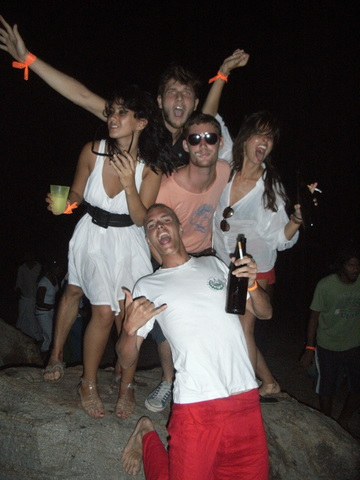
The Bay has seen the best, by far, Party this weekend!
A few hundred came all the way from Colombo and  some locals also purchased a 1,000Rs./ gate ticket.
The DJ, sound and crowd was good – the setting and nature perfect.
Not everyone has recovered so far.
Below just one glimpse from the Rock the Point Party.
Others might follow – if we get permission to publish that is….
Rocking the Point

Posted on July 17, 2008 by Goofyfoot Holidays

Pottuvil Point, Arugam Bay

hi,

we are once again going to Arugam Bay with yet another group of fun loving people. and it looks like it is going to be the weekend of the year in Arugam Bay.

the weather is good, the surf is definitely up, the biggest beach party in Sri Lanka this year is sold out and it definitely looks like its going to rock. goofyfoot holidays is going to be there and we hope that so will you.

for the first time ever in Sri Lanka you will see brand new surfboards (shortboards & funboards) making their way in the beautiful A-bay. anyone can have one. so come find us there and see what you can get. we’ve also got real bodyboards that any pro would love to ride.

come back soon to hear about the weekend and see the bay in pictures,

hang loose,

Goofyfoot Holidays

source:
http://www.goofyfootholidays.com/follow-our-latest-trip-to-arugam-bay/

Mirissa harbour reopened

By Dilrukshi FernandoThe newly constructed Mirissa harbour which was damaged in the 2004 tsunami will be reopened today, a Minister told a news conference yesterday.

Fisheries Minister Felix Perera said this was the second harbour to be reconstructed under the USAID funded project amounting to Rs. 480 million.

The Ministry said performance capability of the reconstructed harbour would be increased and a marked improvement seen in the capacity of the harbour basin and fuel efficiency with the use of the travel lift.

“The tsunami destroyed 85% of the country’s fisheries industry and ten of the twelve main harbours placing the industry in grave danger,” Minister Perera said adding that with the aid provided by the United States Sri Lanka was able to revive the industry.

The next harbour to be reopened is the one at Kudawella Harbour on August 8.

In June the Hikkaduwa Harbour and Arugam Bay Bridge were reopened.

“The US government plans to complete all its tsunami aid projects including a water plant in Potuvil,” USAID Mission Director Rebecca Cohn said.

The Mirissa Harbour is bound to benefit 7,500 fisher folk living in the area. It includes a hundred metre jetty at the main breakwater and a seventy metre jetty at the second breakwater. The harbour also includes improved facilities for damaged boat removal and drainage as well as a newly built auction hall.

source:
http://www.dailymirror.lk/DM_BLOG/Sections/frmNewsDetailView.aspx?ARTID=20628

AbaY Video

Various short clips and Amateur Videos of Arugam Bay are posted here:

http://www.truveo.com/tag/ArugamÂ