Monthly Archive for June, 2007

PottuVille – Arugam – Panama Matters

June 29th, 2007

15 Comments Add your own

  • 1. Susith Ruwanpura | June 29th, 2007 at 9:21 am

    Muslims live all over Sri Lanka. Sinha Flag is the national flag. If they want to live under one of their flgs, they need consider migrating to a Muslim country and and live there happily. Sri Lanka is the country of Sinhalese, and Sinhalese welcome all ethnic and religios people to live peacefully sharing the country. These curious muslims want another problem created. The government has the right to create colonies, and no one has a right to object, because no body owns any provice of the country

  • 2. Jeronimo Azavedo | June 29th, 2007 at 9:54 am

    Absolute claptrap. The muslims are in the East because of state aided colonisation. The Portuguese persecution of arab traders resulted in the Muslims appealing to Senerat, Emporer of Ceylon and King of Kandy and he allocated land for the Muslims in the east to save them from Portuguese persecution.

    So if state aided colonisation is an issue, the very existence of muslims in the East should be questioned.

    The greatest beneficiaries of state aided colonisation are the Tamils, with millions settled by colonial powers to work the cinnamon, rubber, tea, coffee and tobacco plantations in Jaffna.

    Those who benefitted from state aided colonisation are today opposing it to serve their prejudices.

  • 3. A peace loving citzen in Ampare | June 29th, 2007 at 1:47 pm

    As had been explained by the Eastern Provincial Council Sri Lanka, the flag of the Eastern Province had been designed by the Cultural Department of the Eastern Provincial Council and it contains three symbols which were embodied in the district flags used since independence where Trincomalee had an Eagle, Batticaloa a Fish and Ampare and animal similar to a lion found in ancient Sri Lankan flags. These symbols have existed with out any protest for over 60 years and why is the sudden alarm. Muslim encroachment was quite visible in the Pothuvil area since of late, creating fears among Tamils and Sinhalese.

  • 4. Mathy | June 29th, 2007 at 3:20 pm

    The Governments planned colonisation was started a long time ago with a motive of changing the demographic pattern of the society. When I look at the comments made by two un-civilised people (Susith and Jeromino), I think the country has no alternative other than dividing in to two.
    If muslims face discrimination in the second state, then their struggle for freedom will start. It all depends on how we get civilised and learn to live in harmony,

  • 5. Thamilan | June 29th, 2007 at 3:25 pm

    Susith Ruwanpura,

    Sri Lanka is not the country of the Sinhalese, the rightful claimer to the Islands are Veddhas (also Tamil), second claimers are Chola, Pandiya, Chera and Pallava Tamils (who originally inhabits and inhabited North and East long before Vijaya’s arrival due to the rich pearl fishery controlled by the Tamil Empires) and then third are the Sinhalese (mixture of Bengal and Tamil Blood).

    If you want a place to call Sinhala homeland then I suggest you go back to where Vijaya and his 700 followers were born because Tamils of Tamil Nadu and Tamils on this Island will never accept your pathetic claim. Just because you hold the majority does not give you sole ownership of the Island.

    You are forgetting that if the Tamils at that time weren’t welcoming to foreigners like Vijaya, you wouldn’t be here talking trash. For the last 60 years the Sinhalese have done what the white men did to the Natives of the Americas. If the LTTE fails to remind the estimated 16 million who have the right to claim the Island then for sure the 70 million Tamils will remind you (if you still choose not to listen then annihilation of the Sinhalese are inevitable).

    Jeronimo Azavedo,

    Get your fact straight. The British brought poor Tamils from the mainland to work in the Tea plantation in the Hill areas, not in Jaffna. Tamils in the East, North and North West were on the Island long before the arrival of Vijaya. The Sinhalese never had a state and never aided any of the minorties.

    By the way, because of the Sinhalese and the rivalry between the two Sinhalese kingdoms the Portugese got a foothold in Sri Lanka. They invited the white men whom at the ended suppresed Tamils (after defeating the Jaffna Kingdom), Muslim and they specially suppressed their inviters (the Sinhalese) in a brutal manner unimaginable.

    This whole island is in ruin because of the hospitable culture of the Tamils, if we were more like the Japanese then we wouldn’t have had this problem in the first place.

  • 6. wassa | June 29th, 2007 at 3:34 pm

    The singahlese king gave the muslims land when they were persecuted by Indians and others under one condition.They came to the Singhala king and asked about staying in Sri Lanka and the king granted permission and said “as long as you take Singhalese names and speak singahalese that is ok”.But they did not want to integrate into the Singhalese society.This is very difefrent from Irish,Scottish and Welsh who live in Engaland.They all integrated in England like Chinese in Thailand.There are 16%Chinese in Thailand but speak Thai and take all Thai names and at school study in Thai only and there are no Chinese holidaysvalid in Thailand.Muslims never integrated in England too and all these separate talks destroy countries whoever the Ethnic group is.In Sri Lnakan flag green color represents Muslims.
    There are many Mosques in Anuradhapura as well as in Rome, Italy.Can we make a temple or church in Saudi Arabia?I dont think so.

  • 7. Suresh M | June 29th, 2007 at 3:37 pm

    What were you thinking when you wrote this page? Do you know the climatic condition of Jaffna? Coffee, Tea, Rubber, Cinnamon. Pity you.

  • 8. wassa | June 29th, 2007 at 3:40 pm

    Muslims are living happily among Singahalese but where there are only Muslims they want there own flags.This is utter rubbish and a road to separatism.15% Tamils want one third of the Sri Lanka.This is the only place for singhales people and everybody is welcome to stay here without making problems.During the liberation struggle against Portugese,Dutch,English and Cholas Singahlese were the ones who fought to secure Sri Dalada and the Sinhalaese kingdom.These separatists have to think about it,In East there are many lands that were belong to temples during the Singhalese kings were occupied by Muslims and Tamils at the moment.

  • 9. Baptist, UAE | June 29th, 2007 at 4:02 pm

    Sucessive sinhala governments have been sinhalaising the traditional tamil and muslim dominated east through re-drawing of borders, annexing sinhala villages from other districts, colonisation force and forceful eviction of people. In the 1930s Sinhalese constituitted only 8% of the popluation of the east; now they are near 30% if not more. Such a change has not brought about by natural demographic changes. The creation of ‘digamadulla’ of what should have been the muslim dominated Amparai district into a sinhala dominated area is a major point in case. Recent eviction of Tamils from Muthur and Sampoor is another. The disunity amongst Tamils and Muslims is assiting such atrocities. If we Tamils are fighting for our rights and liberation of our land, we cannot deny the Muslim brothers who share the same language and homeland, their rights. We must support them in their fight for justice., not suppress them. I think it is about time the tamil leadership openly recognise the muslims as a distinct ethnic group, their traditional lands, and equal status. If a separate Tamil nation is to be established, it should guarantee devolution of powers and fair representation to the muslims, and guarantees to the traditional sinhala villages falling withinh north & east of equality and protection. Otherwise we can not claim to be fighting for a just cause, rather we will be a mirror image of the oppressive sinhala governments we are fighting against.

  • 10. dias | June 29th, 2007 at 5:55 pm

    It is ironic that the self procalimed peace group, “Coalition of Muslims and Tamils for Peace and Coexistence”, in its prologue says, “Specifically, we are committed to the peaceful coexistence of Muslims and Tamils in the country, particularly in the north and east, and to a just and equitable solution to the ethnic conflict.”

    Aren’t you interested in peaceful co-existence with the Singhalese? May be the Singhalese would have felt comfort had it been worded ” …. Muslims and Ramils and Singhalese …”.

  • 11. naguleshan | June 29th, 2007 at 8:23 pm

    Tamils speaking SrI Lankans, including Muslims, enjoy the privilege to live every corner of the country, making their homeland everywhere.

    But a Sinhala man / woman cannot do the same. They become a minority in the NE, whereas in the South and the West no one cares for percentages of ethnicity.

    Why?

  • 12. ernest macintyre | June 29th, 2007 at 10:48 pm

    Your photograph here of young boys in Sainthamaruthu, like so many other photos of young children within terribly stricken communities, is the only encouraging light within ” the encircling gloom”. They “know not,” in the Darwinian sense of the survival of the species, what we older people have done.

  • 13. Jeronimo Azavedo | June 30th, 2007 at 3:02 am

    The plantations and state aided colonisation, follow european conquest of Sri Lanka. The first kingdom to fall to the portuguese was the Kingdom of Jaffnapattnum and it was here where the first plantations were established, Tobacco. I refer you to the accounts of the kingdom of Jaffna pattnum of Captain Major Mascarenas which show tobacco as the largest revenue of Jaffna for the Portuguese at the time.

    This period also shows large scale Tamil plantation workers brought into Jaffna from South India and the introduction of some 5000 deep wells in Jaffna- which are in effect South Indian wells.

    Before this the wells of Jaffna were like the wells in the rest of the country, where you walk down to the water and the water is at your foot level.

    The population composition of Jaffna also changed during this period, with the Sinhalese of Jaffna also completely becoming extinct.

    But there are still todate, over 1000 Sinhala place names in Jaffna which remain in a Tamilised form. Sanga thana has become Sanga Thanai, Aliya Wala has become Aliya walai, Maracci rata has become Wadamarachchi and Thenamarachchi, Weligama has become Welikamam.

    This pattern was repeated for Cinnamon, rubber, coffee and tea plantations of Sri lanka with over one million state aided colonisation of Sri Lanka, displacing significant numbers of the Sri Lankan population and rendering them landless.

    The Muslims were settled in the East by Emporer Senerat, because the Portuguese were battling the arabs for the sea trade and they were persecuting the muslims in the West. They approached Senerat and seeked refuge and was granted refuge in the East, which was a part of the Kandyan Kingdom of Senerat, the father of Maha Astana, later Raja Singha II of Kandy.

  • 14. Anand. G. | June 30th, 2007 at 3:09 am

    Why create more complicated issues out of a symbol in a flag when you have your plate of problems already overflowing. If you are looking for peace (in any form) the first thing to avoid is nit picking.

  • 15. Thamilan | June 30th, 2007 at 11:11 am

    Jeronimo Azavedo,

    Jaffna Kingdown was the first to fall but who invited the Europeans? It was the Sinhalese. Jaffna was the land of pure Tamils, maybe they had some Sinhalese traders, but it was never dominated or never will be dominated by the Sinhalese. Over 1000 Sinhalese place name? Yeah they also borrowed all the Tamil words to make the Sinhalese language, in that case of course you can claim that there are more then 1000 names in Jaffna that are Sinhalese. The courts of the Sinhalese Kingdoms used Tamil as the official language not Sinhalese (because the language was not developed enough). People like you are the ones who believe that Buddha flew on a cloud and that he offered Lanka to the Sinhalese. Wake up to the reality.

  • source:

    http://federalidea.com/focus/archives/36

ALIYA Wildlife Project

ALIYA ECO PROJECT Sri Lanka…..
Elephant ….is active Nature & Wildlife preservation projects connected with a ecological type of tourism. ALIYA Eco Tourism is mainly focused on nature watching as well as good and thrilling photo safaris. We offer simple day trips as well as overnight arrangements and whole Sri Lanka Tour Packages. The main focus however always remains the importance of nature itself. ALIYA ECO PROJECT continues to be critical. And even self critical.
We will not be temped to suggest a perfect illusion but wish to continue our mission. That is  to draw attention to all associated problems. Although the tourist part of our project is kind of commercial, but the ultimate aim is to support all other aspects of our program.
This includes promotion of the entire area, creation of employment and awareness of the importance of nature preservation both in visitors as well as residents. Visitors can help with education locally.
A well run nature project is seen as an investment into the future and will bring long term benefits to the area. The project is also of importance to the local people with ongoing employment opportunities and environmental awareness. Tourist come to enjoy unspoiled nature; if destroyed they will go elsewhere. Everyone should realise the merit of our Eco Tourist activities.
It is important to get the right balance between Nature and tourism.

Why ALIYA ?

Because we, the ALIYA Team love the nature. We like to do something. Preserve wildlife environment.

openland
You can help ! Support ALIYA Ecoproject.
A wild animal orphanage, just for example, is essential. There are Bimbo and Charlie the two monkeys already and they did not come on order. Now there are four. Coco and Baby. They all appear as a surprise. We would already be a mini zoo if we could accept more ‘inmates’, but the location in Ella is not good to keep wild animals.

As things stand there is no facility which has sufficient professional knowledge to care for the individual needs of most species. However, we are connected to good data bases, experts and media as well as other organizations where we can educate ourselves as well as teach local staff.
Already we have an interested pool of eager students who are happy ts learn and assist us. We wish we had the funds to reward them, to employ them and to construct and maintain facilities together with them.

Education, teaching and awareness are in any event the key elements. Our plan is to acquire a multi purpose vehicle, a kind of multi media exhibition bus to tour the wider area. We would love to present an interesting, gripping show how much we all stand to loose and how much we have to gain if we all understand the problems we are facing. This bus would be welcome in schools, farming areas and public gatherings because it is totally neutral and concentrates of the improvement of rural life as a whole. In addition we are confident that we can save many  lives of endangered species.
Village
We would like to incorporate a coordinating centre for environmental offenses where serious crimes can be recorded and maybe acted upon. For example, no common data base for dead elephants exists; we would like to change that to start with.
Projektbausteine Education, teaching and awareness are in any event the key elements. Our plan is to acquire a multi purpose vehicle, a kind of multi media exhibition bus to tour the wider area. We would love to present an interesting, gripping show how much we all stand to loose and how much we have to gain if we all understand the problems we are facing. This bus would be welcome in schools, farming areas and public gatherings because it is totally neutral and concentrates of the improvement of rural life as a whole.
In addition we are confident that we can save many  lives of endangered species.
We would like to incorporate a coordinating centre for environmental offenses where serious crimes can be recorded and maybe acted upon. For example, no common data base for dead elephants exists; we would like to change that to start with.

If we could offer substantial rewards to anyone who reports the shooting of an elephant we could press for proper and legal prosecution in a Court of Law.

orphanage
We are confident that as soon as one or two ivory hunters and dealers are caught and perhaps jailed the spin off effect will be a deterrent to others. If we have means, the existence of our office will soon be common knowledge and perhaps seen as a source of legitimate income by some who are also interested in helping nature to fight back and cowards with a gun.
Our plan:
ALIYA ECO PROJECT can only succeed with some basic finance. We are actively looking for a Sponsor. Without some support the project is doomed to fail. Ever since my arrival in Sri Lanka I only received support from the SVH at Arugam Bay, friends in Ella, friends in Colombo and from the Planet Internet Cafe. I live there, work from there, communicate from there and operate the modest orphanage from its premises. But in order to expend and work effectively and independend it is essential to form a separate legal entity, such as a Company or Organization.
localhouse
The most difficult and perhaps most expensive part is to obtain all relevant legal documents and permissions. But also we need to work more closely with other organizations as well, that much is realised. But I am unsure who can and will cooperate with us, as we have set very high standards.
Suitable premises somewhere on the edge of the village or even close to the Nationalpark should be found, rented or better still purchased. Some good locations are offered already. A small building may later be erected to house not only an essential shelter and an office, but also accommodation for staff and the odd visitors and guests. The little office needs Internet and telephone connections. We need to construct secure enclosures for wild animals. Further a suitable 4X4 vehicle is essential. A schooling and teaching bus to educate pupils and farmers would also help tremendously. After a relative moderate initial investment we are confident that ALIYA ECO PROJECT will be totally self supporting and act as successful employer in this remote area. Administration and accounting shall remain transparent and open for inspection to all interested parties.
From a sponsor point of view this is a very worthwhile, popular Project and offers excellent advertising possibilities. Should a sponsor be a Company, we suggest staff rewards in the shape of subsidised travel and wild life experience holidays. In the case of Universities or Organizations an exchange or partnership is envisaged. Both with the view to evaluate and help each other’s projects and to assist in local education.
Whatever, any investment will pay for itself in a very short period of time.
Not many other projects can offer such valuable tasks and rewards.

New School

school-outside-view.JPG

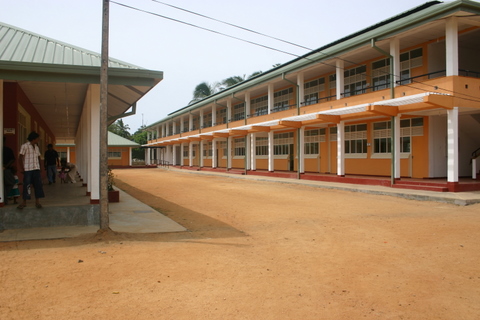
A fine new school building has been opened in Arugam Bay.
Constructed and financed by ‘The Italian People’ the actual buildings look as good as any Italian design.
They replace the old and very basic school on the southern end of town, which was washed away in late 2004.
Interesting is the fact that two other donors were ready to rebuild this particular school:
Arugam.info knows of involvement by “Hamburg Hilft“, some USA group or charity headed by a certain Mr. Sugat Abeygunaratne and a Kandy group called “Success“.
In the event, the Italian People seem to have been rather more Successful.
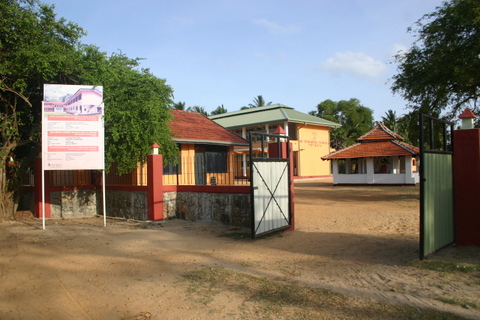
school-entrance.JPG

Whilst the structure is in place, and residents are very happy, thankful and proud to have such a fine building for our kids some wonder how to improve the level of teaching.
Being yet another school without the desired label “International School” – (open to all ethnic groups) the world language English in this Sinhalese institution certainly could benefit from certain improvements:

ceramic-workshop.JPG

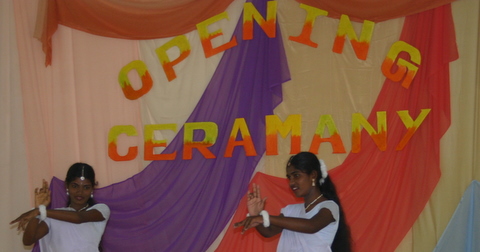
As Arugam.info was not invited the the Grand Ceremony, however, we are unsure if there are attached pottery classes or a fine China Ceramic Workshop included in this worthwhile project.
If so, and if we are ever proven wrong in our view that a COMMON School, teaching in NEUTRAL English would be the only way to improve respect and mutual understanding of future generations in our troubled island we humbly apologize herewith.

Whatever the case may be, at least the “Opening” of this (what some see as yet another separatist school) seems to have been a full “Success”!
Thanks to the very generous ITALIAN PEOPLE!

Book Review – Content


Sri Lanka – zum ersten Mal ist die junge Rucksackreisende allein unterwegs. Zunächst hält sie sich an der touristisch gut erschlossenen Westküste der Insel auf, wo sie die Traveller-Szene kennen lernt – reiseerfahrene Globetrotter und Aussteiger verschiedener Nationalitäten. Gemeinsam mit anderen Travellern unternimmt sie von dem Urlaubsort Hikkaduwa aus Kurztrips, wie zum Fest der Büßer nach Kataragama, wo sich gläubige Hindus peinigen und kasteien, indem sie sich Eisenhaken durchs Fleisch bohren und sich an Gestellen daran aufhängen, um für ihre schlechten Taten Buße zu tun – sie taucht ein in eine fremde und geheimnisvolle Welt.
vergrößern
vergrößern Schon bald entfernt sich die abenteuerlustige Individualreisende von dem klassischen Urlaubsort an der Westküste und reist an die touristisch kaum erschlossene Ostküste der Insel. Warnungen, dass diese Region politisches Krisengebiet sei, hatte sie einfach in den Wind geschlagen. In einem Fischerdorf, in dem nur wenige Touristen in Palmblätterhütten ohne Strom und fließend Wasser wohnen, lernt sie den Tamilen Suriya kennen, durch den sie Einblicke in das Leben und die Kultur der Einheimischen erhält und mit dem sie bald eine innige Beziehung verbindet.

Doch das friedliche Fischerdorf bleibt von den Auswirkungen des Bürgerkrieges nicht verschont. Ihr tamilischer Freund und seine Brüder geraten in Gefahr. Sie selbst wird bei einer nächtlichen Fahrt nach Colombo bestohlen, gerät in der Hauptstadt in die Wirren des Bürgerkrieges und entkommt nur knapp einem Bombenanschlag. Doch es gelingt ihr, zurück an die Ostküste zu gelangen. Als der Monsun einsetzt, lebt sie in dem Fischerdorf fast nur noch unter Einheimischen.
vergrößern
vergrößern Obwohl sie ihrem tamilischen Freund beistehen will, muss sie das Land verlassen, da ihr Visum für Sri Lanka abgelaufen ist. In einer strapaziösen Zugfahrt reist sie nach Goa, an die Westküste Indiens, das damals noch nicht mit dem Flugzeug zu erreichen war. Hier lernt sie die legendären Partys kennen, doch die Szene ist nicht ihr Ding. Schon bald zieht es sie zurück nach Sri Lanka, obwohl die Ostküste inzwischen Bürgerkriegsgebiet ist. Sie will Gewissheit haben, ob ihr tamilischer Freund in Sicherheit ist … Weit ist der Weg bis zum Krokodilfelsen …
Basierend auf einer wahren Begebenheit, inspiriert durch eine faszinierende Reise durch ein exotisches Land.

Book Review

Presse/Rezensionen


Backnanger Kreiszeitung vom 11.05.2006:

zum Vergrößern bitte hier klicken

Stuttgarter Nachrichten vom 26.09.06:Sehnsucht nach dem früher so paradiesischen Sri Lanka
Claudia Ackermann aus Backnang hat ihren ersten Reiseroman geschrieben
Backnang – Durch die starken Unruhen, vor allem im Osten des Landes gerät Sri Lanka immer wieder in die internationalen Schlagzeilen. Mehrfach hat die Backnangerin Claudia Ackermann den Inselstaat besucht – und ihre Erlebnisse literarisch zu dem Reiseroman “Der Krokodilfelsen – Sehnsucht nach Sri Lanka” verarbeitet.
Vor einigen Jahren “es ist schon ziemlich lange her” war sie als unerfahrene Rucksacktouristin zwölf Monate in Asien unterwegs. Indien, Nepal, Thailand, Malaysia und Singapur waren die Stationen, doch die meiste Zeit verbrachte sie in Sri Lanka. An der Westküste lernt die Ich-Erzählerin die schon damals typische Traveller-Szene kennen: Individualreisende und Aussteiger aus den verschiedensten Nationen. Doch auch dort wird das Urlaubsparadies bereits von politischen Unruhen gestört.
Drastisch schildert sie im Roman eine Bombenexplosion in der Hauptstadt Colombo: “Die Gäste drängten in Panik zum Ausgang, und ich versuchte ebenfalls, die Tür zu erreichen. Aber ich wurde zur Seite gestoßen, stolperte und stürzte. Füße trampelten über meinen Rücken hinweg.”
Sie reist an die touristisch kaum erschlossene Ostküste der Tropeninsel, in einem Fischerdorf lernt sie einen Tamilen kennen, mit dem sie eine besondere Beziehung verbindet. Später folgt ein Trip nach Goa, an die Westküste Indiens – wo es schon damals legendäre Partys gab, wo Mädchen mit Henna gefärbten Haaren sich in Trance tanzen, bis ihre Füße vom Sand wund gerieben sind.
Eine chronologische Beschreibung der damaligen Entwicklungen soll ihr Roman nicht sein, versichert Claudia Ackermann. Verschiedene Personen verschmolzen zu einer, manche Beobachtungen spinnt die Autorin einfach in eine völlig andere Richtung weiter. Während ihres Studiums der Ethnologie und Germanistik in Köln fand sie Notizen und Unterlagen aus jener Zeit, und da reifte die Idee, das Ganze zu Buch zu bringen. Herausgekommen ist ein unterhaltsamer, spannend zu lesender Reiseroman, der die durchaus paradiesischen Empfindungen beschreibt, aber auch die massiven Probleme Sri Lankas nicht beschönigt.
Fasziniert habe sie “die Schönheit der tropischen Insel mit ihren palmengesäumten Stränden und dem türkisblauen Meer, üppiger Vegetation und ausgedehnten Reisfeldern”, sprudelt es aus ihr heraus. Umso mehr betrübt sie die politische Situation, der latente Bürgerkrieg und die Folgen des Tsunami. Derzeit arbeitet Claudia Ackermann, die Mutter einer 11-jährigen Tochter ist, als freie Journalistin und ist Mitautorin eines neuen Backnanger Jahrbuchs, das in Kürze veröffentlicht und im Backnanger Helferhaus vorgestellt wird.
(Dirk Herrmann, Stuttgarter Nachrichten)

Forum der Reise spinne am 27.11.06:


Buchbesprechung: “Der Krokodilfelsen – Sehnsucht nach Sri Lanka”Der Krokodilfelsen – Sehnsucht nach Sri Lanka
Ein ReiseromanAls ich vor einiger Zeit das Buch „Der Krokodilfelsen” geschenkt bekommen habe, hat es lange Zeit auf meinem „zu-lesen”-Tisch neben der Couch verbracht. Auf der einen Seite hat es mich gereizt, mal wieder etwas über Sri Lanka zu lesen – auf der anderen Seite hat mich eine Passage in der Inhaltsangabe auf der Rückseite abgeschreckt: „In einem Fischerdorf lernt sie (Anmerk.: die Hauptperson) den charismatischen Tamilen Suriya kennen. Doch die sich entwickelnde Beziehung wird von den Auswirkungen des Bürgerkrieges eingeholt…”
Sollte ich mich tatsächlich mit einem Buch befassen, bei dem ich nach der Hälfte schreien möchte „Hört mit dem Geknutsche auf, ich will ‘was über Land und Leute lesen!”?
Irgendwie habe ich es dann doch geschafft, das Buch länger als bis zum Durchlesen der Inhaltsangabe in der Hand zu halten und kann, nun da ich die letzte Seite umgeblättert habe, nur sagen, dass ich mich ganz fürchterlich getäuscht habe! Das Buch ist keine „Vom Winde verweht”-Schnulze vor einer sich in Herzschmerzangelegenheiten so gut machenden Bürgerkriegskulisse. Ich hätte mich einfach stärker an die Bezeichnung „ein Reiseroman” halten sollen.
Wer sich also nicht abschrecken lässt, der unternimmt zusammen mit der Autorin Claudia Ackermann auf knapp 200 Seiten einen sehr unterhaltsamen Kurztrip nach Sri Lanka mit einem kleinen, ernüchternden Abstecher nach Indien.
Rückblickend ist es schwierig zu sagen, ob eigentlich die Handlung oder die Beschreibung der Menschen, ihres Verhaltens und der Landschaft im Vordergrund steht. Geschickt verwebt Claudia Ackermann touristische Informationen mit einer Vielzahl von kleinen Details, die bei jedem ehemaligen Sri Lanka Urlauber Erinnerungen wachrufen, und mischt sie mit einer abwechslungsreichen Geschichte.
Kleinere Ungereimtheiten („Schließlich erreichten wir den Bahnhof von Nuwara Eliya.” Anmerkung: Nuwara Eliya hat keinen Bahnhof. Der nächste Bahnhof ist in Nanu Oya, etwa 9 Kilometer entfernt) fallen beim Lesen nicht auf oder sind schnell unter künstlerischer Freiheit verbucht – immerhin handelt es sich ja nicht um einen Reiseführer, sondern um einen Reiseroman. Aber gerade was die im Buch geschilderten Sitten und Gebräuche angeht, so kann „Der Krokodilfelsen” es durchaus mit einem Reiseführer aufnehmen. So ganz nebenbei erfährt der Leser, z.B. warum die linke Hand besser nicht zum Essen genutzt wird, was Frauen im Gedränge im Bus passieren kann und welche Verhaltensweise man bei Straßensperren lieber nicht an den Tag legt.
Auf diese Weise empfiehlt sich das Buch nicht nur für ehemalige Sri Lanka Touristen zum Schwelgen in Erinnerungen, sondern auch zum Aneignen einiger „Do’s and dont’s” vor der ersten Reise.
Mir hat das Lesen, nach meiner anfänglichen Zurückhaltung, Spaß gemacht und das Ende des Buches war schneller erreicht, als ich es mir gewünscht hätte.

(Jan Henning)

A Love That Will Never Grow Old

Oprah Whinfrey Show @ Arugam Bay:
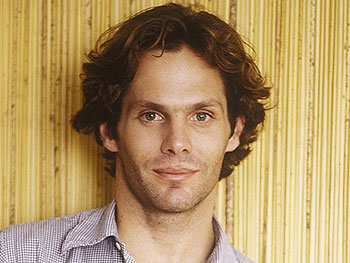
fernando-bengoechea.jpg

When catastrophe strikes and you know someone in it, it all becomes more real. Nate Berkus, who has helped dozens of guests on the show decorate their homes, was vacationing in Sri Lanka with his partner when the tsunami hit. While Nate survived, his partner, photographer Fernando Bengoechea, is still missing.

After the final wave receded, the stunned tourists and locals of Arugam Bay and nearby Pottuvil were left to face the utter devastation left behind. In this area alone, more than 400 people died and hundreds were injured. Dozens are still missing. More than 2,000 homes were damaged or destroyed leaving an estimated 7,000 homeless. It will be years before this former paradise will be able to recover from this historic disaster.

When Nate finally made the emotional 30-hour journey back from Sri Lanka, Oprah visited him at his home, where he told of unbelievable stories of courage and of loss, of anguish and compassion. There are countless stories like these rising from the heartbreaking wreckage of southeast Asia. Nate is here today to share his own story
(also see: Press reports section on this site)

A Love That Will Never Grow Old

Survival Stories

squire-family.jpg

1
When catastrophe strikes and you know someone in it, it all becomes more real. Nate Berkus, who has helped dozens of guests on the show decorate their homes, was vacationing in Sri Lanka with his partner when the tsunami hit. While Nate survived, his partner, photographer Fernando Bengoechea, is still missing.

After the final wave receded, the stunned tourists and locals of Arugam Bay and nearby Pottuvil were left to face the utter devastation left behind. In this area alone, more than 400 people died and hundreds were injured. Dozens are still missing. More than 2,000 homes were damaged or destroyed leaving an estimated 7,000 homeless. It will be years before this former paradise will be able to recover from this historic disaster.

When Nate finally made the emotional 30-hour journey back from Sri Lanka, Oprah visited him at his home, where he told of unbelievable stories of courage and of loss, of anguish and compassion. There are countless stories like these rising from the heartbreaking wreckage of southeast Asia. Nate is here today to share his own story.

2
Nate’s partner, Fernando Bengoechea, is still among the missing. Fernando, an internationally acclaimed photographer, has had his work appear in major magazines including O, The Oprah Magazine. From celebrities, to gorgeous interiors, exotic locations and wonderful portraits of humanity, Fernando captured spirit and beauty. Fernando’s family recently released this statement:

“Based on all of the information we have gathered and the search team’s extraordinary efforts, we still have not heard any word of Fernando. Therefore, it is with great sadness, we are forced to presume Fernando died in the tsunami. We believe everything that could be done has been. This is a difficult thing to say, comprehend and accept. We are sure there will always be a bit of hope in our hearts…He will be greatly missed…”

3
Marcelo Bengoechea says his brother Fernando “was just the most wonderful person you could probably meet.”

“And I just want people to know that his life meant so much for so many people that it’s a pleasure to have been part of his life and I’ll for sure continue his life through mine and my wife and kids and Nate and all of his friends…I’m sorry, I have no words…It’s very hard.”

Oprah says, “I want to keep saying [Fernando's] name out loud because I think it’s important for everybody who’s lost their life for their life to be more than that moment of death. And his work and his art will live on for everybody who he filmed; for everybody whose life he touched. But we get to see him through his work forever.”

4
Arugam Bay was a seaside paradise, tucked away off the southeast coast of Sri Lanka. The only way there was a bridge from the nearby town of Pottuvil, a remote Shangri-La of white sandy beaches, swaying palms, world class surfing and colorful fishing boats. Arugam Bay was so far off the beaten path, only surfers and adventurous travelers had discovered this charming village. It was here at the quaint Stardust Hotel where Nate and Fernando were vacationing when the tsunami came out of nowhere.

It was 9:30 a.m. and Nate and Fernando were making plans for the day in their hotel room, a small hut about 50 feet from the shore. All of a sudden, water started pouring into the room very fast. As Fernando tried to pick things up off the floor, they suddenly heard a crack. The next thing Nate knew, he was trapped on the floor underneath the bed, his face pressed to the wall and floor, and he was covered with water.

Nate explains, “I remember thinking to myself, ‘I have to get up. I have to get my face up because I can’t breathe.’ And in the next minute, it was really a miracle. The roof of the hut was torn off by the force of the water. And both Fernando and I were taken out of the hut and it just felt like we were drowning immediately…The force of the water was so great and the debris in the water was so extreme because…all the nails and the wood and the barbed wire—you were swirling within all of those things. So I had a lot of scratches and cuts which I didn’t know how I had received, but I realized that it was because…I was in a soup of everything.”

5
Nate and Fernando were washed out into the swirling water, and ended up popping up together. Fernando swam to Nate and they just tried to stay together. “And then a minute later, we were drowning again,” Nate says. “And we popped up again and…we were still moving forward at about 50 or 70 miles an hour, but the water wasn’t coming over our heads any longer. So you could breathe. And that was the main goal—to breathe.”

As the currents swirled around the two, they tried to keep their heads above water. They were again separated and reunited in the mayhem. When they both grabbed and held onto a telephone pole and to each other, the water calmed and then Nate says Fernando kept saying, “It’s over.” “And then all of a sudden we felt the water surge again and [Fernando] looked at me and said, ‘It’s not over.’ And I felt his hand on the back of my shirt and I felt his hand slip away…And then I was drowning again.”

When Nate finally got up for air and the water had calmed again, “That is when I felt like I was in a video game,” he says. “And it’s the only way I can describe the sensation of my body traveling at such a speed in one direction and you visually are looking at the obstacles in your path—You have the presence of mind to have all of these obstacles coming in your path and you are really thinking about the present. ”

6
Nate was washed into a relatively calm area behind one of the few houses that was still standing after the first wave.

“I found myself in this pool of water where I wasn’t being pushed in any direction. There was a fence: the water was about as high as the top of the fence, and the fence was made out of logs and palm fronds.”

Nate believed that his only hope was in reaching that house’s roof. “Every time I stepped on a log, the water would take it away. So I would fall back, and then have to grab onto the next log. It happened about three times. Finally, the last log stayed in the ground and I was able to pull myself up on it and then reach the edge of the rooftop that was covered in red tiles.”

Nate was determined. “I thought to myself, I just need to climb up and I’m certain that Fernando is doing the same somewhere right around here. I reached out to grab the tile and the tile just broke off in my hand and I fell again.

“I climbed back up on the post and I thought to myself, ‘I am going to die if I don’t get on top [of the roof],’ and somehow I was able by just squeezing the side of the rooftop to pull my whole body on top of it.

“There was a Sri Lankan man sitting hanging onto the post and once I was up on top and out of the water, I reached down to try and help him. He grabbed my hand but didn’t have the strength to come up and then grabbed my arm and didn’t have the strength to come up and I don’t know what happened to him. On the rooftop, I just started calling out for Fernando and looking all around and just was expecting for him to say, ‘I’m here’ or ‘I’m hurt’ or ‘I’m in this tree.’”

7
From the rooftop, Nate realized that he could not stay there. “I remember thinking, ‘I have to climb back into this. If I want to survive and find [Fernando], I have to climb back in.’” So Nate lowered himself off the roof and “got into the water with bodies, with animals, with glass, barbed wire and everything and I had to walk about 150 feet back towards the direction where I thought our hotel was.”

At that point, Nate ran into Anneli, a Swedish guest at the same hotel where he and Fernando were staying. Anneli told Nate that another big wave was sure to come, and that they needed to get to higher ground. They ended up staying on this hill with other survivors, stranded, for about a day.

When rescue helicopters finally arrived, Nate was unsure what he needed to do. “I had a minute where I just didn’t know what the right thing to do was,” he says. “Should I actually leave, or should I continue looking [for Fernando]? I was hurt, we were running out of food, we were running out of water. Some of the water we were drinking we thought was contaminated. I just didn’t know at that moment what the right thing to do was. And Phil [Squire, another survivor] said to me, ‘It’s the right thing to do. Get on the helicopter because you can’t do anything for him here.’”

8
On the hilltop, someone miraculously had a cell phone that worked. Nate had a turn on the phone. He left an emotional message for his mother, Nancy Golden, which she says she’ll never forget or erase.

“Mother, it’s me,” Nate said. “Listen to me very carefully, okay? There’s been a horrible natural disaster in Sri Lanka. I am fine. I don’t have a passport and I don’t have anything, but there are many people here from different countries and we’ve already alerted the embassy. Fernando, I can’t find still and it happened hours ago, so I don’t know where he is. But I just want you to know that I am fine and that I will call when I have an opportunity. I borrowed the one cell phone that works from the government here. Okay? I love you.”

So how did Nate’s mother respond? “I was really in shock because I hadn’t heard about the tsunami at this point,” she says. “I was in an airport. And so I get this call and I’m thinking, ‘What has he survived? What is he alive from?’ My husband’s watching me take this call and I have no blood left in my body and I don’t even know who to ask. I saw some man with a laptop and I said, ‘Can you tell me if you know anything about Sri Lanka?’ And he said, ‘Yes, there’s been the largest natural disaster in a hundred years there … a tsunami.’ So I said to my husband, ‘[Nate] survived a tsunami? Oh, my God. I don’t believe it.’”

9
Letters of love and support have been pouring in for Nate. He says, “For the first three days when I was back in Chicago, I went to bed every night with a stack of thoughts and prayers from people for me and for Fernando and Fernando’s family. It literally made me go to sleep and gave me reason to get up.”

Kirstie Alley sent a video message of support to Nate, who helped her redesign her house. “Fernando is a free spirit,” Kirstie says. “And free spirits always have a way of finding their way home. I love you Nate.”

10
While Nate and his some of the amazing survivors he met were stranded on that hilltop for about a day, he says not everything about the experience was negative.

“Despite the death and the destruction and the horror, there was an incredible amount of beauty going on at that time,” Nate says. “The beauty in the midst of it was just so staggering. The kindness that was shown, not only to me, but to one another. You could feel the humanity: it was palpable and it was very, very real. When you’re there and you have nothing and you have no clothing and you have no identification and you have no water and you have no food, you are dependent on someone else’s smile.”

Anelli Priece

source: Oprah Whinfrey Show

on the Arugam Bay

PIP Mr. Fernando

fernando-bengoechea.jpg

1
When catastrophe strikes and you know someone in it, it all becomes more real. Nate Berkus, who has helped dozens of guests on the show decorate their homes, was vacationing in Sri Lanka with his partner when the tsunami hit. While Nate survived, his partner, photographer Fernando Bengoechea, is still missing.

After the final wave receded, the stunned tourists and locals of Arugam Bay and nearby Pottuvil were left to face the utter devastation left behind. In this area alone, more than 400 people died and hundreds were injured. Dozens are still missing. More than 2,000 homes were damaged or destroyed leaving an estimated 7,000 homeless. It will be years before this former paradise will be able to recover from this historic disaster.

When Nate finally made the emotional 30-hour journey back from Sri Lanka, Oprah visited him at his home, where he told of unbelievable stories of courage and of loss, of anguish and compassion. There are countless stories like these rising from the heartbreaking wreckage of southeast Asia. Nate is here today to share his own story.

2
Nate’s partner, Fernando Bengoechea, is still among the missing. Fernando, an internationally acclaimed photographer, has had his work appear in major magazines including O, The Oprah Magazine. From celebrities, to gorgeous interiors, exotic locations and wonderful portraits of humanity, Fernando captured spirit and beauty. Fernando’s family recently released this statement:

“Based on all of the information we have gathered and the search team’s extraordinary efforts, we still have not heard any word of Fernando. Therefore, it is with great sadness, we are forced to presume Fernando died in the tsunami. We believe everything that could be done has been. This is a difficult thing to say, comprehend and accept. We are sure there will always be a bit of hope in our hearts…He will be greatly missed…”

3
Marcelo Bengoechea says his brother Fernando “was just the most wonderful person you could probably meet.”

“And I just want people to know that his life meant so much for so many people that it’s a pleasure to have been part of his life and I’ll for sure continue his life through mine and my wife and kids and Nate and all of his friends…I’m sorry, I have no words…It’s very hard.”

Oprah says, “I want to keep saying [Fernando's] name out loud because I think it’s important for everybody who’s lost their life for their life to be more than that moment of death. And his work and his art will live on for everybody who he filmed; for everybody whose life he touched. But we get to see him through his work forever.”

4
Arugam Bay was a seaside paradise, tucked away off the southeast coast of Sri Lanka. The only way there was a bridge from the nearby town of Pottuvil, a remote Shangri-La of white sandy beaches, swaying palms, world class surfing and colorful fishing boats. Arugam Bay was so far off the beaten path, only surfers and adventurous travelers had discovered this charming village. It was here at the quaint Stardust Hotel where Nate and Fernando were vacationing when the tsunami came out of nowhere.

It was 9:30 a.m. and Nate and Fernando were making plans for the day in their hotel room, a small hut about 50 feet from the shore. All of a sudden, water started pouring into the room very fast. As Fernando tried to pick things up off the floor, they suddenly heard a crack. The next thing Nate knew, he was trapped on the floor underneath the bed, his face pressed to the wall and floor, and he was covered with water.

Nate explains, “I remember thinking to myself, ‘I have to get up. I have to get my face up because I can’t breathe.’ And in the next minute, it was really a miracle. The roof of the hut was torn off by the force of the water. And both Fernando and I were taken out of the hut and it just felt like we were drowning immediately…The force of the water was so great and the debris in the water was so extreme because…all the nails and the wood and the barbed wire—you were swirling within all of those things. So I had a lot of scratches and cuts which I didn’t know how I had received, but I realized that it was because…I was in a soup of everything.”

5
Nate and Fernando were washed out into the swirling water, and ended up popping up together. Fernando swam to Nate and they just tried to stay together. “And then a minute later, we were drowning again,” Nate says. “And we popped up again and…we were still moving forward at about 50 or 70 miles an hour, but the water wasn’t coming over our heads any longer. So you could breathe. And that was the main goal—to breathe.”

As the currents swirled around the two, they tried to keep their heads above water. They were again separated and reunited in the mayhem. When they both grabbed and held onto a telephone pole and to each other, the water calmed and then Nate says Fernando kept saying, “It’s over.” “And then all of a sudden we felt the water surge again and [Fernando] looked at me and said, ‘It’s not over.’ And I felt his hand on the back of my shirt and I felt his hand slip away…And then I was drowning again.”

When Nate finally got up for air and the water had calmed again, “That is when I felt like I was in a video game,” he says. “And it’s the only way I can describe the sensation of my body traveling at such a speed in one direction and you visually are looking at the obstacles in your path—You have the presence of mind to have all of these obstacles coming in your path and you are really thinking about the present. ”

6
Nate was washed into a relatively calm area behind one of the few houses that was still standing after the first wave.

“I found myself in this pool of water where I wasn’t being pushed in any direction. There was a fence: the water was about as high as the top of the fence, and the fence was made out of logs and palm fronds.”

Nate believed that his only hope was in reaching that house’s roof. “Every time I stepped on a log, the water would take it away. So I would fall back, and then have to grab onto the next log. It happened about three times. Finally, the last log stayed in the ground and I was able to pull myself up on it and then reach the edge of the rooftop that was covered in red tiles.”

Nate was determined. “I thought to myself, I just need to climb up and I’m certain that Fernando is doing the same somewhere right around here. I reached out to grab the tile and the tile just broke off in my hand and I fell again.

“I climbed back up on the post and I thought to myself, ‘I am going to die if I don’t get on top [of the roof],’ and somehow I was able by just squeezing the side of the rooftop to pull my whole body on top of it.

“There was a Sri Lankan man sitting hanging onto the post and once I was up on top and out of the water, I reached down to try and help him. He grabbed my hand but didn’t have the strength to come up and then grabbed my arm and didn’t have the strength to come up and I don’t know what happened to him. On the rooftop, I just started calling out for Fernando and looking all around and just was expecting for him to say, ‘I’m here’ or ‘I’m hurt’ or ‘I’m in this tree.’”

7
From the rooftop, Nate realized that he could not stay there. “I remember thinking, ‘I have to climb back into this. If I want to survive and find [Fernando], I have to climb back in.’” So Nate lowered himself off the roof and “got into the water with bodies, with animals, with glass, barbed wire and everything and I had to walk about 150 feet back towards the direction where I thought our hotel was.”

At that point, Nate ran into Anneli, a Swedish guest at the same hotel where he and Fernando were staying. Anneli told Nate that another big wave was sure to come, and that they needed to get to higher ground. They ended up staying on this hill with other survivors, stranded, for about a day.

When rescue helicopters finally arrived, Nate was unsure what he needed to do. “I had a minute where I just didn’t know what the right thing to do was,” he says. “Should I actually leave, or should I continue looking [for Fernando]? I was hurt, we were running out of food, we were running out of water. Some of the water we were drinking we thought was contaminated. I just didn’t know at that moment what the right thing to do was. And Phil [Squire, another survivor] said to me, ‘It’s the right thing to do. Get on the helicopter because you can’t do anything for him here.’”

8
On the hilltop, someone miraculously had a cell phone that worked. Nate had a turn on the phone. He left an emotional message for his mother, Nancy Golden, which she says she’ll never forget or erase.

“Mother, it’s me,” Nate said. “Listen to me very carefully, okay? There’s been a horrible natural disaster in Sri Lanka. I am fine. I don’t have a passport and I don’t have anything, but there are many people here from different countries and we’ve already alerted the embassy. Fernando, I can’t find still and it happened hours ago, so I don’t know where he is. But I just want you to know that I am fine and that I will call when I have an opportunity. I borrowed the one cell phone that works from the government here. Okay? I love you.”

So how did Nate’s mother respond? “I was really in shock because I hadn’t heard about the tsunami at this point,” she says. “I was in an airport. And so I get this call and I’m thinking, ‘What has he survived? What is he alive from?’ My husband’s watching me take this call and I have no blood left in my body and I don’t even know who to ask. I saw some man with a laptop and I said, ‘Can you tell me if you know anything about Sri Lanka?’ And he said, ‘Yes, there’s been the largest natural disaster in a hundred years there … a tsunami.’ So I said to my husband, ‘[Nate] survived a tsunami? Oh, my God. I don’t believe it.’”

9
Letters of love and support have been pouring in for Nate. He says, “For the first three days when I was back in Chicago, I went to bed every night with a stack of thoughts and prayers from people for me and for Fernando and Fernando’s family. It literally made me go to sleep and gave me reason to get up.”

Kirstie Alley sent a video message of support to Nate, who helped her redesign her house. “Fernando is a free spirit,” Kirstie says. “And free spirits always have a way of finding their way home. I love you Nate.”

10
While Nate and his some of the amazing survivors he met were stranded on that hilltop for about a day, he says not everything about the experience was negative.

“Despite the death and the destruction and the horror, there was an incredible amount of beauty going on at that time,” Nate says. “The beauty in the midst of it was just so staggering. The kindness that was shown, not only to me, but to one another. You could feel the humanity: it was palpable and it was very, very real. When you’re there and you have nothing and you have no clothing and you have no identification and you have no water and you have no food, you are dependent on someone else’s smile.”

source:
Oprah Whinfrey Show
on the Arugam Bay

Nature Project von Wolfgang Heilmann

Report from the wildlife project “ALIYA”


Die letzten Wochen war ich in Arugam Bay um im SVH etwas auszuhelfen. Diese Zeit war, traurigerweise, wie Urlaub fuer mich, den ich allerdings auch dringend noetig hatte. Die Situation im Lande, in der Arugam Bay in diesem Falle, ist mehr als traurig. Wo in den letzten Jahren immer noch Besucher, Touristen anzutreffen waren ist jetzt alles fast leergefegt.
Bleiebn wir aber beim Thema. Ueber andere Dinge werde ich in den naechsten Wochen an entsprechender Stelle auch meine Kommentare preisgeben.
Die ALIYA Homepage wurde komplett neu gestaltet und die Inhalte ueberarbeitet, bzw. vollkommen neu geschrieben. Meine Taktik wurde geaendert und leider sind aufgrund der Vorkommnisse weitere grundlegende Aennderungen dringend noetig. Bin bei dieser Arbeit voellig ueberfordert und bitte dringend um Hilfe.
Hier ein Auszug aus den News meiner neuen Homepage:
News Juni 2007

Sri Lanka boomt. Folgt man den Zeitungsberichten geht es der Wirtschaft gut. Hotels waren, zumindest zeitweise, ausgebucht. Die auslaendischen Investitionen so hoch wie nie, Taeglich werden LTTE Transporte unterbrochen. Alles scheint unter Kontrolle. Liest man die lokalen Zeitungen.

Propaganda. Erst vor wenigen Tagen konnte ich mich mit einem Hotelmanager an der Westkueste unterhalten. Tatsaechlich war das grosse Hotel zeitweise bis zu 80% ausgebucht. Moeglich durch Billigangebote an die grossen Vertragspartner. Die meisten Hoteliers auch hier an der Westkueste, stehen vor der Pleite. Hotels an der Ostkueste, wie z.B. das’Siam View Hotel, haben alle Mitarbeiter entlassen und ueberleben auf Sparflamme. Aehnlich sieht es in vielen anderen Sparten aus. Immerhin duerfte der ’Absatz von Waffen gestiegen sein und boomen, davon allerdings berichtet die lokale Presse nicht.

Alarmstufe Rot fuer Yala Ost Nationarpark

Bereits seit einigen Monaten ist in Yala Ost kein einziger Mitareiter des Department of Wildlife anzutreffen.Der einzige offizielle Eingang zum Nationalpark ist verlassen, die Geaeude stehen leer und am Eingang haengt eine Kette. Wilderer und sonstige Schiesswuetige koennen jetzt ungestoert agieren. Betroffen ist auch die Flora denn man kann sich jetzt ungehindert bedienen und Holz schlagen. Die Situation in Yala Ost ist alarmierend. Der Nationalpark besteht faktisch nur noch auf dem Papier. Schlechte Zeiten fuer die letzten Leoparden und Elefanten die hier noch leben. Aehnlich sieht es in den meisten anderen Nationalparks aus. aus. Yala Ost allerdings ist besonders betroffen da sich der Nationalpark im Grenzgebiet des Singhalesen – Tamilen Konflikts befindet. Wegen dem andauernden Problem mit der LTTE wurde der Stuetzpunkt, zumindest voruebergehend, verlassen. Nach Aussagen Einheimischer wurde den Wildlife Department Mitarbeitern, von der LTTE nahegelegt zu gehen.

Bei einer Exkursion durch den Park konnten wir immerhin die frischen Abdruecke eines jungen Leoparden finden. Ausser wilden Bueffeln und wenigen Elefanten gab es einige Hirsche zu sehen. Die Tiere in Yala Ost sind sehr scheu. Das hat seine Gruende. Sehr ungewoehnlich war das kein einziges Wildschwein zu sehen war. Die Hauptbeute der Wilderer. Ich hatte bereits vor ueber einem Jahr auf die bedenkliche Situation einiger Nationalparks, im besonderen Yala Ost, hingewiesen. Siehe News History ! Ich werde in den kommenden Wochen mehr darueber berichten.

ALIYA hat Loesungen anzubieten und kann helfen die Lage zu entschaerfen. Dazu ist allerdings etwas Unterstuetzung durch die naturbezogenen “Non Government Organisationen”, NGO‘s wie z.B. dem WWF noetig. Nach meiner Rueckkehr nach Colombo werden diese Oraganisationen von mir unterrichtet und auf die Probleme hingewiesen. ALIYA berichtet ueber den weiteren Fortgang der Dinge.
—————————————–
Die Zeilen oben sind fast schon wieder ueberholt. Neuere Erkenntnisse sind weitaus alarmierender. Ich bin gerade dabei das Alles in einen neuen Report zusammen zu fassen. Einiges dazu aber schon jetzt und hier.
Taeglich hoert man von Erschiessungen, verscharrten Leichen und mehr. Ganz besonders im Osten der Insel aber auch in Colombo. Die Lage ist sehr ernst. Nun habe ich mich dem Schutz der Tiere verschrieben und moechte deshalb auch hierzu einiges berichten was hoffentlich auf rege Resonanz stoesst.
Seit einigen Monaten werden Elefanten in grosser Zahr umgesiedelt bzw. gleich am Ort erschossen. Das geht wohl auf mehr oder weniger geheime Plaene der derzeitigen Chaos Regierung zurueck. Elefanten aus noerdlicheren Gebieten werden in grosser Zahl in die suedlicheren und ostlichen Nationalparks getrieben oder per LKW verfrachtet. Das fuehrt dazu das die Elefanten keine Nahrung mehr finden und abmagern, hungern und sterben. Sich gegenseitig bekaempfen und versuchen aus den offenen Gefaengnissen auszubrechen. Die Viehherden fressen dazu um die Wasserflaechen alle Nahrung der Elefanten komplett weg. Vor allem Babyelefanten sind jetzt dem sicheren Tod preisgegeben. In einigen der Sanctuarys sind grossflaechige Abholzungen geplant um dann hier weitere Singhalesen Siedlungen zu errichten. Geplant ist z.B. auch die Umsiedluung einer halben Million Singhalesen in den Osten. Zu bemerken sind hier auch der Bau des neuen voellig unsinnigen Flughafens. Ein weiterer ko Schlag gegen die Natur. Mir liegen Presseberichte vor die all das belegen. Desweiteren verfuege ich ueber Informationen von Einheimischen. Die obigen Zeilen berichten nur von der Spitze des Eisbergs. Mehr dazu in den naechsten Tagen.
Ich plane in der naechten Woche fuer eine Uebergangszeit nocheinmal ins Siam View Hotel zu gehen um dort auszuhelfen. Anfang der Woche sind Termine bei NGO‘s in Colombo auf dem Plan. Eine Demonstration gegen die Vorgehensweise der Regierung steht in Kuerze auf dem ALIYA Programm. Ich brauche Unterstuetzung von Allen Seiten. Mein Einsatz hier beginnt sehr gefaehrlich zu werden aber das ist egal. Bitte meldet Euch bei mir per email oder im Forum. jetzt helfen nur noch aktive Einsaetze. Mit Theorie geht hier nichts mehr.
In Kuerze mehr.

Viele Gruesse von der Front

Wolfgang

Community Based Sustainable Bullshit

One of the main catch phrases of the NGO’s is that they support the Community and that investments are made in ‘close’ consultation with the public.
The international press has investigated this claim and found no real evidence that this has ever happened, here on the South East Coast.
True, there have been a few “Workshops” and “Meetings” – but all were nothing but a PR excercise to convince the gullible and uneducated public that a decision reached somewhere abroad is actually good for us.
Any critical comment was duly ignored – nobody ever listened to an informed voice.
Take Arugam.info for example:
Here you have a truly Community based web site, also representing an old, democratic Association.
Indeed, Arugam.info is said to be the very first self-help Internet Home page in the whole of Sri Lanka. Established long before any Government site, more than 10 years ago.
This site and blog is not edited or censored – unlike all of the NGO’s PR sites!
(None of our posts ever appeared on their sites! For example Mercy Corpse and Oprah Whimpy do not allow any critical comments)
On Arugam.info EVERYONE can post ANY Comment – and we are not afraid to publish anything.
Within days after the Tsunami this site was switched into the very first and only home based self- appeal site following the disaster.
Did any of the bragging Organizations support this Community Based institution?
On the contrary, everything was done to obstruct our work – because we were just a little too critical and too well informed?
Look at “Mercy Corps“:
They now pay Google with donor’s cash for adverts to replace our own, underfunded site.
Mercy Corpse also established and sponsors rival sites because we often don’t agree with their high handed and totally useless Projects.

The Community is only asked and involved – when it suits the BIG ENJOY’s!
This is the conclusion we have reluctantly come to after two and half a years.

USAID – Asian Tribune PR

A ‘New Beginning for Vocational Education’ in Sri Lanka

Colombo, 23 June, (Asiantribune.com): For nearly twenty years, the burned-out police station in this southern coastal town has stood as a grim reminder of the devastating effect that widespread unemployment can have on youth.

Today, yellow tape surrounds the crumbling edifice as workers prepare to demolish the building to make way for a new training center that will provide the young people in the region with access to training that creates avenues to in-demand jobs and promote economic security and communal harmony.

The center at Koggala is among nine state-of the-art facilities to be built or reconstructed and equipped on the South and East coasts by the U.S. Agency for International Development (USAID) in partnership with the Ministry of Vocational and Technical Training and the Vocational Training Authority (VTA) as part of its Tsunami Reconstruction Program.

“Of all the initiatives by the United States to help Sri Lanka recover from the tsunami, promoting vocational training is in many ways our most important project,” said U.S. Ambassador Robert Blake at a ceremony marking the groundbreaking of the new facility. “These centers will help young people to become productive members of society by teaching skills in trades that lead to well-paying jobs, helping Sri Lanka grow into a more prosperous country.”

Also presiding at the ceremony was Minister for Vocational and Technical Training Priyasena Gamage, who said that of more than 200 vocational centers operating in Sri Lanka, this project will set new standards for training facilities in terms of equipment and curricula, which will include English language as well as Information and Communication Technology training.

“These schools are a new beginning for vocational education in Sri Lanka,” Minister Gamage said. “These centers will offer skills not currently available to youth in vocational training, and set a new standard to be sustained.”

The Koggala center will focus on the apparel industry, teaching not only sewing, but also training fabric cutters, quality control specialists, and supervisors. A strong knowledge base acquired at the center, coupled with high levels of performance, will afford workers a chance to work their way up the ranks in private sector facilities – offering an incentive to strive for excellence in productivity.

Other centers in Hikkaduwa, Ahangama, Tangalle, and Tallala in the South, and Nintavur, Central Camp, Kaluwachikudi, and Samanthurai in the East, will provide training in key sectors such as welding, electronics repair, masonry and carpentry, as well as English language and computer training.

Each center will offer its services tuition free and will graduate about 150 vocational specialists per year. Under the guidance of prime contractor CH2M Hill, two Sri Lankan firms, Access Engineering and Sierra Construction, will build the schools in the South and East, respectively.

Another unique aspect of the program is involvement of the new centers with the private and NGO sectors. The Joint Apparel Association Forum is providing support to the garment-oriented facilities, and Chevron to the mechanical-oriented centers. The American Joint Jewish Distribution Committee contributed funds for construction of the school in Hikkaduwa.

Last week, USAID signed a Memorandum of Understanding with the VTA to operate the schools, ensure annual funding, staffing of qualified instructors, and implement curricula that make use of the facilities and commodities.

“USAID is committed to building and equipping the centers,” said USAID Mission Director Rebecca Cohn. “The Ministry and VTA have the more difficult task of effectively operating the centers for years to come.”

While all the schools will be built or rehabilitated according to high environmental and construction standards, two of the nine – Ahangama in the South and Samanthurai in the East – have been designed to be Leadership in Energy and Environmental Design (LEED) certified buildings, the first of their kind in Sri Lanka.

Established by the US-based Green Building Council, LEED is the certification of record for sound environmental design worldwide. A second school in the eastern schools package is also designed as a LEED “green” school.

“These schools will be centers of excellence,” said VTA Chairman Major General Thilak Ponnamperuma. “We expect that they will set a precedent for environmentally sound design in public buildings, as well as outstanding vocational training, all over Sri Lanka for years to come.”

The project is a key element of USAID’s $45.5 million Tsunami Reconstruction Program, which also includes construction of a new Arugam Bay Bridge, a water system in Pottuvil, and upgrade of tsunami-damaged fishing harbors in Hikkaduwa, Mirrisa, and Dondra.

US Ambassador Robert Blake (left) and Minister for Vocational and Technical Training Piyasena Gamage (right) unveil a plaque marking the start of construction US Ambassador Robert Blake (left) and Minister for Vocational and Technical Training Piyasena Gamage (right) unveil a plaque marking the start of construction

- Asian Tribune -
source:

http://www.asiantribune.com/index.php?q=node/6249

State Bank Defaults

State Bank defaults a Hotel Owner in Arugambay.

Sunil C. Perera, reporting from Colombo

Owner of the Siam View Hotel [SVH] of Arugambay , Dr. Fred Miller complains the Arugambay branch office of a state owned bank terminated their services and defaulted rent payments one month after the tsunami.
The Bank was located at the premises of the Siam Hotel , Arugambay  and provided ample service for the area businessmen and the tourists .
Dr.Miller, served as an Engineer and the Hotel Owner who loves surfing in the Potuvil area said the Bank’s  Management has still not answered his official letters regarding the  monthly rent.
“The SVH, itself the hardest hit hotel for miles around, has been politely asking for the rent due ever since. Nothing at all was paid until a letter arrived a week ago informing them that the Bank has “No intention to re-open the Arugambay Extention office, said Dr. Miller.
For the few visitors of the Bay the handful of  hard working, hard hit survivors managed to attract in such difficult times there are no more financial services at Arugam Bay .
Indeed, the nearest cash machine is 2-3 hrs. away.A poor show – but it perhaps represents the kind of “assistance and concern” our East Coast location receives from faceless and very distant Colombo officers.

Since temporarily peace settled in 2002 a concerned and forward looking, branch manager of the Arugambay bank, thought to provide a better service to the influx of tourists to the Bay.
Scantly dressed females somehow looked out of place in the nearby, conservative Pottuvil at this office. Impatient surfers found waiting for currency transactions and Visa Card advances troublesome and the local staff was overworked with such transactions.

In consultation with the SVH management it was decided to rent the premises at Arugam Bay to provide a better, most welcome and valuable service to visitors to this remote region.
There are no private Banks permitted and Central Bank’s permission was granted in 2003 to open the new Extention Office at Arugambay.
For an initial period of 3 Years the ground floor offices on the main road, in the very middle of the Bay were given to the Bank at a preferential rate of just 50$/month incl. a/c and power. The Siam View Hotel refurbished the office at a cost of around 300,000 Rs./ to include an attached shower & bathroom.

On 26th December, 2004 giant floods swept the Bay and wiped off near all of the Siam View Hotel. The bank premises, however remained intact and stood up to the waves.
The interior, however was devastated and washed away. All which remained was the strong safe and the sign boards.
The State Bank never, ever came back to assess the situation, never even cleaned their own premises, but had the new safe removed in mid 2005.

The SVH itself has been credited on CNN & ITN with being the only functioning place open on the entire East Coast. Indeed, the SVH reopened on Tsunami Day itself providing valuable services to the (then) united Community. This is well documented elsewhere, mainly abroad.
More than a dozen letters were sent to the totally unconcered bank’s Head Office. More followed to the Ampara regional office, asking to re-open the office as a matter of urgency to pay Tsunami relief locally. This great service would have enabled affected, very poor  people to collect their 500 Rs./ in full.
Instead, more than 100 Rs./ were wasted on travel, via boat service to Potuvil every week.
”Not even one single letter was ever answered, he said.

source:

http://www.thecolombotimes.com/NewsArchives/tabid/73/Default.aspx

Longest Bridge?

Vocational training centres to boost Southern youth talents

GALLE: The United States has played a big role in developing areas devastated by the tsunami in the South as well as the North and East and improving the lifestyles of the affected people, said Vocational and Technical Training Minister Piyasena Gamage.

He was addressing several meetings held at Hikkaduwa, Ahangama and Koggala to mark the laying of foundation stones for three vocational centres to be built under a Rs. 370 million USAID aid scheme recently.

He said for the first time in the country’s history the USAID has provided funds totalling Rs. 1,125 million for the development of vocational training sector. The proposed vocational centres at Ahangama, Hikkaduwa and Koggala would be completed within 13 months.

Gamage said the Vocational Training Authority was established by the President during his tenure as Labour and Vocational Training Minister to develop youth skills to suit the local and foreign job market.

US Ambassador Robert Blake said the USAID programme and in Sri Lanka had a history of over 50 years.

It came to the aid of Sri Lanka immediately after the tsunami tragedy too. It has also helped to build Arugam Bay bridge, the longest bridge in the country.

Vocational Training Authority Chairman Maj. Gen. Tilak Ponnamperuma, Director General Bandula Thilakasiri, USAID’s Dr. Mike Gold, State Mortgage and Investment Bank Chairman Chandima Weerakkody and Ratgama SLFP Organiser Mohan P. de Silva also participated.

source:

http://www.dailynews.lk/2007/06/21/news24.asp

Red Cross Report

logoicrc.gif

Q: Why is the promised report about AbaY’s sad experiences with the (formerly) famous Red Cross not online as yet?

A: It is already finalized, but we are still considering:

1.) The initial ‘gagging’ order preventing us to publish details
2.) To give Genevre more time to consider ways to stop the total embarrassment
3.) To avoid public anger being transformed into attacks on Red Cross employees – a fair chance once all details are published

Please be patient.
We are not of the same kind and we do keep our promises. Unlike the Red Cross!
A report will follow soon. This is a story which needs to be told. And we will.
Surfers:
Where are you?
The swell is great! YOU are not put off by all the negative propaganda – or are you?
The peaceful Bay is missing YOU!

Argon’s outstanding photos


www.agrondragaj.com

Rocco’s Blog

Unawatuna – Arugam Bay- Sri Lanka

Shooting stars, AK47s, 3 men on a bike!

10th-12th June 2007

I do this trip many times and on most occasions it is a straightforward 340km drive or 200 of your imperial miles. Of course, I would not be writing this if the last trip had been straightforward; “Nothing happened” is not entertaining reading and even I can not abuse the spelling and grammar of such a short statement.

I was in Unawatuna to look at and test an air compressor I had purchased off eBay – just love it; £50 delivery, Falkirk to Wood Green, £41, Wood Green to Sri Lanka. I am starting a dive centre further along the south coast in Tangalle later this year when the season starts, November.

I was also in Unawatuna to collect wood samples for another project, that of exporting coconut wood to Dubai, USA & Europe. Four great samples of 2′x4′x 4ft, each one brilliantly coloured from 50+ year old trees and heavy, 20kg apiece. Four months I have been trying to get the right quality; watch out for “Coconut Wood Flooring” - awesome! They play a part in the story to come (if you read on that is).

Anyway, set off at 9.30am, 6hr drive, home by 3.30pm - yeah, right. All goes well, making good progress until I pass the “gateway to the east” Monaragala; 80kms, 50 miles to go, 2.30pm.

There are three checkpoints on this section of road, all good security, the last of which closes its doors at 6pm until 8am; therefore if you do not make it by 6pm you will be sleeping in or on your vehicle; bus, van, lorry or bike, whatever.

Because of the current “Conflict/Political” situation we have become “Prisoners of Pottuvil”. I’m all for vigilance and security in these uncertain times but given the recent history of calmness in the Pottuvil area, Arugam Bay especially, we never see or hear of the LTTE; this is unnecessary propaganda but, hey, “it is what it is” (shortly to become the “strapline” for Rocco’s Hotel).

With this in mind I am very happy with my progress – until the rear tyres screech to a halt on the downward section of narrow, potted road, jokingly called the “A4″ halfway between the towns of Monaragala and Siyambalanduwa.

Years as a mortgage broker are fun & lucrative but it is the years of being a Kwik-Fit fitter (“they’re the ones to trust”, jump & shout “Hey”) that prove to be of most benefit in these circumstances (if only they knew). An inspection of the rear end indicates that the main leaf spring has snapped, if any other of the 5 leaf springs had snapped I would have been able to limp home the remaining 40kms, however the main spring is the one that holds the rear axle in place, 1991 Nissan Caravans were not designed with a “floating” rear axle, therefore it was imbedded in the rear wing!

Sri Lanka is a wonderful place to break down (vehicle not mentally!) especially in the countryside/jungle, no one is going to pass by the opportunity to help an obviously in need visiting foreigner. Before long I have a crowd of sympathetic looker-on’s all humming and haa-ing at the predicament, some even diagnosing the “spring, problem, having”.

I am a member of the AAC “Automobile Association of Ceylon” (free parking & cheapest members’ bar in Colombo, worth every rupee). £9 a year and valid with the RAC in the UK? Card in hand I contemplate a rescue service 300 miles from their only office on a Sunday afternoon… contemplation over, no signal on phone to call, dawn!

It’s 3.30pm before I realise the only solution is to strip to the waist (commando so not going any further) and set about removing the offending spring and get a replacement. This is fairly easy to do for someone of my mechanical background - if I had the tools!

As I jack up the van & remove the rear wheel a gentleman announces: “I am director of education for the Monaragala district, what seems to be the problem?” I am lying on the dirt-covered A4 trying to smash the axle back in place with a large rock so I can at least unblock the road, sticking my head up from under the van I now have at least 20 “lookers-on” all with their vehicles waiting to pass!

No-one is cursing or abusing me, well not that I can understand anyway, then another voice says “Rocco’s”. Two guys recognise me from Arugam Bay, insurance salesmen we insure the hotel with, young guys who now explain to the crowd what a wonderful individual I am, what I do and where I live - or at least I hoped that is what they were saying.

After explaining the situation, the three of them depart on their bikes to search out the required tools for me. In the meantime, I carry on trying to get the axle in a position so that I can roll it off the road. With the help of the crowd we eventually succeed.

Traffic flowing again, my new-found saviours return not only with the required tools but also the owner of the tools, a local mechanic. He gets to work immediately after the 20-minute introduction and assessment of the problem, removes the spring, hails a  tuk-tuk out of nowhere -”Welding doing,” I am told.

My three saviours introduce themselves; they get me water, biscuits plus a chair to sit on, converse best we can about their jobs, why I am in Sri Lanka and why I am not married - ”How do I survive?”

Mechanic is back, spring welded, he will fit, needs large rocks or wood to prop the axle…. Ah, those 4×2 samples, looks of astonishment as I produce the required “props”, casually bringing them out of the van as though I knew this would happen. They mutter amongst themselves making gestures, looking around. “Rope” the director of education informs me, he needs rope to tie axle; strange but true I have 5 lengths of half inch blue rope in the van. More looks of astonishment, “torch” the director of education announces, again I go into the van and produce a large diving torch! Can never be too prepared!

6.30pm I am back on the road, 30 miles to go at 10mph so as not to stress the welded temporary repair, 9.30pm home if I can blag my way through the check points………To be contd………

Part 2.

2 hours, 20 miles on I make Siymbalanduwa, last town before Pottuvil taking me through elephant-infested jungle, 8.30pm, checkpoint closed at 6pm. Mmmm… I know, go to bus stand find nice policeman who is heading to checkpoint, give him a lift, he will get me through, great plan. Also phone Naleem, brother & business partner let him know of problem so he can pull a few strings. I find said policeman, all covered, home by 10pm.

Wishful thinking; spring gets me 10 of the remaining 20 miles before giving up again. Now I am really in the middle of the jungle, again in the middle of the road, admittedly not a lot of traffic around but still. Dark as dark can be, no moon, no lights anywhere other than the van’s.

Luck would have it that there is an exposed rock of the right size that if I reverse hard against should push the axle back in line so I can get off the road. It works! I get out of van to be greeted by sounds of chatter and giggles.

If I was in the same situation in France, the only French I can remember of my schooling is “Je m’appelle Steve” or “Ferme la porte” others I can remember were learnt behind the bike sheds and would be classed as insulting, so I am greeted in the jungle by unseen people trying desperately to remember their English schooling, “your name?”, “my name”, “what country?”, “Gold Leaf”, “Married?”, “Children?”, “Problem!?” - think the last was about my predicament not my lack of spouse or could have been a statement about his spouse??

Eerie to be talked at and reply to a black space, you can sense the presence of people but believe me it was so dark I could see no-one! I turned the van lights on, another crowd of people looking on with concern and a touch of excitement at having a foreigner in trouble on their doorstep.

This time it was not how to fix the van, no point dealing with the impossible, now I just wanted to get home, a night unprepared for jungle sleeping, mosquitoes, elephants – way to extreme for me, even with wood, rope, baked beans, sausages etc in the van (did some basic needs shopping in Galle before leaving Unawatuna).

One of the on-lookers has a tuk-tuk but cannot take me to Arugam Bay, just the checkpoint. We unload van into 3 wheeler tuk-tuk. Policeman has left as late for duty because of my slow progress, hope Naleem has made those strings jangle!

No evidence of the checkpoint being pre-warned of my and my belongings’ arrival, however mention Naleem’s name and “OIC” – Officer in Charge - gets me a chance of a phone call… No signal! Sergeant even tries. Now how does this work? My Sri Lankan, Dialog SIM card shows no signal; calls are 3p a minute, my UK 02 roaming SIM shows Dialog, full signal, £2 a minute!!! Works; Naleem is coming to get me, local tuk-tuk driver is not allowed or happy to go through checkpoint, so Naleem will collect me from the other side as I am allowed to walk through. Job done, thank God for that.

Sergeant takes pity on me when he hears the full story from Naleem, sends his crack troops to get me water, chocolate & fruit juice, supplies a seat and storage for my belongings. Tell me where else such generosity would happen? Not just here at the checkpoint but all the people who have turned what should have been a 14hr horrendous experience to one of fun, adventure, learning and simple humbling at how I have been helped.

Sitting at the checkpoint drinking my juice, looking up at a brilliantly clear night sky, shooting stars scratch a line across the blackness, clinking of AK47s, sound of a transistor radio broadcasting Sri Lankan music cuts in with the National Anthem, every soldier stands to attention salutes an imaginary flag, I sit not knowing if I should join them. Then I hear “Steve Jones”.

Naleem has arrived…. On his motor bike 150cc Honda Hero, I hate riding pillion, something about the position starts off an old injury created by a horse called Wurzill (not going to explain); but wait, Naleem is not alone, he is riding pillion, Mushraff a good friend has come as well!

Three men on a bike! I’d guess at 270kg, 40-odd stone to travel 10 miles on the worst the A4 has to offer, not to mention sitting that close with my legs straddled around another guy. Saving grace was I was not the one in the middle!

11.30pm, home! Beers with Naleem, Mushraff, a couple of guests and discuss events of the day and arrange to get to Monaragala next day, buy new spring, shocks and fit them.

Following day we did exactly as planned, guess what? As I got stripped for fitting action a mechanic rode by and offered his help to remove & fit spring. See, get your kit off and everyone rallies round to prevent you from having to. What complex? I don’t have a complex, yet.

9am we commenced journey, 5.30pm we arrived back, van spring & shocks replaced, new friends made, belief in people’s generosity renewed, not a bad couple of days. Power steering went on the way back but that’s possibly a tale for tomorrow.